SpaceX has sent a new group of Starlink Internet satellites into orbit
5 December 2025 11:17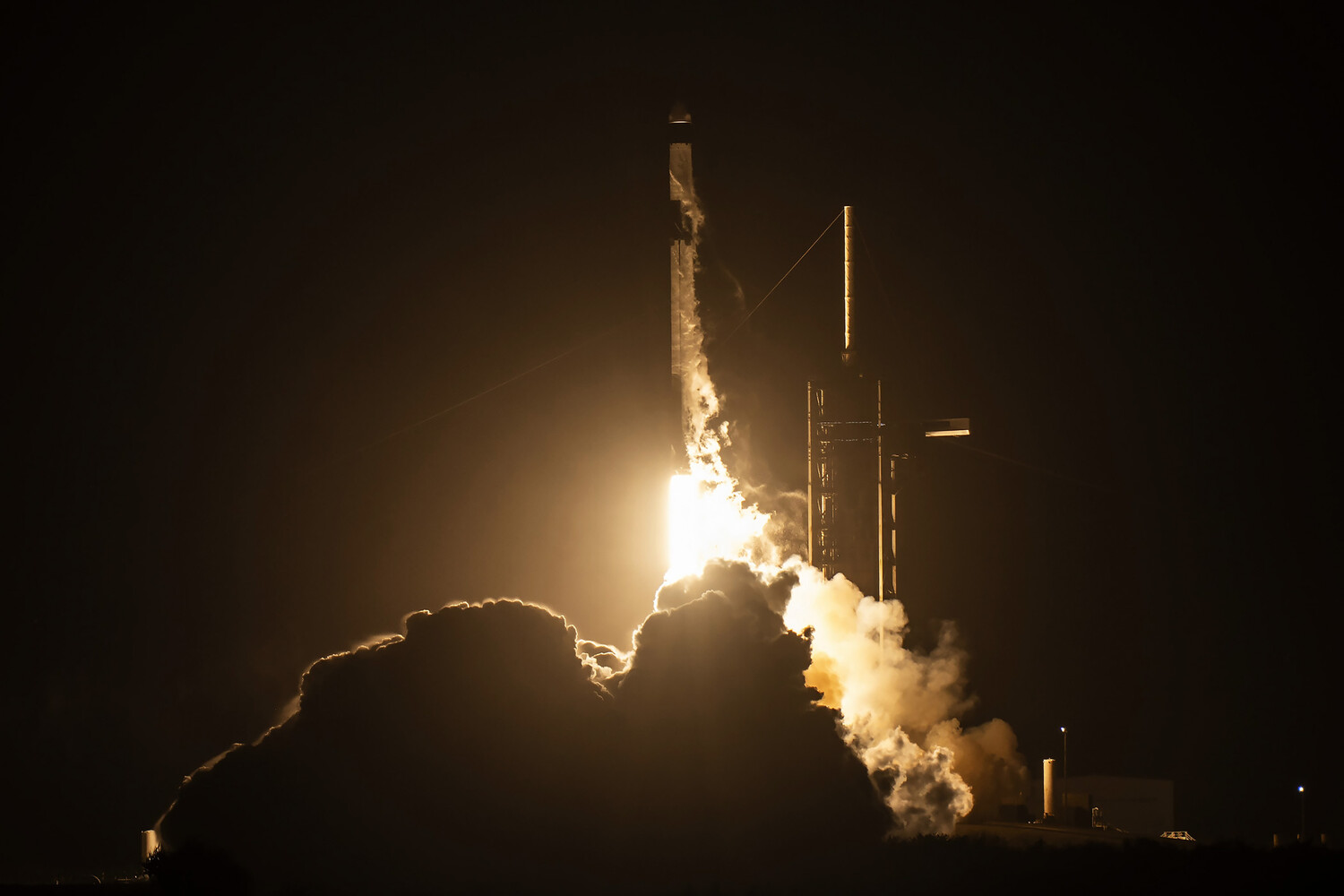
A Falcon 9 rocket has been launched into orbit with a group of 28 mini-satellites to replenish the orbital grouping of the Starlink global Internet coverage network, SpaceX has reported, "Komersant Ukrainian".
As noted, the rocket was launched from the SLC-4E launch pad at the Vandenberg Naval Base in California at 12:42 p.m. US time (23:42 p.m. Kyiv time). Approximately one hour after the satellites separate from the second stage of the launch vehicle, they will enter orbit. During this launch, the first reusable stage of the launch vehicle was used for the fourth time. It made a controlled vertical landing on the Of Course I Still Love You offshore drone platform in the Pacific Ocean.
Since May 2019, SpaceX has launched more than 10.5 thousand satellites as part of the Starlink project. Some of them have failed or fallen out of orbit, while more than 9.1 thousand satellites remain in orbit in working order. Currently, SpaceX has permission to launch 12 thousand satellites and plans to deploy more than 30 thousand devices to provide the world with fast Internet. The total investment in this project is estimated at about $10 billion.
Space Exploration Technologies Corp. better known as SpaceX is an American aerospace company located at the Starbase development center in Texas. It was founded in 2002 by businessman Elon Musk. The company has made significant progress in creating rocket engines, reusable launch vehicles, and developing satellite technology.
As a reminder, Ukraine has launched open testing of SpaceX’s Starlink Direct to Cell technology. The technology allows Kyivstar subscribers to send and receive SMS in areas with no mobile coverage.
Starlink Direct to Cell: why this technology is important
Starlink Direct to Cell can become a critical communication tool during blackouts and in hard-to-reach or frontline areas.
Thanks to the new technology, users will be able to stay connected even during long power outages, in remote villages, mountains and places where the land-based infrastructure is damaged or still being restored. This is especially important for rescuers, humanitarian missions and citizens living in frontline regions.
The technology also opens up additional opportunities for businesses – from the agricultural sector to financial companies – allowing them to maintain operations in the absence of stable coverage.
It is worth noting that Ukraine became the first country in Europe to use this system.