DeepState co-founder Pogorily spoke about working with Zaluzhny and how it differs from working with Syrsky.
28 February 18:12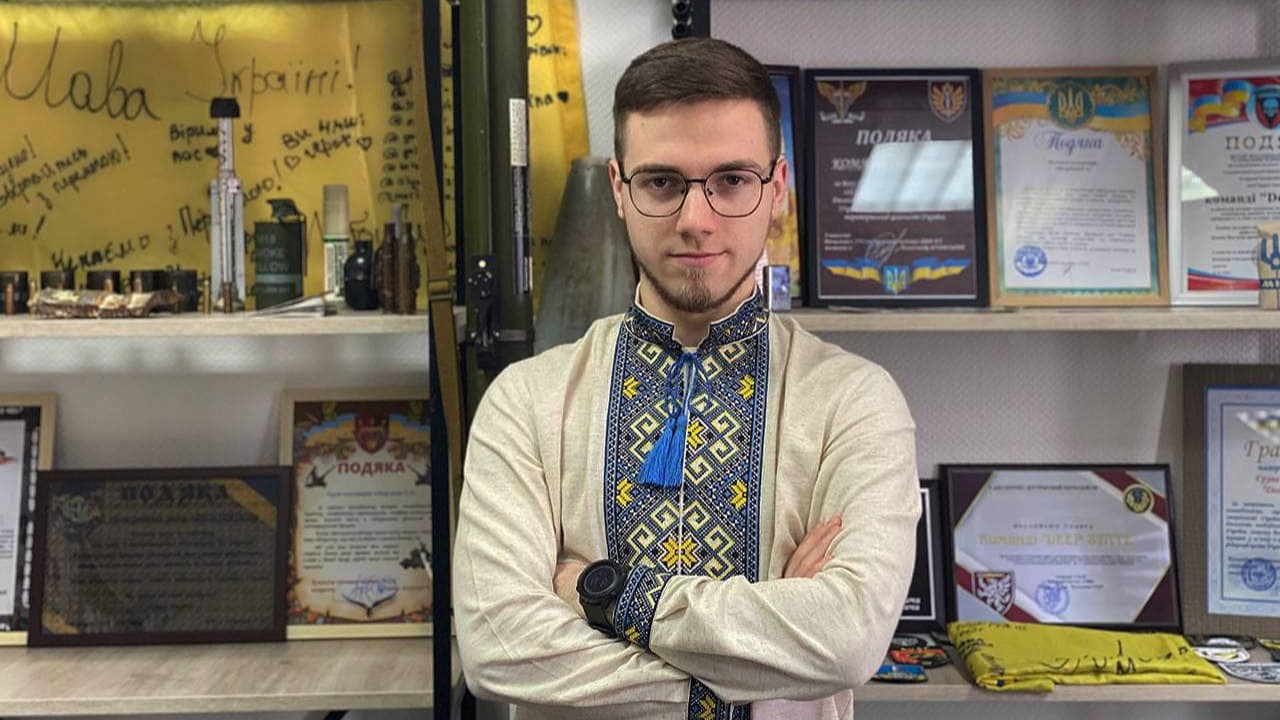
Military analyst and co-founder of DeepState Roman Pogorily commented on the YouTube channel "Komersant Ukrainian" on the issues of communication with the military leadership, the impact of the shutdown of Russian “Starlink” satellites on the front lines, and the first steps of Mikhail Fedorov as head of the Ministry of Defense.
“We didn’t have time to work with Zaluzhny.”
Responding to a question comparing the current commander-in-chief of the Armed Forces of Ukraine, Oleksandr Syrskyi, with his predecessor, Valerii Zaluzhnyi, Pogorily noted that the DeepState team had virtually no working relationship with Zaluzhnyi.
“We did not work with Valery Fedorovich. We were just getting started at the time and did not yet have such connections and influence. Therefore, we did not have time to work with him,” he explained.
The analyst emphasized that the issue of communication between the military leadership and analytical resources remains key.
Pogorily commented on the information about the disconnection of Russian “Starlink” and the possible impact of this decision on the course of hostilities. According to him, the process was complex and could not go perfectly.
“You can’t just take it and shut it down. It’s a difficult story, a complicated process. There is information that our Starlinks were also shut down—someone didn’t register on time, someone else did something else.”
At the same time, he stressed that even a temporary complication for the enemy gives an advantage.
“Even if it delays their actions for a certain period of time, it has already delayed them. There are reports from soldiers that the number of assaults has decreased and coordination has declined. Anything that disrupts the enemy, even for a short time, is positive.”
Fedorov’s first month at the Ministry of Defense
Assessing Mykhailo Fedorov’s first steps as defense minister, Pogorily urged caution in drawing conclusions. Among the positive signs, the analyst mentioned the involvement of professional advisors who had previously publicly raised problematic issues, particularly in the field of unmanned aerial vehicles. As an example, he mentioned Serhiy Sternenko, who has been actively working on FPV drones.
“These people now have the opportunity to work alongside the minister and influence processes in the army, where problems and innovations will be heard,” Pogorily said.
He also noted that Fedorov’s management experience, particularly at the Ministry of Digital Transformation, is generating positive expectations.
Roman Pogorily believes that the temporary disruption of enemy coordination due to technical limitations is already benefiting the front lines, and the new leadership of the Ministry of Defense is showing signs of a systematic approach. At the same time, he emphasizes that final assessments will take time, and the effectiveness of decisions will be determined by their practical results on the battlefield.