The Ukrnafta case is closed: Sweden’s Supreme Court has put an end to Kolomoisky’s multi-billion dollar lawsuit
7 January 21:36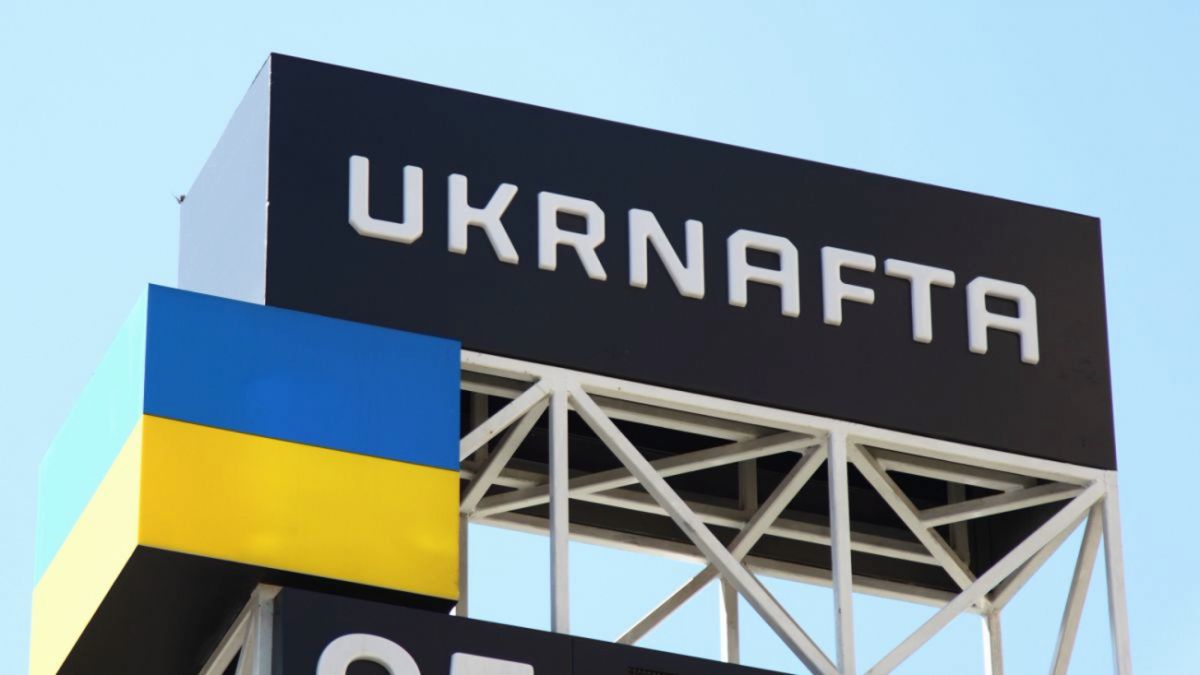
On November 21, the Swedish Supreme Court rejected the latest attempt by Cypriot companies linked to businessman Ihor Kolomoisky to seek a review of the Stockholm arbitration ruling in the Ukrnafta case . This was reported by the Ukrainian Ministry of Justice, according to "Komersant Ukrainian".
The court refused to open proceedings, which means that the arbitration decisions have become final and binding.
Who was involved in the lawsuit and what was it about?
The case involves Littop Enterprises, Bordo Management, and Bridgemont Ventures, which owned 40.1% of Ukrnafta’s shares through a Cypriot structure .
In 2015, these companies demanded more than $6 billion in compensation from the Ukrainian government and Naftogaz of Ukraine. The lawsuit concerned restrictions on the free sale of natural gas residues in Ukraine in 2006-2014.
After the Ukrainian side refused to pay compensation, the plaintiffs appealed to international arbitration in Stockholm.
Arbitration and court decisions
In February 2021, the Stockholm Arbitration Court dismissed the claim in its entirety, finding that it did not have jurisdiction to hear the case. The tribunal concluded that the plaintiffs had not made investments in the authorized capital of Ukrnafta within the meaning of the Energy Charter Treaty and therefore had no right to bring an arbitration claim against Ukraine.
In early 2025, these findings were upheld by the Svea Court of Appeal in Stockholm. The Supreme Court of Sweden remained the court of last resort, but it also refused to review the case.
Financial consequences
Following the final decision, the Cypriot companies are required to reimburse Ukraine for its legal costs, including:
- approximately $19 million in arbitration costs,
- $2.7 million in court costs,
- and approximately $550,000 in additional expenses.
This decision was one of Ukraine’s key legal victories in its long-standing international disputes with former minority shareholders of Ukrnafta.