The Kremlin’s secret strategy: what Russia is bargaining for in peace talks and what its defeat is
11 December 18:16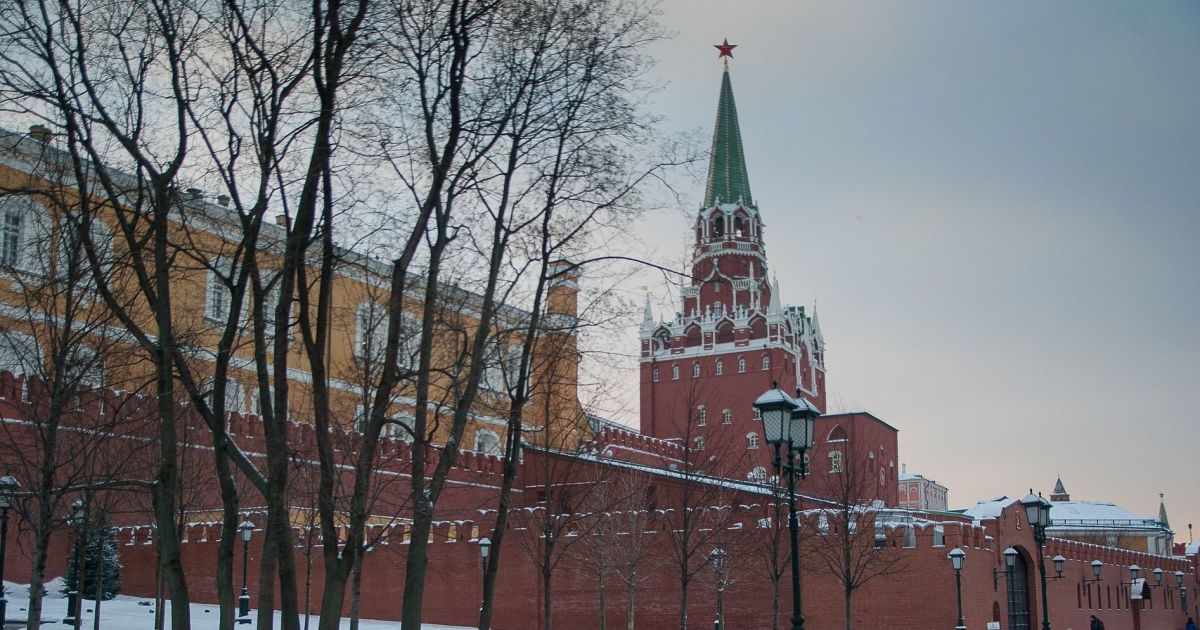 РОЗБІР ВІД
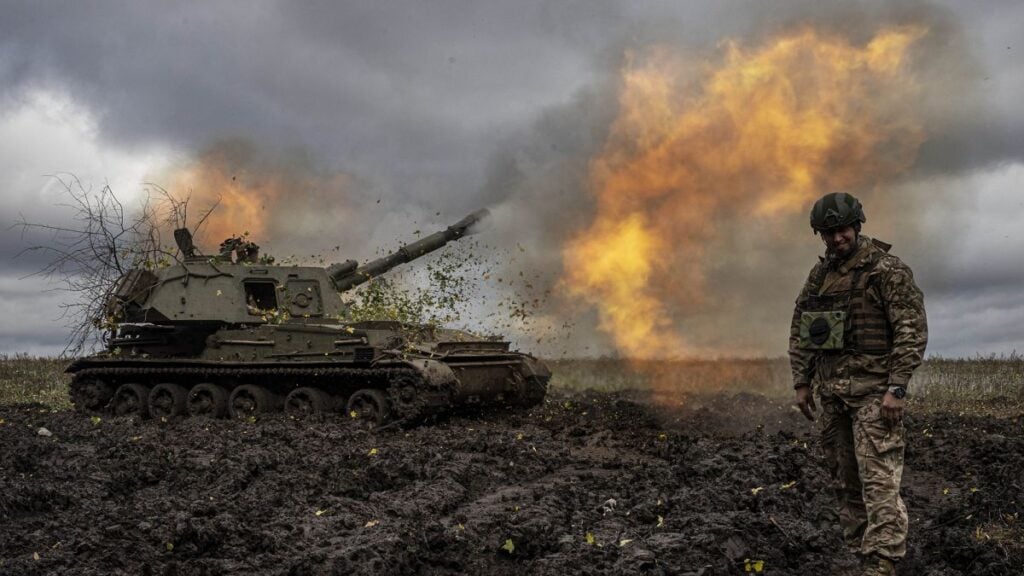
Russia is not ready to end the war, and on the diplomatic front, it is following a long-established model. Even in the face of defeat, Russia, trained by generations of diplomats, knows how to bargain for favorable terms and impose unrealistic demands.
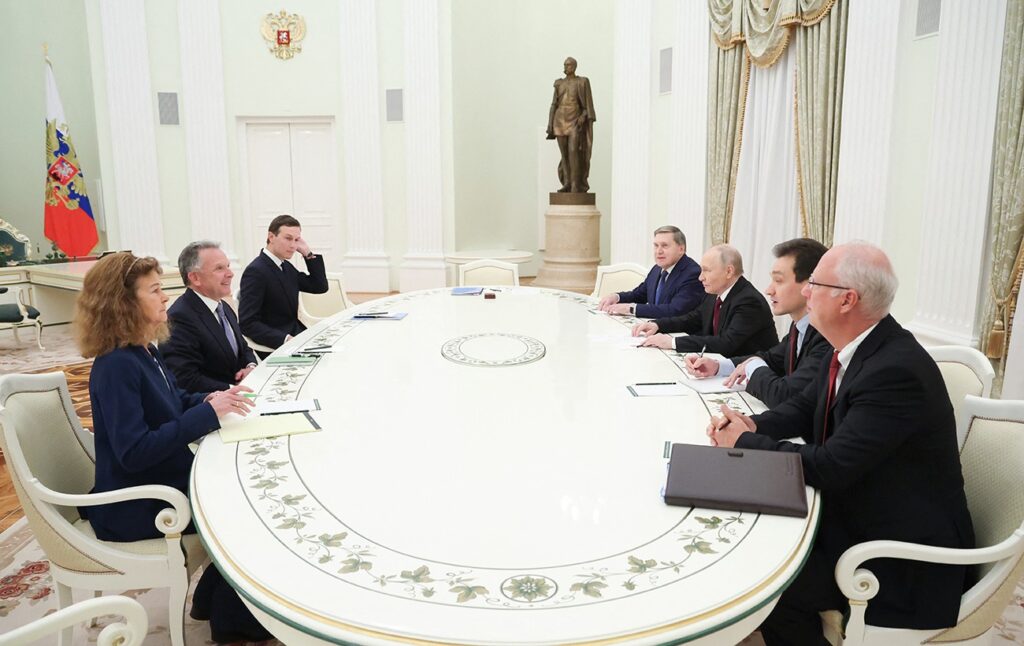
The Kremlin’s covert strategy, which has been in place since its defeat in the Russo-Japanese War of 1904-1905, demonstrates the classic “diplomacy of refusal” – insisting on its own way even when the facts show otherwise. This tactic, which helped Russia bargain for favorable terms of the Portsmouth Peace Treaty, is now manifested in attempts to dictate peaceful conditions to Ukraine that Moscow cannot actually provide at the front.
How to understand the Kremlin’s current strategy? Is Ukraine able to withstand the pressure from the West and Russia’s aggressive plans? How real is the threat of the conflict spreading to NATO countries, and why is the Alliance so active in calling for a stronger defense?
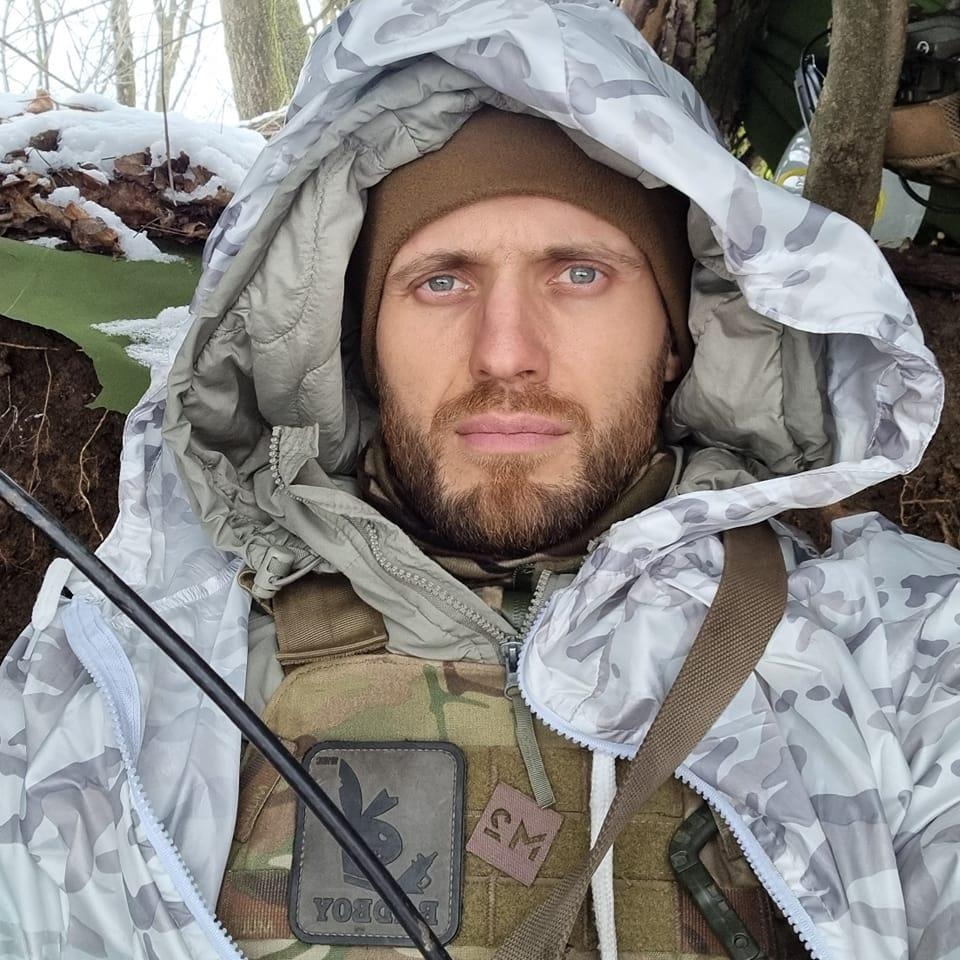
Russia is not ready to end the war, as its strategic goals far exceed its current tactical successes. Yevhen Tykhyi, an officer of the Ukrainian Defense Forces, stated this in a commentary for "Komersant Ukrainian", emphasizing: “The Kremlin continues to act according to the historically established model – refusing any compromise and denying reality, even when it is obvious.
“The Russians have achieved some success, but not even the minimum they expected. Their critical minimum is access to Moldova, a land route to Transnistria. For them, Crimea and Moldova are a launching pad for further opening ambitions for Europe and influence, respectively,” says Yevhen Tykhyi.
According to him, the Kremlin does not hide its strategic plan for further escalation: Odesa → crossing the Dnipro → Transnistria → influence on the EU.
Tykhyi emphasizes: Russia is not in a position to talk about ending the war now, and it is definitely not in a position to accept conditions that would be acceptable to Ukraine.
“To understand why Russia is not ready to end the war, one historical excursion is enough… It is the loss in the Russo-Japanese War. That’s when the tactics of their diplomacy became apparent – the diplomacy of refusing to do anything, even when obvious things are explained to them,” says Tykhyi.
According to the officer, as long as Russia retains plans for a land corridor to Moldova and influence in Europe, the war will continue, and the Kremlin will do everything to continue the offensive.
Portsmouth 1905 and Today: Why the Kremlin asks for more than it can take
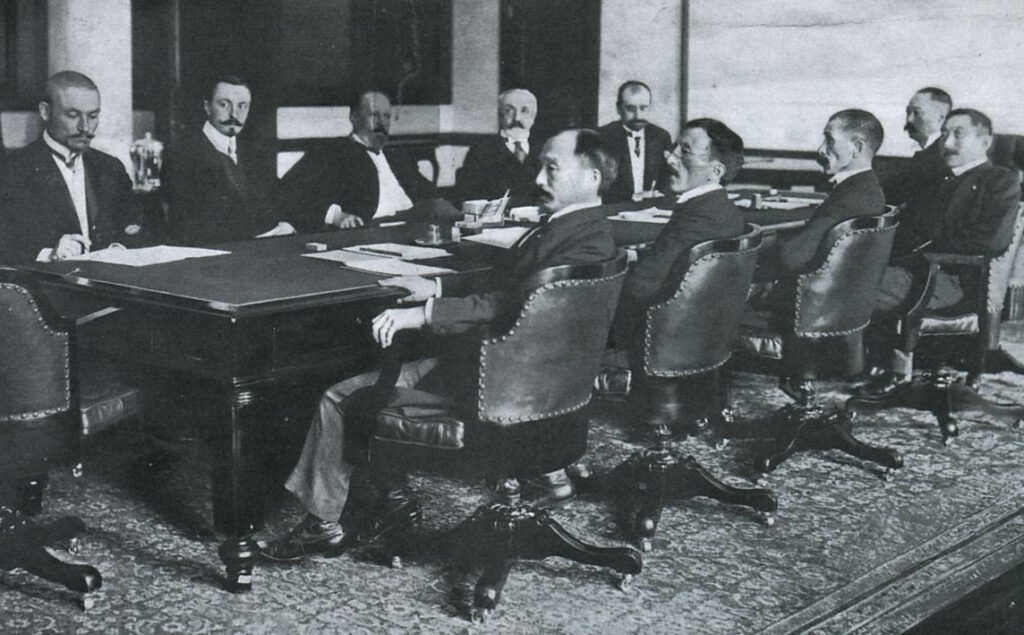
When Russia suffered a crushing defeat in the 1904-1905 war with Japan, its diplomacy faced a challenge: how to end the conflict while saving face and influence? This was the role of Sergei Witte, a Russian statesman and diplomat. He was the head of the Russian delegation at the conclusion of the 1905 Portsmouth Peace Treaty, which ended the war with Japan and set unpleasant but necessary conditions for peace. As a result of the negotiations, Moscow was forced to cede part of Sakhalin, lease rights to strategic ports and railroads, and recognize Tokyo’s sphere of influence in Korea, saving the continued existence of the empire and avoiding the complete collapse of its position in the Far East. However, Witte himself received the title of Count for the successful completion of this diplomatic mission, which, although it did not bring victory on the battlefield, saved Russia from an even greater catastrophe.
Today, in the context of the Russian-Ukrainian war, Russia finds itself in a similar position: having failed to achieve its strategic goals at the front, Moscow is still trying to dictate peaceful conditions that are favorable to it. The historical lesson of 1905 is clear: Russia is not ready to give up on issues that are fundamentally important to it, even if it has actually lost the war. Therefore, the conspiracy theories that appear in the media about discussions of recognizing Russia’s control over Crimea and part of Donbas may be quite real. It is very similar to a strategic position when a party seeks to consolidate the status quo even after significant losses.
Israeli army officer shows where to hit
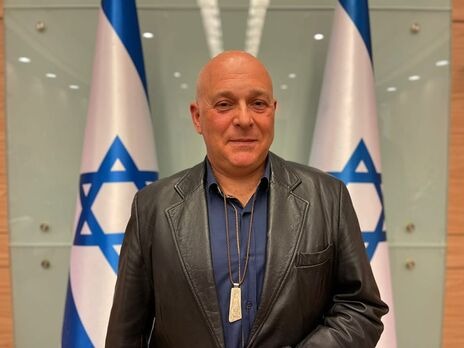
IDF reserve officer Hryhoriy Tamar said that Ukraine is able to withstand US pressure. According to him, the West did not expect that Ukraine would be able to hold the line for so long.
“When the war started, someone gave you two days, someone two weeks, someone two months. And you have been fighting for four years,” noted Tamar.
The officer specifically mentioned the key operations of the Ukrainian forces, from counter-offensives to special operations, including “Pavlinka”.
“There were many victorious pages in this war… the Russians fled, leaving their equipment behind. the “Web” is not over yet – we will hear this name again,” Tamar said.
The military also drew attention to the problems faced by Russia itself due to strikes on its oil refining infrastructure.
“In many cities it is impossible to refuel a car. You are destroying their oil refining industry – strike after strike. This will lead to the collapse of their energy system,” the officer emphasized.
In the end, Tamar called on Ukraine not to hesitate to strike critical facilities in the Russian Federation.
“If you have the opportunity, strike at Moscow, the Kremlin, Lubyanka, and the Ministry of Defense. The West understands only force, respects only force,” Hryhoriy Tamar.
NATO warns of danger
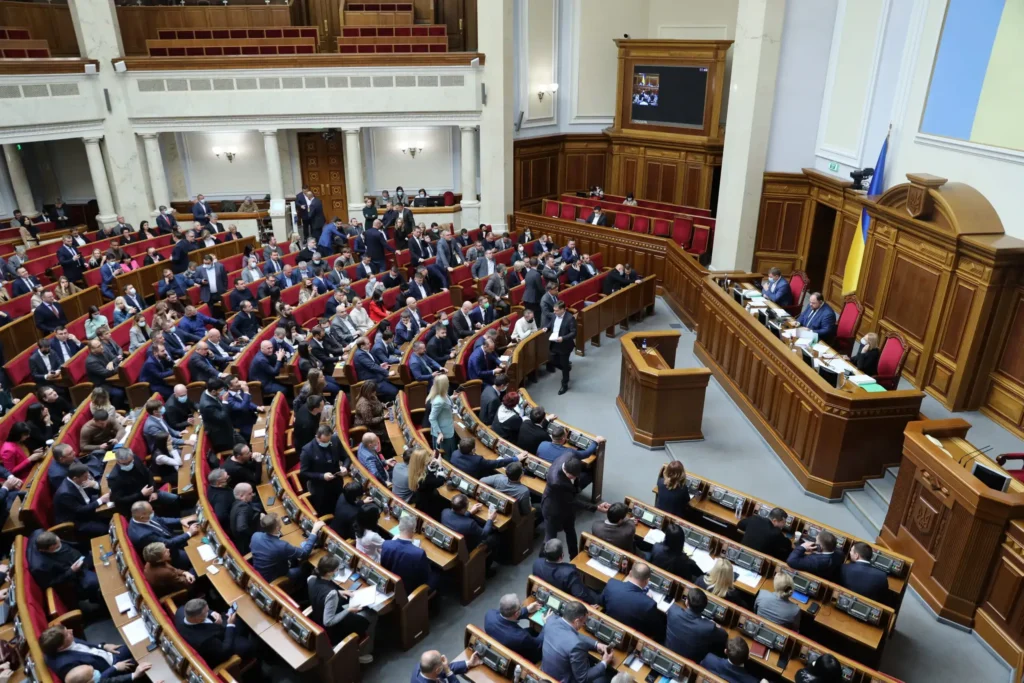
During a press conference in Berlin on December 11, NATO Secretary General Mark Rutte bluntly stated that the member states of the Alliance are under direct threat from Russia.
“We are Russia’s next target. And we are already in danger. Too many are quietly complacent, too many do not feel the urgency and believe that time is on our side. This is not the case. The time to act is now,” Mark Rutte emphasized.
Rutte noted that too many allies ignore the urgency of the threat and do not realize that the conflict in Ukraine could be repeated on their territory: “.”
The NATO Secretary General emphasized that NATO military forces should have everything they need to defend themselves, and Ukraine should have everything it needs to defend itself.
“Ukraine must have everything it needs to deter aggression and defend its country,” Rutte emphasized.
The NATO Secretary General also drew attention to the support of Russia by China and other allies, which is a “lifeline” for Russia. Without China’s support, Russia would not be able to continue the war.
NATO is calling on its allies to increase defense budgets and adopta “warrior mentality,” as the security of the entire Alliance is at stake.
The Kremlin’s current strategy shows that Russia is not ready to end the war, even in the face of military and diplomatic setbacks. It is following a model that has been developed over the centuries, insisting on unrealistic conditions and trying to bargain for its own dividends. For Ukraine, this means that the struggle will continue, and resilience and the ability to withstand Western pressure and Russia’s aggressive plans remain key. At the same time, the NATO Alliance is already warning of the threat of the conflict spreading to Europe. It emphasizes the need to strengthen the defense and support of Ukraine, which is now at the forefront not only for itself but also for the security of the entire continent.