This is how sanctions work: Russia’s shadow fleet is growing despite Western restrictions
14 October 2024 11:19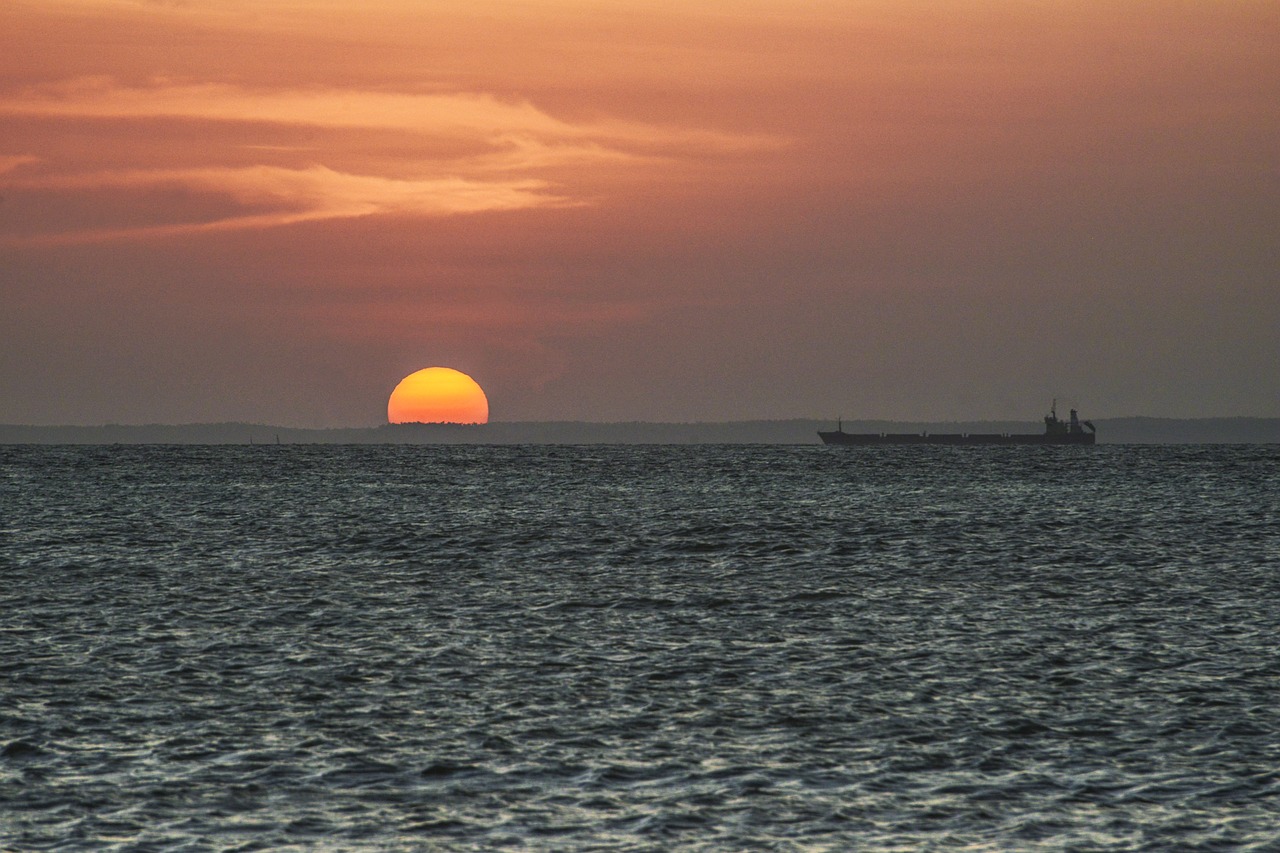
Russia has increased the capacity of its shadow oil tanker fleet by almost 70% compared to last year, despite recent restrictions on insurers and shipping companies that allow Moscow to circumvent Western sanctions. This is reported by the Financial Times with reference to a study by the Kyiv School of Economics (KSE), reports "Komersant Ukrainian"
Thus, the volume of Russian oil transported by poorly maintained and insufficiently insured tankers increased from 2.4 million barrels per day in June 2023 to 4.1 million in June 2024.
This trend comes as the United States, Canada, Japan and European allies increasingly target global insurers and shipowners in an effort to limit Moscow’s ability to generate revenue for its war in Ukraine. They have also added companies and individual vessels linked to Russia’s shadowy fleet to the sanctions list.
“The tanker sanctions have been quite effective, but the campaign to identify them has been too limited to actually deter Russia’s shadow fleet,”
– said Benjamin Hilgenstock, one of the authors of the KSE report.
He added that sanctions should be used “systematically” to enforce the requirement for adequate oil spill insurance and thereby “address the serious and urgent environmental threat posed by the shadow fleet.”
Many of these vessels regularly sail in busy European waters, including the Baltic Sea, the Danish Straits and the Strait of Gibraltar, increasing the risk of environmental disasters for the EU and neighbouring countries.
KSE proposes to create “shadow ship free” zones in European waters to mitigate these risks. Otherwise, a catastrophe is “waiting to happen on Europe’s doorstep”, the report says.
Follow us on Telegram: the main news in a nutshell
In June 2024, 70% of Russia’s marine oil was transported by the shadow fleet, which Russia spent an estimated $10 billion to create. This included 89% of all Russian crude oil shipments, most of which had been trading above the $60 per barrel price ceiling since mid-2023, and 38% of Russian refined product exports.
By creating this fleet, Moscow severed ties with the countries of the price ceiling coalition, which had been pressuring global insurance companies to comply with the sanctions regime, reducing Russia’s options to mostly domestic insurers.

This has raised significant concerns about the quality, reliability and scope of such insurance coverage. The combination of the age of the tankers – 18 years on average – and the lack of adequate insurance makes these vessels extremely dangerous, according to the KSE report.
Risks are further exacerbated by the fleet’s use of grey flag states and anonymous ownership structures. These often involve multiple intermediaries, such as British accountants and Dubai-based companies, hidden behind layers of corporate structures, as a recent Financial Times investigation revealed.
The authors of the KSE report argue that in the event of problems, European states could face costs of cleaning up their environment that reach billions of euros.
Several accidents involving shadowy vessels linked to Russia have already occurred. In March, the 15-year-old shadow tanker Andromeda Star collided with another vessel off Denmark. There was no oil spill as it was heading to Russia empty.
Over the past two years, four Russian shadow fleet vessels have experienced engine problems, including incidents in the Dardanelles and the Danish Straits.
Shadow fleet vessels used to transport oil from other sanctioned sellers have also had engine failures, highlighting maintenance issues, including even explosions. In May 2023, a 27-year-old Gabonese-flagged vessel with a capacity of 700,000 barrels used to transport Iranian oil suffered a large explosion off Indonesia. It was empty at the time.
Follow us on Telegram: the main news in a nutshell