Tesla discontinues two iconic models: Musk switches to Optimus
30 January 00:44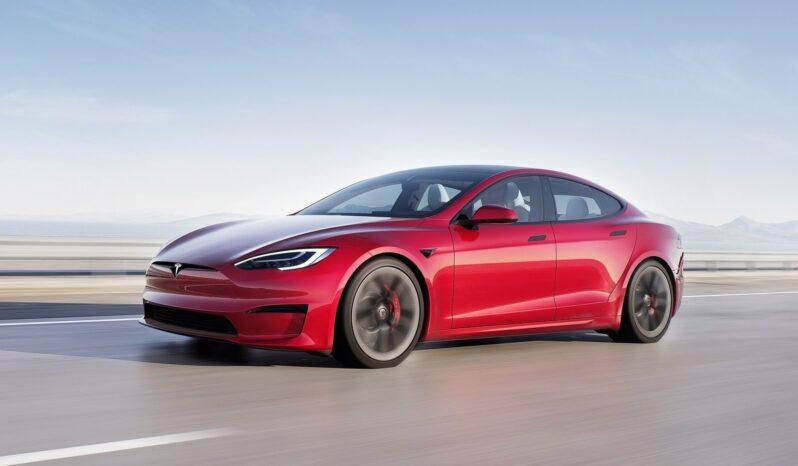
American Tesla is preparing to discontinue production of two iconic models — Model S and Model X — and refocus part of its capacity on the production of Optimus humanoid robots. This was announced by the company’s CEO, Elon Musk, during a report to investors, effectively closing an important chapter in the brand’s history, according to "Komersant Ukrainian", citing Carscoops.
What exactly is changing
According to Musk, production of the Model S and Model X in California will end next quarter, and the Fremont plant will be repurposed for the production of Optimus robots. The company plans to scale this line to 1 million robots per year in the long term.
“It’s time to bring the Model S and Model X programs to a dignified end as we move toward a future based on autonomy,” Musk explained to investors.
He stressed that support for cars already sold will continue, but the Fremont production facilities will be converted into an “Optimus factory.”
Why this is important for Tesla
Launched in 2012, the Tesla Model S proved that electric cars can be fast, prestigious, and desirable — it outperformed sports sedans and even supercars in acceleration, helping to bring EVs into the mainstream. The Tesla Model X with its “falcon wings” became the brand’s technological showcase.
But the market has changed. The Model 3 and Model Y have become the main drivers of sales, while the S and X have moved into a niche segment. Despite updates, the company has not introduced completely new generations — competition from Western and Chinese manufacturers has increased.
Betting on Optimus
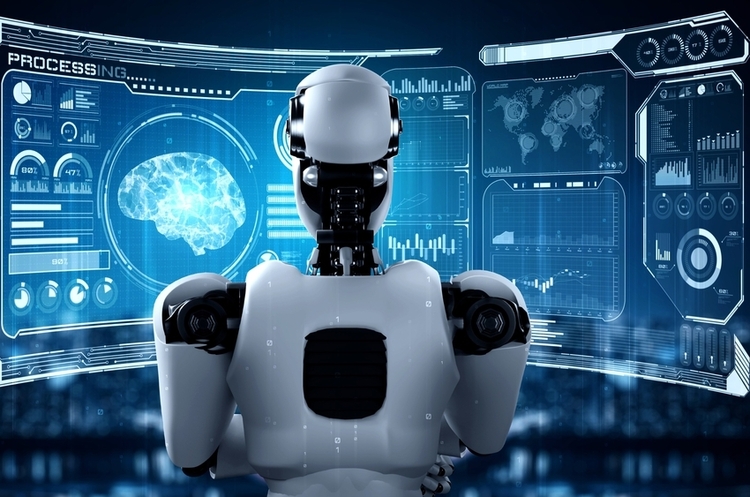
Instead of relaunching its legendary models, Tesla is making a sharp turn toward robotics. Optimus is positioned as a potentially mass-market product with a huge range of applications — from industry to services — which, according to Musk, could have a greater economic impact than cars from a decade ago.
What this means for the market
Tesla’s decision signals a strategic shift from “iron on wheels” to autonomous systems. For the industry, this means:
- increased investment in robotics and AI;
- a redistribution of capital from niche cars to scalable products;
- increased competition in the humanoid robot segment.
Read us on Telegram: important topics – without censorship