“Trading votes” in the Rada: HACC sets bail for five MPs in bribery case
1 January 19:19
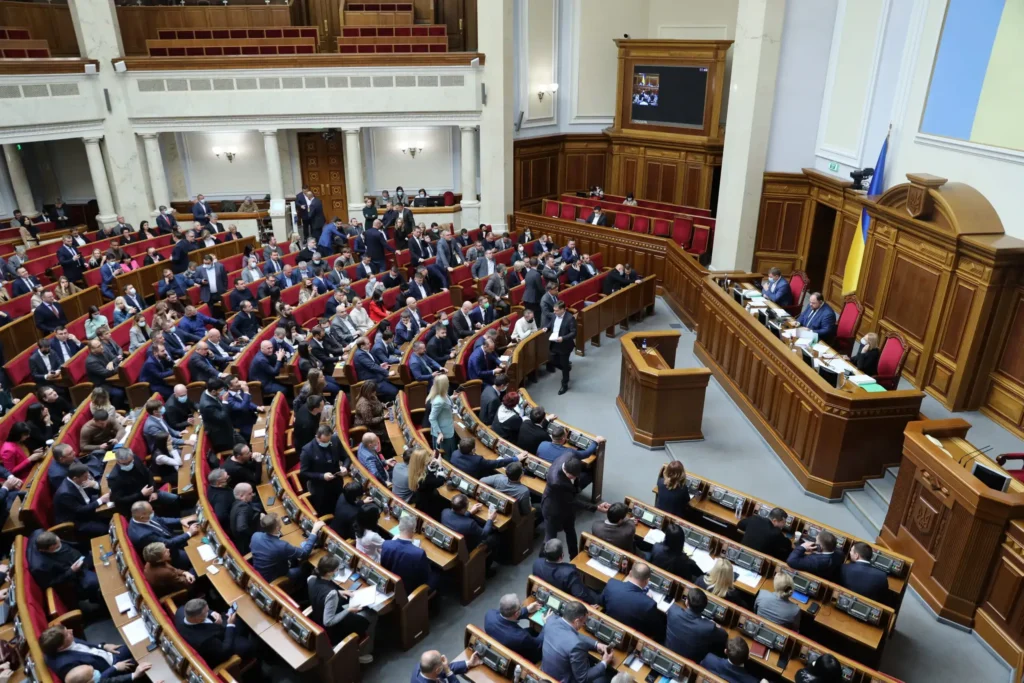
The High Anti-Corruption Court of Ukraine has imposed bail on five MPs suspected of taking bribes for voting in the Verkhovna Rada.
This was reported by the Specialized Anti-Corruption Prosecutor’s Office (SAP), "Komersant Ukrainian" reports.
Who was granted bail and what kind of bail
According to RBC-Ukraine, the following people have been notified of suspicion:
- Yevhen Pivovarov
- Igor Negulevsky
- Olga Savchenko
- Yuri Kisel
- Mykhailo Laba
The court set different bail amounts:
- uAH 40 million for one of the MPs
- 30 million UAH – for another
- uAH 20 million for two suspects
- uAH 16.6 million for the fifth suspect in the case
All the suspects are also subject to procedural obligations, including wearing electronic monitoring devices.
Closed session
When choosing a measure of restraint for MP Olha Savchenko, the court session was held in a closed session.
According to Suspilne, this request was made by SAPO prosecutor Anatoliy Rybalko, and was supported by both the suspect and her defense counsel.
“There is a need to preserve the secrecy of the investigation, as well as to ensure the safety of participants in criminal proceedings,” the prosecutor explained.
What is known about the case
on December 27, the NABU and the SAPO announced the exposure of an organized criminal group that, according to the investigation, operated inside the Verkhovna Rada and ensured that MPs received bribes for “necessary” votes.
According to law enforcement officials:
- the group’s activities were coordinated by one of the MPs;
- instructions on voting were sent in a closed group in the WhatsApp messenger;
- after the votes, MPs were systematically transferred money.
How the scheme worked
The SAPO reports that the size of the bribes depended on the so-called “voting efficiency index”. It was formed from
- the number of supported bills and resolutions;
- personal attendance of MPs at plenary sessions.
The amounts of payments, according to the investigation, ranged from $2,000 to $20,000. The funds were usually distributed on a monthly basis, at the beginning of the following month after the “tasks” were completed.
The case is being investigated by the NABU and the SAPO. If proven guilty, the suspects face criminal liability and the loss of their mandates.
It is expected that in the near future, law enforcement officers may:
- announce new suspicions,
- publish additional investigation materials,
- or file motions with the court against other defendants in the case.