Trump wants to crash global oil prices: what does this mean for Russia?
9 January 08:56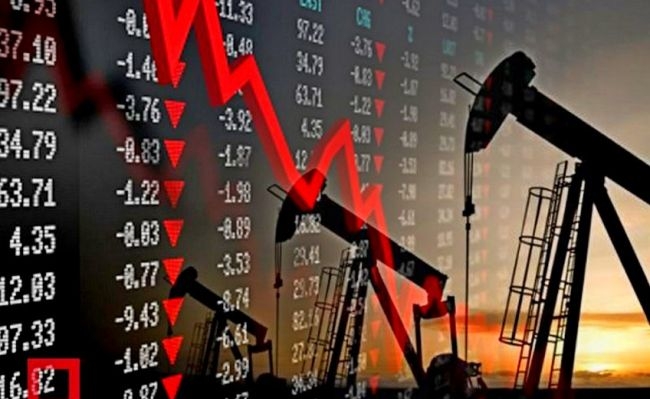
US President Donald Trump is considering a scenario of a sharp drop in global oil prices to around $50 per barrel. The key to this plan could be tighter control over the oil sector in Venezuela, which has the world’s largest oil reserves. The Wall Street Journal reports on the preparation of such a course, citing sources in the US administration, according to "Komersant Ukrainian".
How the US plans to influence the market
According to the publication, the White House is discussing mechanisms for partial control over the state-owned company Petroleos de Venezuela (PDVSA) — from participation in management to priority in the purchase and sale of extracted oil. The idea is to sharply increase supply on the global market, which will put pressure on prices.
At the same time, Washington hopes to oust competitors from the Venezuelan oil sector and expand its own exports. According to WSJ sources, this should reduce refining costs and, ultimately, gasoline and diesel prices for American consumers.
The target is $50 per barrel
Trump has repeatedly stated publicly that $50 per barrel is the optimal level for the US economy. If the American benchmark WTI falls to this level, the European Brent brand could fall to around $54 (assuming the current spread remains unchanged).
Consequences for Russia
For Russia and its budget, the scenario of falling prices looks extremely painful. According to analysts’ estimates, if Brent falls to $54, Russian Urals (taking into account the discount) could fall to around $30 per barrel. This would sharply reduce the Kremlin’s export revenues.
The situation is complicated by the International Energy Agency’s forecast: in 2026, there is expected to be an oversupply on the world market. Additional volumes from Venezuela will only increase pressure on prices.
The Kremlin’s budget risks
At the end of last year, the Urals discount to Brent reached almost $26 per barrel, and export revenues were already declining significantly.
A further decline in prices will mean less foreign exchange earnings, more difficult budget decisions, and a growing deficit.