LPG prices in the EU have soared by more than 50%: what happened and what are the consequences for Europe
2 March 22:49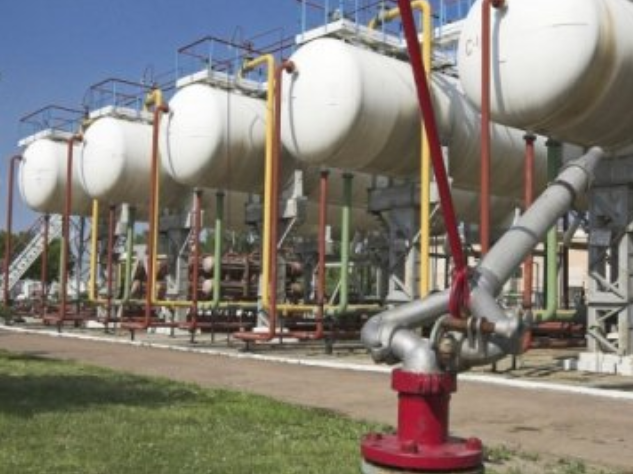
European gas futures have seen their biggest jump since the 2022 energy crisis. Liquefied natural gas (LNG) prices in the EU rose by more than 50% after QatarEnergy confirmed on March 2 that it was suspending production at the world’s largest LNG export facility. This was reported by Bloomberg, citing market data and industry sources, according to "Komersant Ukrainian".
What caused the price jump
According to Reuters, the Qatari government reported an attack by two Iranian drones on a QatarEnergy energy facility. The facility in question is the Ras Laffan industrial complex, a key center for liquefied natural gas production.
QatarEnergy’s Ras Laffan plant accounts for about one-fifth of the world’s liquefied gas supply, and this shutdown now threatens energy security around the world.
Due to the damage, the company has declared force majeure on its supply contracts.
The Strait of Hormuz — global supplies under threat
The situation has been exacerbated by the fact that tankers have largely stopped passing through the Strait of Hormuz, a strategic route through which about a fifth of the world’s oil supplies and a significant portion of LNG pass.
The virtual halt in shipping has caused panic in the energy market.
Why this affects Europe
Although the main buyers of Qatari LNG are Asian countries (over 80% of QatarEnergy’s customers), any disruptions in the Middle East automatically intensify competition for alternative supplies.
Europe currently has:
- unusually low gas reserves in storage facilities;
- a need to actively import LNG during the summer;
- dependence on the global market after the reduction of supplies from Russia.
That is why European gas futures have skyrocketed the most since 2022.
Read us on Telegram: important topics – without censorship
Parallel crisis in the oil market
The conflict in the Middle East has also affected the oil sector:
- Saudi Arabia has shut down Saudi Aramco’s Ras Tanura refinery (capacity 550,000 barrels per day);
- Most oil production in Iraqi Kurdistan has been halted.
- Israel has closed several gas fields;
- oil prices rose by 13% intraday to over $82 per barrel.
Will the 2022 energy crisis repeat itself?
Despite the sharp jump, analysts note that prices are still only at their annual high. No immediate disruptions to supplies to Europe have been reported so far.
However, if production in Qatar is halted for a long time, Europe will have to compete for alternative volumes with Asian buyers, which could drive prices up again.
Read us on Telegram: important topics – without censorship