Digital and international isolation and fear of protests: why is the Kremlin restricting Telegram?
17 March 18:32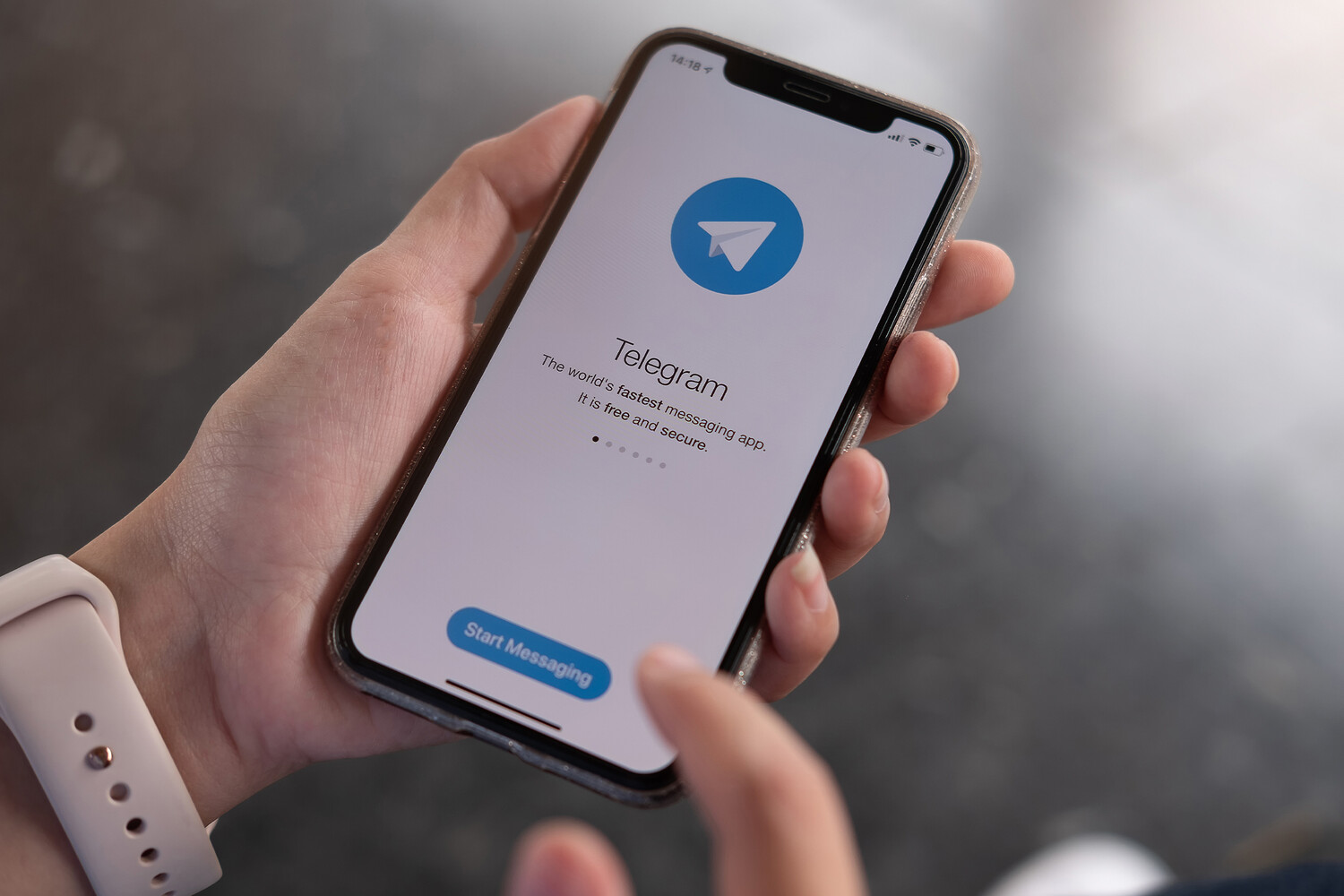
According to data from the Merilo service, on average, about 80% of requests to Telegram domains in Russia currently fail. In some federal districts, this figure reaches nearly 90%.
After the weekend of March 14–15, Russians began complaining en masse about disruptions in the popular messaging app. Whereas previously there were issues with uploading photos or videos, delays now occur even when sending text messages.
Pro-Kremlin media attribute this to the ongoing process of configuring equipment to filter internet traffic.
At the same time, according to various experts, Russia will not be able to completely block Telegram due to its technical architecture, although it may create conditions under which using the service will become virtually impossible for most people.
A political decision and fear of protests: why Russia may restrict Telegram
The restriction or possible blocking of the Telegram messenger in Russia is primarily political in nature. This opinion was expressed in an exclusive comment to [Kommersant] by military expert and co-chair of the public initiative “Prava Sprava” Dmitry Snegirev.
He believes that the key reason is, first and foremost, the Russian authorities’ fears of internal destabilization amid failures in the war against Ukraine.
“Putin personally fears social upheaval against the backdrop of the failure of the so-called ‘special military operation.’ In five years, not even the intermediate stages have been completed—in particular, control has not been established over all territories of the Luhansk and Donetsk regions,” Snegirev notes.
The situation is further complicated by Russia’s deteriorating economic situation and military setbacks. An additional factor is the upcoming elections at various levels in Russia—both parliamentary and regional.
The expert notes that while the likelihood of protests in Russia remains low, the Russian authorities are taking Telegram into account as a factor in potential civil disobedience movements.
“The Kremlin has explicitly stated that protests during the so-called ‘color revolutions’ were coordinated specifically through Telegram. They fear that protests in Russia could also be organized via this messaging app,” notes Snegirev.
He cites an example involving the Russian army, where the lack of horizontal communication and coordination between units has already led to serious losses.
“Shutting down Telegram, particularly at the front, was one of the factors behind the success of Ukrainian counteroffensive operations,” he says.
At the same time, it has long been no secret that this messenger was actively used by Russian intelligence agencies, in particular, to communicate with their network of agents abroad.
A Blow to Propaganda
Another important aspect is the information component. Telegram has long remained a key channel for spreading Russian narratives.
“The main efforts of Russian propaganda were concentrated precisely on Telegram. Through it, influence was exerted not only on Ukraine but also on post-Soviet countries, Europe, and the U.S.,” Snegirev emphasizes.
Restricting access to the messenger, he says, could significantly weaken the position of Russian propaganda on the international stage.
Which countries are also blocking messaging apps
Global practices regarding the restriction of messaging apps, particularly Telegram, show a clear trend that has already spread to a number of countries. At the same time, approaches to blocking vary—from a complete ban to targeted or temporary restrictions.
The most striking example is China, where the popular messaging app is blocked as part of a large-scale internet censorship system.
A similar situation is observed in Iran—there, access to Telegram is regularly blocked, especially during mass protests.
In Pakistan, the service is also unavailable at the ISP level, while in Vietnam and Somalia, authorities justify the restrictions as part of efforts to combat illegal content or security threats.
In some countries, blocks are situational and are applied primarily during times of crisis.
For example, during protests or political instability, access to Telegram was restricted in Cuba, Thailand, and Kenya.
A similar approach was used in Azerbaijan during military operations. In other words, the messenger is viewed as a tool for mobilizing society, which the authorities seek to temporarily neutralize.
In Ukraine, Telegram remains accessible to the public, but its use is restricted on government and military devices for security reasons and to prevent cyberattacks from Russia.
Other popular messaging apps, such as WhatsApp, Signal, or Facebook Messenger, are also subject to blocking in various countries. This points to a broader global trend: an increasing number of states are attempting to control not individual services, but digital communication as a whole.
Telegram occupies a special place in this system, combining the functions of private communication and a public information platform, which makes it both popular and difficult to fully control.