Turkish tomatoes and cucumbers will rise in price: why their price will rise on July 22
16 July 2025 20:40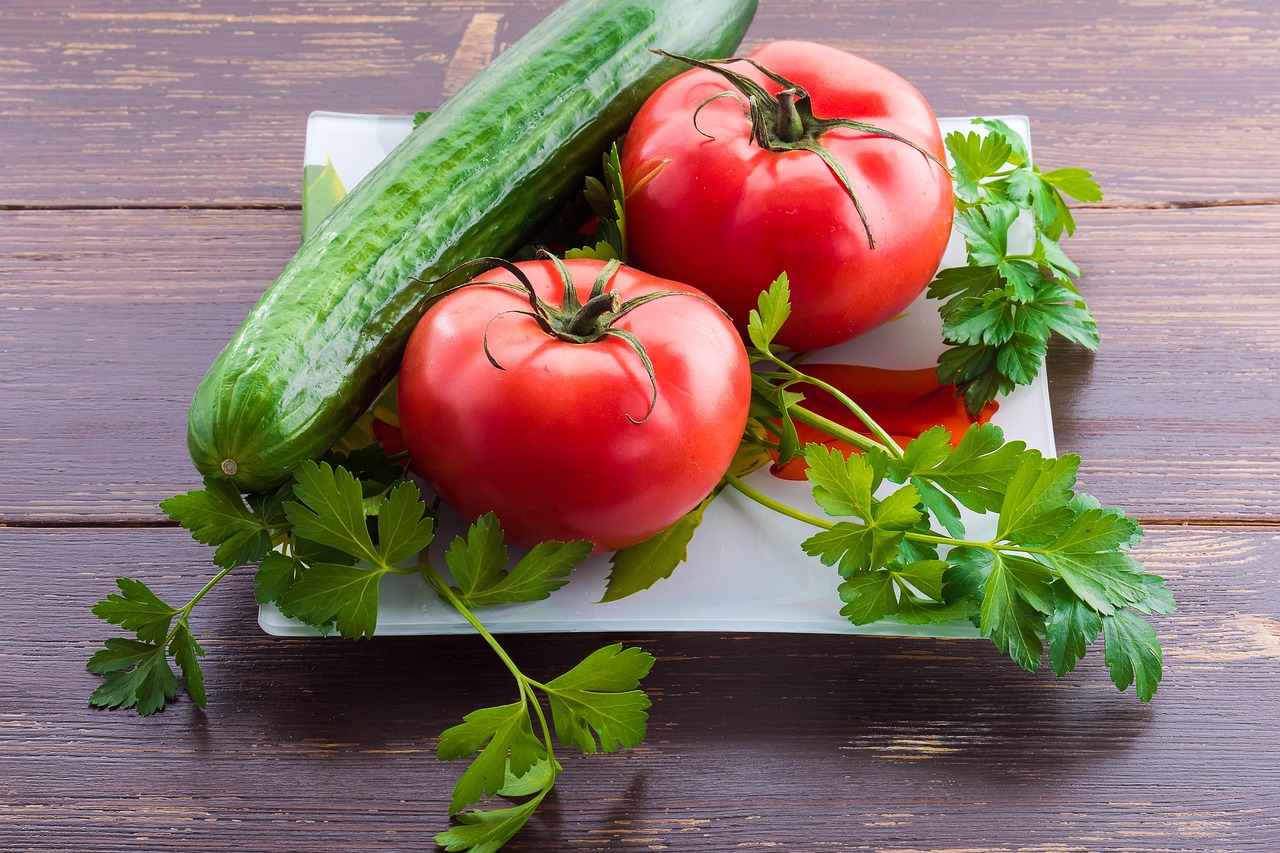
The Interdepartmental Commission on International Trade under the Cabinet of Ministers of Ukraine has decided to impose anti-dumping duties on imports of fresh cucumbers and tomatoes from Turkey. According to a report published in the Uryadovy Courier, the new rates will range from 20.1% to 22.8% for cucumbers and 25% to 26.9% for tomatoes. The duty will be valid for five years, starting on July 22, 2025, reports "Komersant Ukrainian".
These steps were preceded by an investigation initiated by nine domestic greenhouse farms. Among them are Agroconcern, Uman Greenhouse Plant, Teplychnyi Plant, and others. As a result, analysts recorded a significant increase in imports of cucumbers – by 89% compared to domestic production – and a drop in domestic production by 40%, sales by 38%, and exports by 93%.
A similar negative trend was observed in the sales and export of tomatoes. There was a 20% drop in sales and a 95% drop in exports.
That is why the duties were set taking into account the scale of dumping and amount to 69-70% of the margin.
In addition to economic losses, farmers pointed to the inability to compete with Turkish producers, who receive significant government support, access to cheap energy and subsidies. In the context of war and energy restrictions, Ukrainian farmers did not have equal opportunities and were under increasing pressure.
Legal grounds and format of application
The duty is applied to the value of imported goods. It can be paid in cash or through a deposit/debt obligation. Ukrainian experts emphasize that imports without a certificate of origin under free trade agreements will be subject to the maximum rate. Such measures are in line with the international rules of the World Trade Organization.
Lawyers explain that the duty is not a sanction but a mechanism for leveling market conditions. Similar measures are widely used in the EU and the US to protect domestic producers from unfair competition.
Policy resonance and the Government’s position
Vitaliy Koval, Minister of Agrarian Policy, explained that the duties are aimed at protecting domestic producers and creating a level playing field in the market.
This decision is not against anyone, it is about fair competition. Ukrainian farmers should invest in development, modernization and create new jobs,” Koval said.
The head of the relevant ministry also emphasized that the Government takes into account the inflationary risks associated with the likely increase in vegetable prices and develops compensatory mechanisms. In particular, this includes temporary subsidies for socially vulnerable groups.
Key figures and market background
According to the State Customs Service, in 2024, the volume of imports of fresh tomatoes from Turkey amounted to 73,048 tons, and cucumbers – 21,853 tons, which corresponded to 81% and 89% of imports in these categories. The total value of Turkish vegetables on the Ukrainian market reached $109.3 million ($81.5 million for tomatoes, $27.8 million for cucumbers). Year-on-year, imports increased by 31.2% compared to 2021, while exports almost halved.
Economists and agricultural policy analysts say that in the short and medium term, the duty will give greenhouse growers more room to plan investments, improve product quality, and develop the market. However, this may lead to higher prices for field vegetables for consumers, as imports will become more expensive, but the government is focusing on the balance between the interests of farmers and end users.
The anti-dumping measures to impose duties on Turkish cucumbers and tomatoes are a support for preserving the domestic vegetable industry as an investment-attractive and viable sector. Restricting imports is a direct defense against dumping, which is already affecting the industry, and a step towards creating conditions for the stable development of Ukrainian producers. At the same time, it is important to monitor the impact of these measures on the market, prices, and investment attractiveness in the agricultural sector.
Читайте нас у Telegram: головні новини коротко