China announces creation of “Starlink killer”: what is known about microwave weapons
6 February 04:03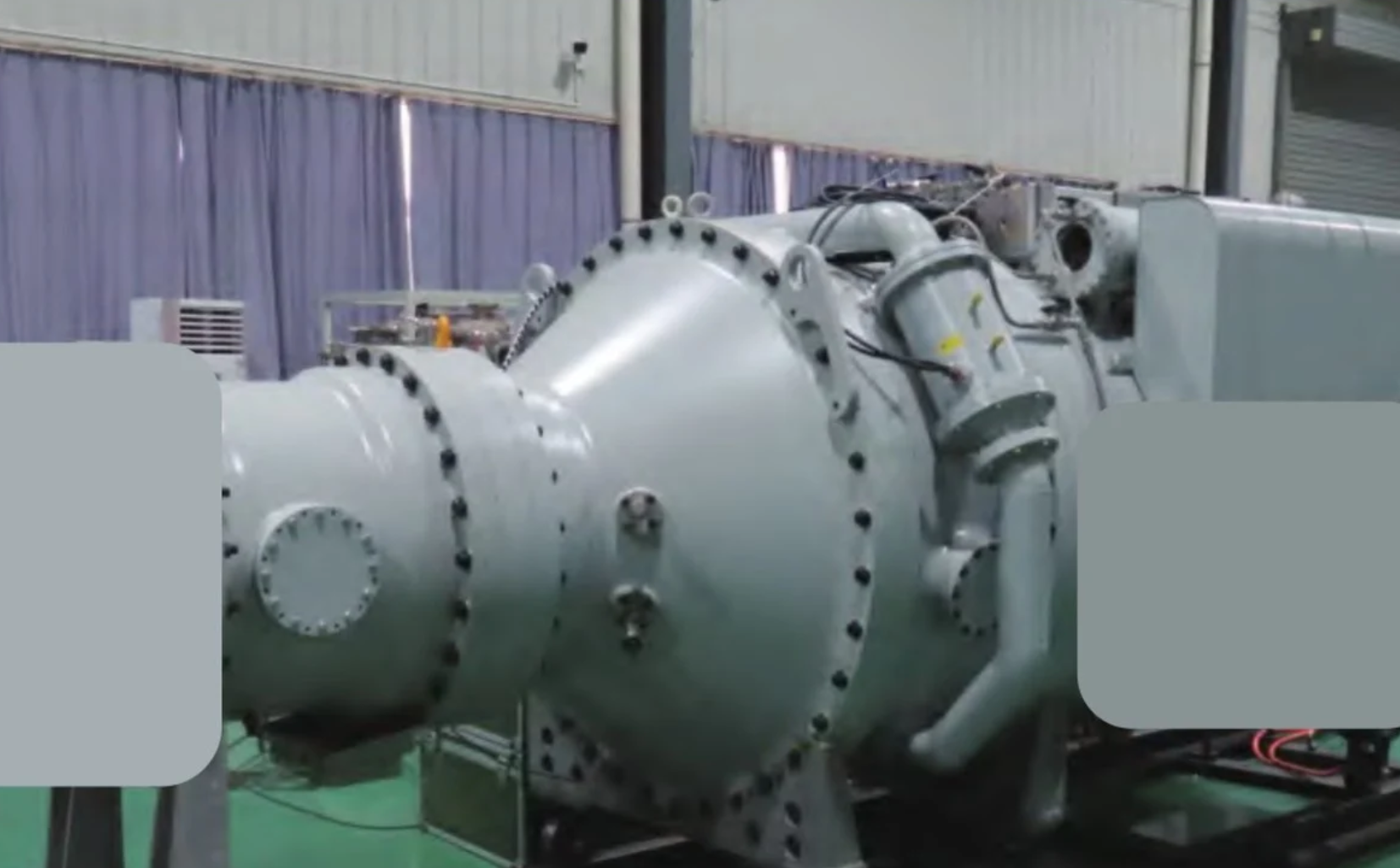
A new high-powered microwave system has been unveiled in China, which, according to its developers, is capable of disabling satellites in low Earth orbit, including Starlink devices. This was reported by the South China Morning Post, according to "Komersant Ukrainian".
What is TPG1000Cs
The development is called TPG1000Cs and was created by specialists from the Northwest Institute of Nuclear Technology, based in Xi’an, Shaanxi Province.
According to published data, the system has a peak power of up to 20 gigawatts and is capable of generating microwave pulses continuously for one minute — a figure that significantly exceeds the capabilities of previously known analogues.
How this development differs from previous ones
Until now, ground-based microwave systems could operate continuously for no more than 2–3 seconds. In contrast, according to the developers, the TPG1000Cs is capable of:
- emit up to 3,000 high-energy pulses per cycle;
- create electromagnetic overloads that disrupt the operation of satellite electronics;
- potentially disable or damage satellites in low Earth orbit.
That is why the system is already being called a potential threat to satellite communications, navigation, and observation constellations.
Mobility and deployment options
Another feature of the TPG1000Cs is its relatively compact size for a weapon of this class:
length — about 4 meters;
weight — approximately 5 tons.
This allows the installation to be placed:
- on trucks;
- on military ships;
- on aircraft platforms;
- theoretically — even on orbital vehicles.
The greatest threat — in space
The publication notes that if the TPG1000Cs are deployed directly in space, their effectiveness could increase significantly. In this case, the “invisible strikes” of microwave weapons will become more difficult to detect and intercept, and the response time will be minimal.
Experts warn that the emergence of such systems could accelerate the militarization of space and create new risks for civilian and military satellite networks around the world.