Critical gas pipelines and cities in Russia are at risk: what is the reason?
10 December 2025 22:40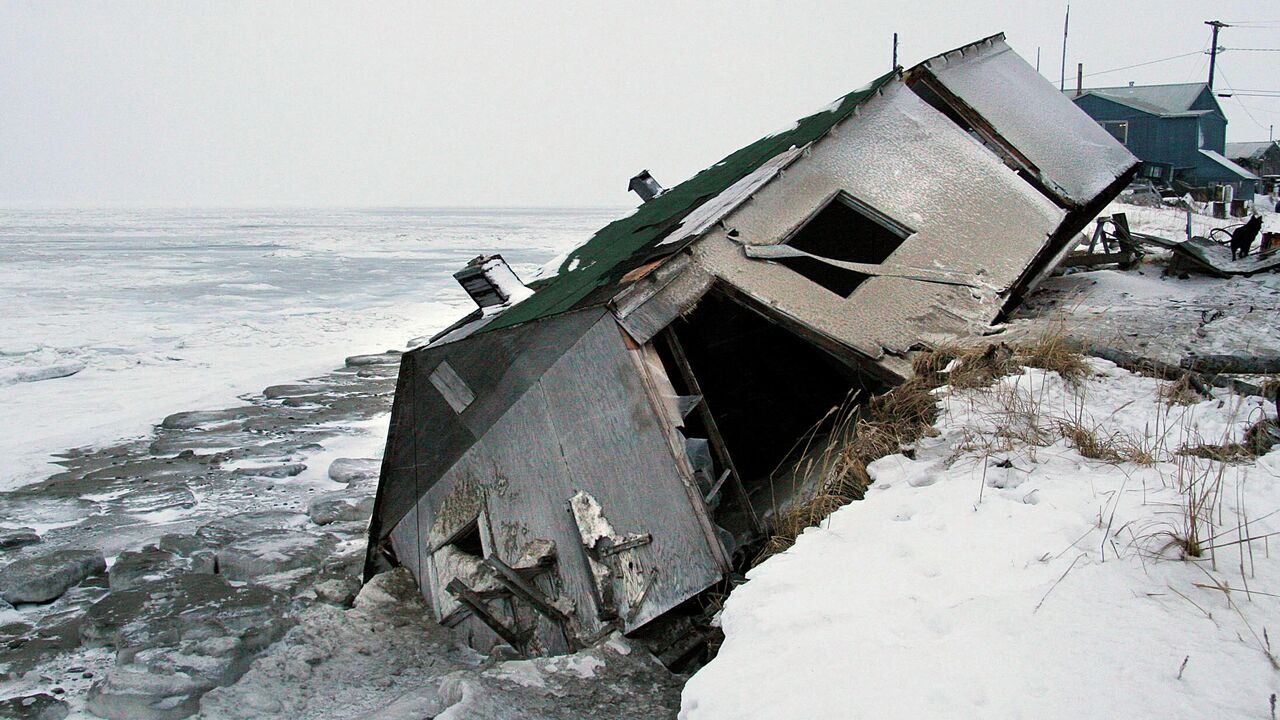
Over the past 30 years, the depth of seasonal thawing of permafrost in Russia has increased from 45 to 70 cm, which has deformed more than 40% of the built environment and jeopardized critical infrastructure in the Arctic regions. It is these regions, where destruction is currently taking place, that generate a significant portion of Russia’s GDP and exports. This was reported by the Foreign Intelligence Service of Ukraine, "Komersant Ukrainian" reports.
Critical risk zone
The increase in the depth of permafrost thawing in Russia is occurring in key regions for the economy, where the main centers of oil, gas, nickel and diamond production are concentrated. Permafrost covers 65% of the territory of the Russian Federation and covers such major cities as Vorkuta, Norilsk, Yakutsk and Magadan.
The Russian Arctic regions account for more than half of the total Arctic territory. They generate 10% of Russia’s GDP and 20% of its exports.
These regions produce 90% of natural gas, 18% of oil, 90% of nickel and cobalt, 60% of copper, and 100% of diamonds.
Scale of infrastructure destruction
The destructive effects of permafrost melting are a direct result of the “short-sightedness” of Soviet and Russian engineers who designed infrastructure based on the stability of frozen ground.
More than 40% of buildings in the permafrost zone are already deformed.
The worst situation is in Vorkuta (80%) and Magadan (55%).
There are 1,260 km of gas mains and thousands of kilometers of highways at risk.
Demographic and financial consequences
According to the Foreign Intelligence Service of Ukraine, thawing permafrost causes not only infrastructure but also long-term demographic and financial losses.
It is predicted that by 2050, the population of the permafrost areas will decrease by 61% compared to 2017 and will amount to only 1.7 million people.
The Russian economy is already losing trillions of rubles due to thawing permafrost and an increase in the number of extreme natural events.
This situation demonstrates that environmental changes pose a direct and significant threat to the critical raw material base that finances the Russian economy and war.