A Russian tanker under sanctions caught fire in the Mediterranean Sea: what is known
4 March 00:51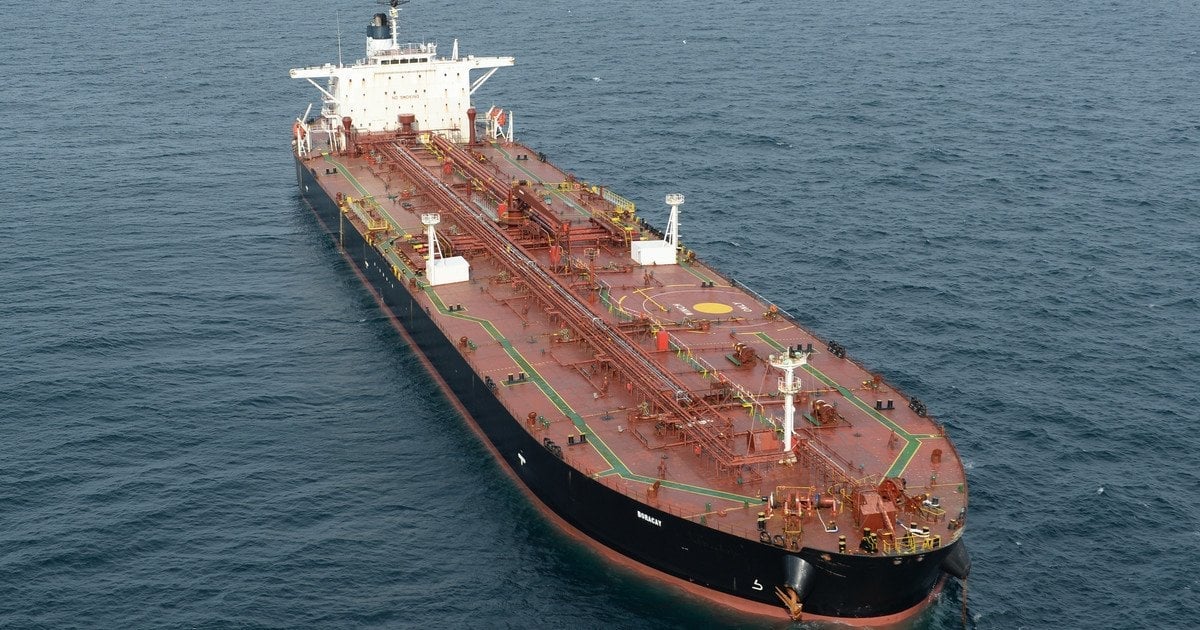
A tanker flying the Russian flag, Arctic Metagaz, which was transporting liquefied natural gas, caught fire in the Mediterranean Sea. The ship is under US and UK sanctions. This was reported by Reuters, according to "Komersant Ukrainian".
According to sources in the field of maritime security, the fire occurred near the coast of Malta, and the crew members were later found in a lifeboat in the search and rescue area near Libya.
What is known about the incident
According to sources, the fire on the Arctic Metagaz tanker occurred in the Mediterranean Sea on March 3. The ship is under US and UK sanctions.
According to the MarineTraffic vessel tracking system, the tanker’s last recorded position was off the coast of Malta on Monday.
The Maltese Armed Forces reported that they received a distress signal from the ship and were able to locate it.
Where is the crew?
During the search and rescue operation, the sailors were found in a lifeboat within the Libyan search and rescue area.
A statement from the Maltese military said:
“During search operations in the Libyan SAR area, survivors were found in a lifeboat. All crew members were on board the boat and were safe.”
No official information has been released about the condition of the ship itself or the extent of the fire.
The theory of a possible attack
One source in the field of maritime security suggested that the tanker may have been attacked by a maritime drone. The source noted that Ukraine may have been involved in the incident, but no evidence was provided to support this version.
The Security Service of Ukraine has not yet commented on these reports.
Reaction from Russia
The ship’s operator, LLC SMP Techmanagement, Russian liquefied gas producer Novatek, and the Russian Ministry of Transport have not yet responded to journalists’ inquiries about the situation.
What is the Russian Federation’s “shadow fleet”?
The shadow fleet is a network of old oil tankers with anonymous owners that Russia uses to circumvent Western sanctions and oil price caps. Such vessels often lack proper insurance and disable identification systems, posing significant environmental risks to the countries whose coasts they sail past.
It should be noted that the European Union and the Group of Seven (G7) countries have recently increased pressure on the Russian tanker fleet. Earlier, a number of European countries, including Denmark, announced their intention to restrict the passage of questionable vessels through their territorial waters due to the threat of oil spills and the financing of Russia’s military aggression.
20th package of EU sanctions
On the eve of the anniversary of the full-scale invasion of Ukraine, the European Commission presented a draft of the 20th package of sanctions against Russia. The main goal of the new restrictions, presented on February 6, is to increase pressure on the Kremlin’s key sources of income – the energy and financial sectors. The package was planned to be officially approved by the symbolic date of February 24 to demonstrate the EU’s unity in supporting Ukraine.
The fight against circumvention of the oil embargo occupies a central place in the document. The European Commission proposes to introduce a total ban on the provision of any maritime services for the transportation of Russian oil. Special attention is paid to the “shadow fleet”: the list of sanctioned vessels is planned to be expanded to 640 units, significantly limiting their maintenance and logistical support.
Despite Brussels’ decisive stance, heated discussions continue within the European Union. Some member states are calling for certain provisions of the package to be softened, fearing economic consequences. The most controversial provisions are those concerning sanctions against foreign ports and banking institutions in third countries which, according to intelligence reports, are helping Moscow to circumvent oil price restrictions.