Insect larvae have been added to food in the European Union
10 February 2025 21:47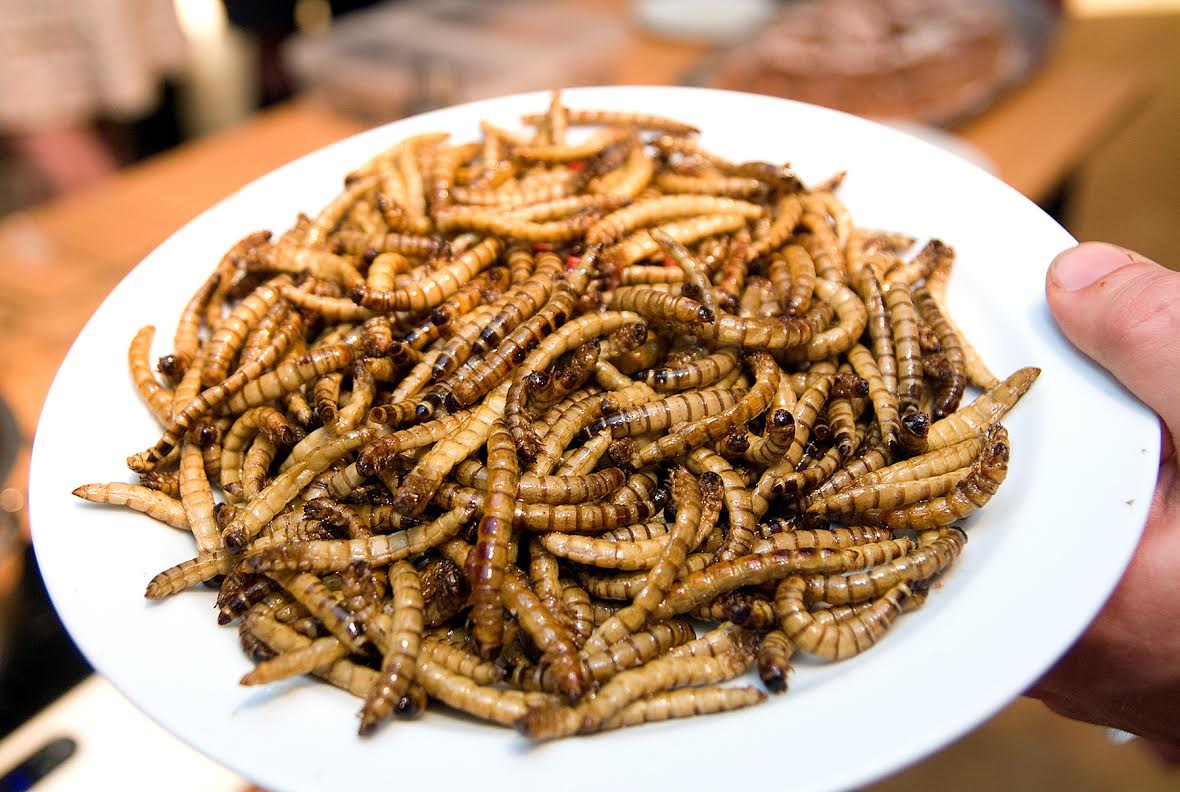
Starting today, Europe will add larvae to products including bread, cheese, jams, pasta, baked goods, and sauces. This was reported by "Komersant Ukrainian" with reference to Eunews.
The media outlet says that after approving the use of meal of migratory locusts, small flour worms, and house crickets in recent years, Brussels has “opened” the doors of EU supermarkets to the larvae of the large flour beetle (Tenebrio molitor), known as the yellow flour worm.
This move is aimed at expanding protein sources and increasing the sustainability of food systems.
Authorized products and labeling requirements
Larvae powder can be added to breads, cheeses, jams and pasta. Manufacturers are required to indicate the presence of this ingredient on the packaging so that consumers can make informed choices.
What preceded it
An amendment to the EU Implementing Regulation (2017/2470) allows the placing on the market of UV-treated whole Tenebrio molitor larvae powder, adding it to the list of new foods.
The French company Nutri’Earth submitted an application to Brussels more than five years ago.
In the summer of 2023, the European Food Safety Authority (EFSA) issued a scientific opinion: UV-treated whole larvae powder of Tenebrio molitor is safe under the proposed conditions and levels of use. This means that it can be used in bread and buns, cakes, pasta, processed potato products, cheeses and dairy products, as well as fruit and vegetable compotes intended for the general public.
on January 15, 2024, the European Parliament’s Committee on the Environment, Health and Safety (ENVI) rejected a proposal by French conservative Laurence Trochu to block the approval of yellow beetle meal by 39 votes to none. On the sidelines of the vote, ENVI committee member Silvia Sardone criticized the leftists, who, in her opinion, are guilty of “putting the interests of multinational corporations above the interests of consumers and food safety.”
According to the newspaper, the European Commission itself has significantly accelerated the inclusion of edible insects in European food culture as alternative sources of protein. The breakthrough was caused by a simple equation: growing demand for food in the face of declining agricultural yields.
EFSA has more than 10 applications for evaluation of food products derived from edible insects on its desk. These include products such as whole, blanched and dried black soldier fly larvae flour (Hermetia illucens larvae), honey bee drones’ nest (Apis mellifera pupae males), whole house cricket (Acheta domesticus) powder, protein-rich flour from fresh larvae of the flour moth (Tenebrio molitor), protein powders from the larvae of the small flour worm (Alphitobius diaperinus), which are already at the stage of risk assessment.
It is not yet known how long it will take EFSA experts to formulate their verdict.
Safety and scientific assessment
The European Food Safety Authority (EFSA) has recognized the larvae powder as safe under the established conditions of use. This decision is based on rigorous scientific assessments confirming that there are no risks to human health.
Outlook
The introduction of larvae powder into food products opens up new opportunities for the food industry, allowing for the creation of products with a higher protein content and a lower carbon footprint. However, it is necessary to take into account the cultural sensitivities of consumers and ensure transparency of information about the composition of products.
Читайте нас у Telegram: головні новини коротко