A blow to Russia’s oil revenues: Canada has expanded sanctions against the Russian fleet
27 March 01:26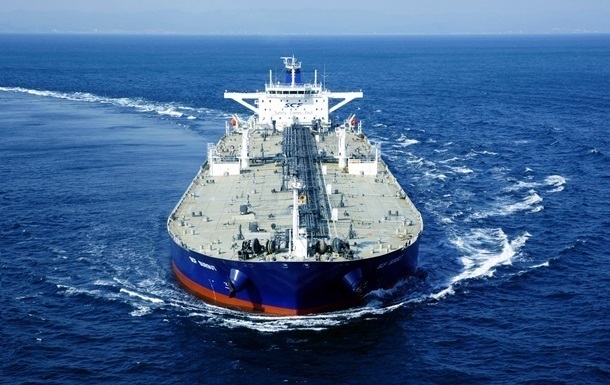
Canada has announced an expansion of sanctions against Russia and imposed restrictions on another 100 vessels of the so-called “shadow fleet” used to circumvent oil sanctions. In total, more than 600 such vessels are now subject to Canadian restrictions. This was reported by the Canadian government, according to "Komersant Ukrainian"
What is known about the new sanctions
The decision was announced by Canadian Foreign Minister Anita Anand during a meeting of foreign ministers from the Group of Seven (G7) countries.
As noted by the Canadian government, the new restrictions apply to tankers that Russia uses to transport oil and other goods in circumvention of international sanctions.
According to Anand, the sanctions policy is aimed at increasing pressure on Russia and supporting Ukraine.
She emphasized that Canada will continue to coordinate its actions with allies to limit the Kremlin’s financial ability to continue the war.
What is Russia’s “shadow fleet”?
The “shadow fleet” refers to a network of old or specially acquired tankers that Russia uses to circumvent oil export restrictions.
Such vessels often:
- change their flags of registration;
- use complex ownership structures;
- turn off tracking systems;
- transship oil on the high seas;
- operate through intermediaries.
It is these vessels that allow Russia to partially retain revenue from energy exports despite sanctions.
How many vessels are already under sanctions
Since the start of Russia’s full-scale invasion of Ukraine, Canada has already imposed restrictions on over 600 vessels linked to Russian trade.
Additionally, since 2014, Canadian sanctions have been imposed on over 3,400 individuals and entities involved in the aggression against Ukraine.
Why sanctions against the fleet are important
Restrictions on tankers are considered one of the most effective tools of sanctions pressure, as oil exports remain the main source of revenue for the Russian budget.
The goal of such measures is to:
- to reduce Russia’s oil revenues;
- to limit funding for the war;
- complicate export logistics;
- increase Russia’s transportation costs.
Additional restrictions on Russian oil
In February 2026, Canada also updated its mechanism for capping prices on Russian oil to align its actions with those of its G7 and European Union partners.
This involves tightening enforcement of the so-called “price cap” on Russian oil.
Why sanctions continue to expand
Western countries are gradually tightening sanctions to block the circumvention schemes that Russia actively uses.
In particular, the new restrictions are aimed specifically at the infrastructure that helps Russia adapt to the sanctions.
What does this mean for Ukraine
The expansion of sanctions against the Russian energy sector is part of international support for Ukraine.
Such decisions are intended to:
- weaken Russia’s economic capabilities;
- reduce funding for military operations;
- increase international pressure;
- demonstrate the unity of Ukraine’s allies.
Experts note that the pressure from sanctions has a cumulative effect and its impact is felt gradually as costs to the Russian economy rise.
Read us on Telegram: important topics – without censorship