Ukraine will gain new opportunities through the “Vertical Gas Corridor”: what is known
30 March 22:45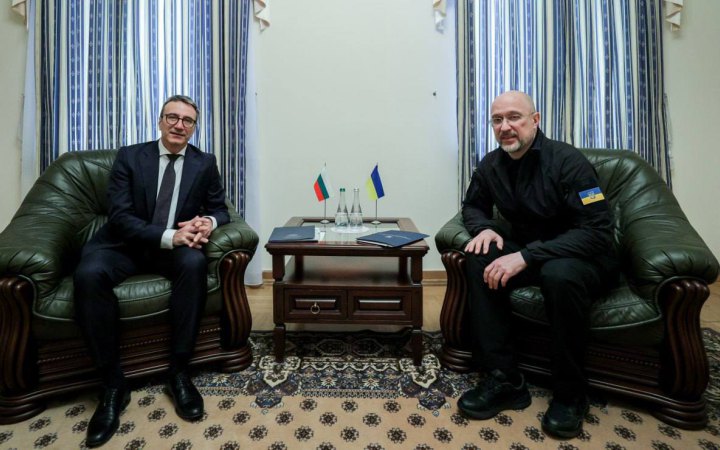
Ukraine and Bulgaria have agreed to deepen cooperation in the energy sector. During the Ukrainian-Bulgarian intergovernmental consultations in Kyiv, the parties discussed humanitarian aid for the Ukrainian power grid, the development of the “Vertical Gas Corridor,” reverse gas supplies via the Trans-Balkan route, as well as new areas of cooperation in oil refining and nuclear energy. This was reported by the Ministry of Energy of Ukraine, according to "Komersant Ukrainian"
What is known about the negotiations between Ukraine and Bulgaria
Intergovernmental Ukrainian-Bulgarian consultations took place in Kyiv, attended by Ukrainian Energy Minister Denys Shmyhal. He also held a separate meeting with Bulgarian Energy Minister Traicho Traikov.
The main topic of the talks was strengthening bilateral cooperation in the energy sector against the backdrop of the war, Russia’s ongoing attacks on Ukrainian infrastructure, and the need to prepare for the upcoming heating season.
What assistance is Bulgaria preparing for Ukraine
The Ukrainian side thanked Bulgaria for preparing a humanitarian aid package. It is expected to include energy equipment necessary for the repair of Ukrainian energy facilities.
The Ministry of Energy emphasizes that such support will be crucial for restoring the power grid and preparing for the fall and winter.
In essence, this is practical assistance that can strengthen the resilience of Ukraine’s energy sector following Russian shelling.
What is the “Vertical Gas Corridor” and why is it important for Ukraine
The parties paid special attention to the development of the “Vertical Gas Corridor.” The Ministry of Energy noted that extending this route through Bulgarian territory opens up access for Ukraine to additional gas volumes from the Mediterranean region.
This is important for several reasons:
- Ukraine can diversify its gas supply sources;
- new opportunities for cooperation with European partners are emerging;
- the role of Ukrainian underground gas storage facilities is increasing;
- the country’s energy security is strengthened.
Thus, the “Vertical Gas Corridor” is viewed not only as a logistics route but also as a strategic element of Ukraine’s energy integration with Europe.
Why the Trans-Balkan Route Is Important
Another important issue has been support for the resumption of gas supplies via the Trans-Balkan route in reverse mode.
This means that gas can be supplied via a route that was not previously used as the primary one for Ukraine. This approach expands import options and makes the system less dependent on individual routes or markets.
The Ministry of Energy emphasized that these are concrete decisions that are already strengthening Ukraine’s energy resilience.
What other areas of cooperation were discussed
In addition to the gas issue and humanitarian aid, the parties outlined other promising areas of cooperation.
Among them:
- potential cooperation with Naftogaz regarding oil refining at a Bulgarian refinery;
- exchange of expertise in the field of nuclear energy;
- further cooperation in phasing out Russian energy resources and technologies.
Why Ukraine’s experience in nuclear energy is important for Bulgaria
The Ministry of Energy emphasized that Ukraine already has successful examples of cooperation with Westinghouse regarding the transition away from Russian nuclear fuel.
This experience could be useful for partners who also seek to reduce their dependence on Russian nuclear technologies.
Against the backdrop of European efforts to strengthen energy independence and reduce Russia’s influence, such cooperation takes on not only economic but also geopolitical significance.
What the Agreements Between Ukraine and Bulgaria Mean
Strengthening the energy partnership with Bulgaria means several important things for Ukraine:
- additional opportunities for the repair of energy facilities;
- diversification of gas supply sources;
- strengthening energy security;
- new joint projects in the oil, gas, and nuclear sectors;
- deeper integration with European energy infrastructure.