Ukrainian children returning from Europe remain out of sight of state educational policy, – Violetta Dvornikova
22 September 2025 18:41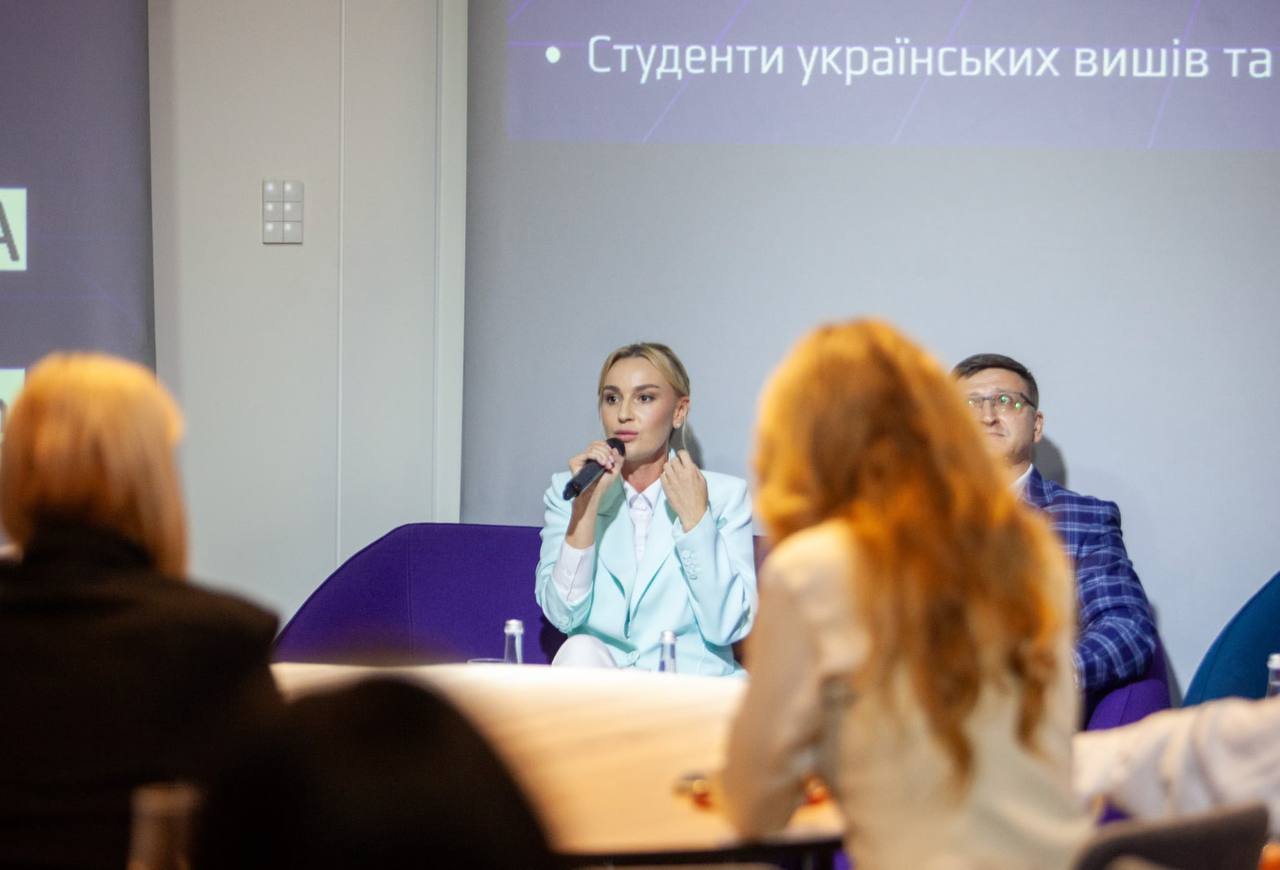
Ukrainian teenagers who studied abroad during the war and are now returning home have found themselves outside of Ukraine’s educational system.
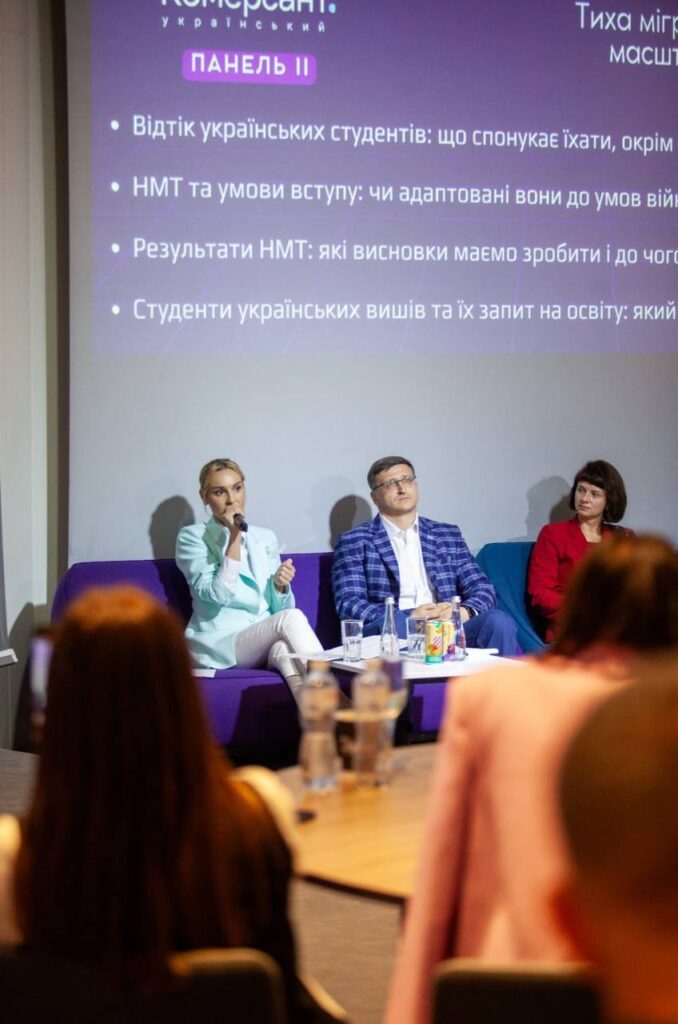
This opinion was expressed by Violetta Dvornikova, head of the European Women’s Association of Ukraine, during the forum for educators and employers “You can’t keep young people – you have to let them go” organized by "Komersant Ukrainian".
“Those boys and girls who graduate from high school abroad are left out of the picture. It is a very dangerous prejudice to think that they do not want to return. Families return to Ukraine, often even to the frontline regions, precisely because children want to go home – to school, to their friends, to their environment,” she emphasized.
According to the International Organization for Migration, as of the beginning of 2024, 1.1 million children have already returned to their homes after being displaced within or outside the country.
However, according to Dvornikova, these children face serious gaps in education and risk being left behind in Ukrainian universities. In particular, children returning from abroad often fail the National Multisubject Test (NMT).
“Even if educators disagree with me, it is the rules of admission to Ukrainian universities that are not adapted to the conditions of war that give our children motives to go abroad or not to return,” said the panelist.
She reminded that in the first year of NMT there was no threshold score, which allowed thousands of applicants to enter Ukrainian universities.
According to her, when making decisions about the format of the NMT and the level of difficulty of the tasks, educators should be more loyal to young people who can still return home, otherwise Ukraine will lose even more future professionals and a whole generation of children.
It should be reminded that Ukrainian children who were forced to study abroad due to the war are returning home, but most of them do not have special adaptation programs at schools and are left out of the state educational policy, said Violetta Dvornikova, head of the European Women’s Association of Ukraine.