“Slowdown” instead of ban: Russia changes tactics for controlling messengers
10 February 15:07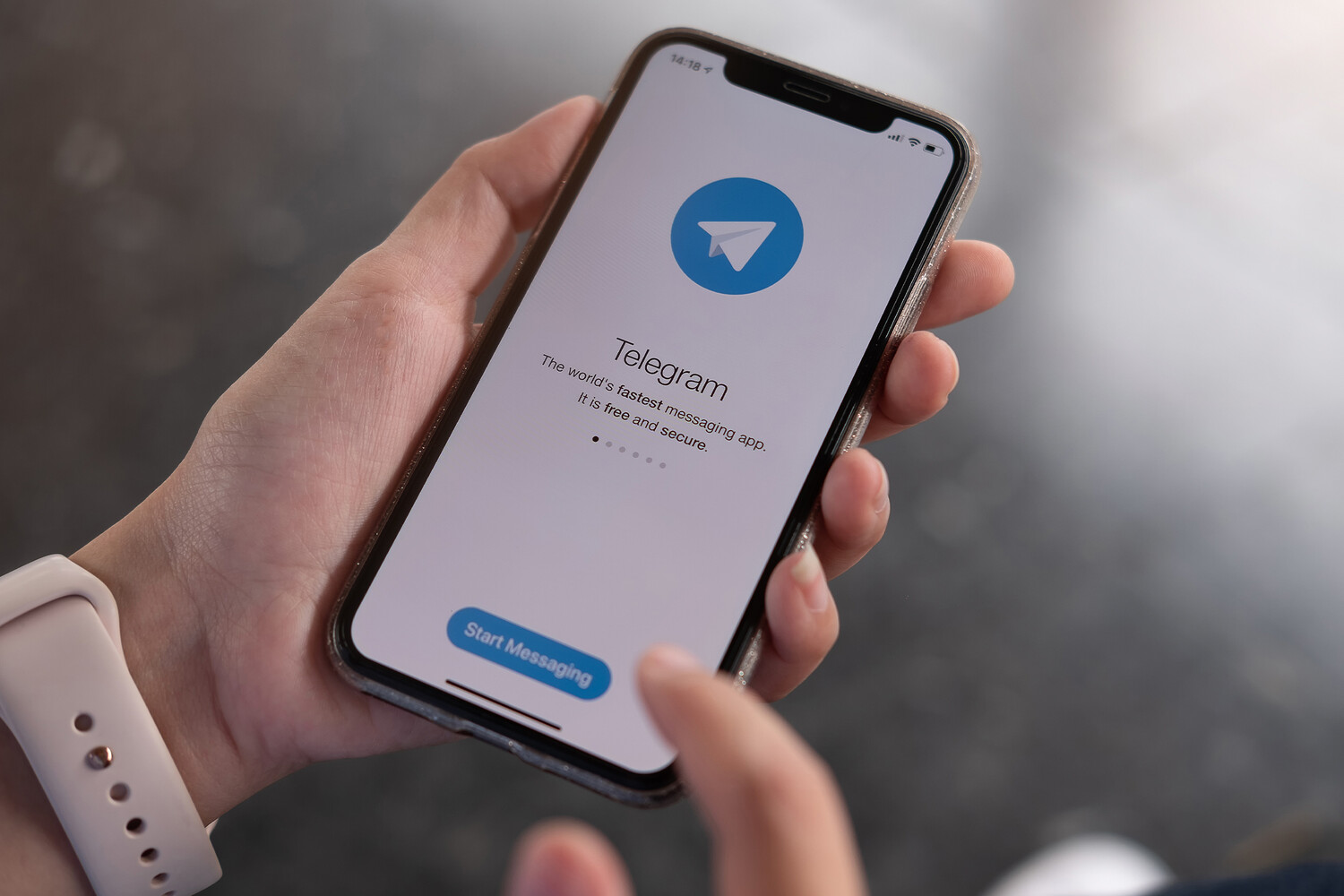
Problems with access to the Telegram messenger have begun in Russia—users have been complaining about service interruptions for the second day in a row. Russian media attribute this to the actions of the state regulator Roskomnadzor.
The propaganda outlet RBC reported on possible partial restrictions on Telegram, citing sources in the telecommunications industry, according to Komersant.
According to two sources, the regulator plans to begin measures to “slow down” the service on Tuesday, February 10. Another source claims that such measures are already being implemented.
The independent publication Meduza reports that users in Russia have been complaining for several days about Telegram’s unstable performance, including delays in message delivery and connection problems.
What does “slowing down” mean?
This is not the first time that the Russian authorities have used the tactic of so-called “slowing down” services. This does not mean a complete block, but rather an artificial reduction in data transfer speed, which makes the platform unstable and less convenient to use.
Previously, this mechanism was used against other online services, including social networks and video hosting sites, without a formal announcement of a ban.
Why Telegram is under pressure again
Officially, the Russian authorities explain the restrictions as a fight against fraud, extremism, and “recruitment.” Telegram remains one of the few large platforms in Russia where there is relative freedom of information dissemination, in particular through anonymous channels and the absence of strict moderation by the state.
At the same time, the messenger is widely used by independent media and opposition figures, as well as government agencies and pro-government bloggers.
Telegram’s position
Telegram has previously rejected accusations of cooperation with Russian special services. Following an investigation by the publication Vazhnye Istorii, the company stated that no third party has access to the messenger’s servers and that user data is not transferred to state authorities.
At the time of publication, there were no official statements from Telegram regarding new disruptions in Russia.
What to expect next
The “slowdown” may be an intermediate stage between normal regulation and stricter restrictions. This strategy allows the authorities to avoid a sharp public backlash while gradually reducing the accessibility of undesirable platforms.