Russian government extends ban on gasoline exports
29 December 2025 02:09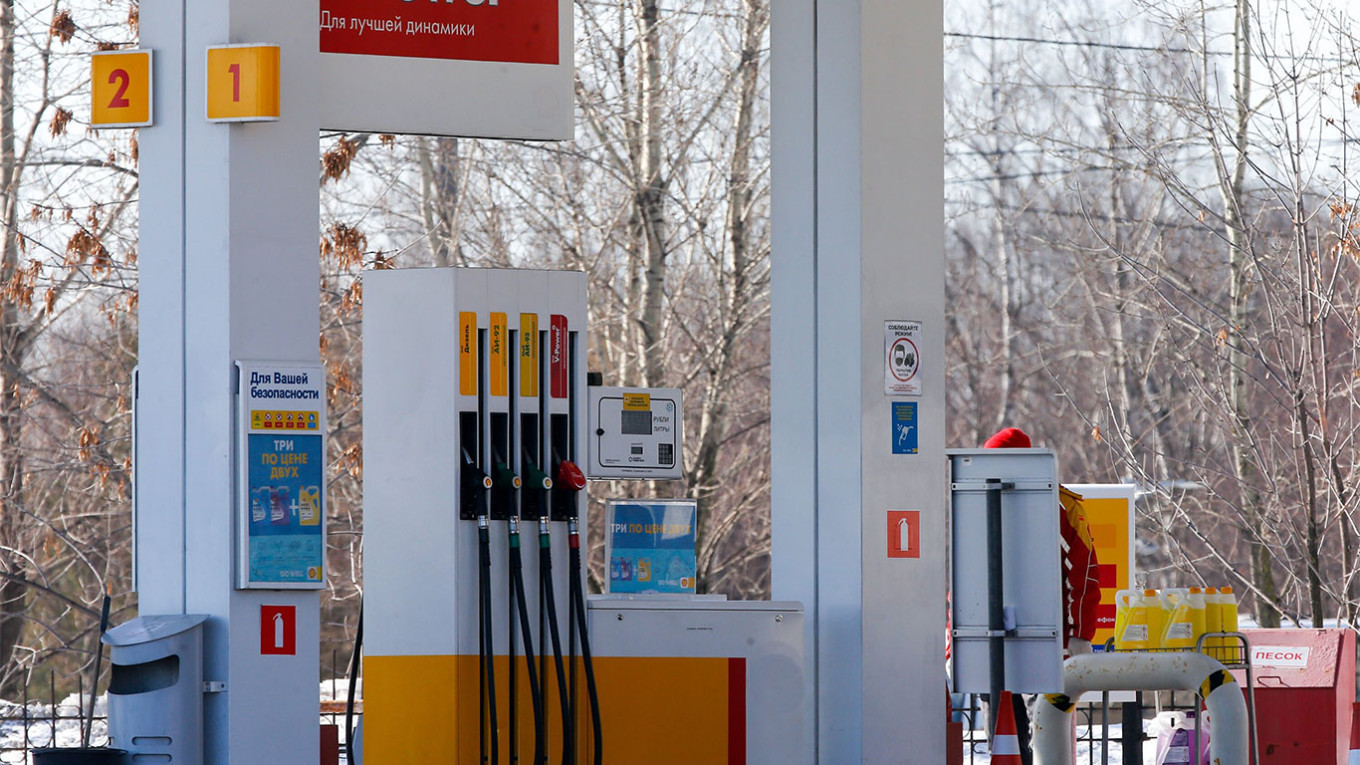
For the third time, the Russian government has extended the ban on exports of motor gasoline from Russia – now the restrictions will be in effect until February 28, 2026 inclusive.
This was reported by the press service of the Cabinet of Ministers of the Russian Federation, noting that the measure is aimed at maintaining a stable situation in the domestic fuel market, "Komersant Ukrainian" reports.
The published report says that the relevant resolution provides for the extension of the ban on the export of gasoline outside the country for all exporters, including direct producers. Restrictions on the export of diesel fuel, marine fuel and other gas oils, including those purchased at stock exchange trading, have been extended until the same date. The government clarified that the ban on the export of diesel and related petroleum products does not apply to producers of petroleum products.
The measure was initially introduced in late July amid gasoline shortages in dozens of Russian regions and record fuel prices on the stock exchange. At the first stage, the restrictions applied only to traders, oil depots and small refineries with an annual output of less than 1 million tons. In late August, the authorities extended the ban until September 30, 2025, and then until the end of 2025. In the fall, similar restrictions were extended to exports of diesel fuel, marine fuel, and other gas oils, including products purchased on the stock exchange.
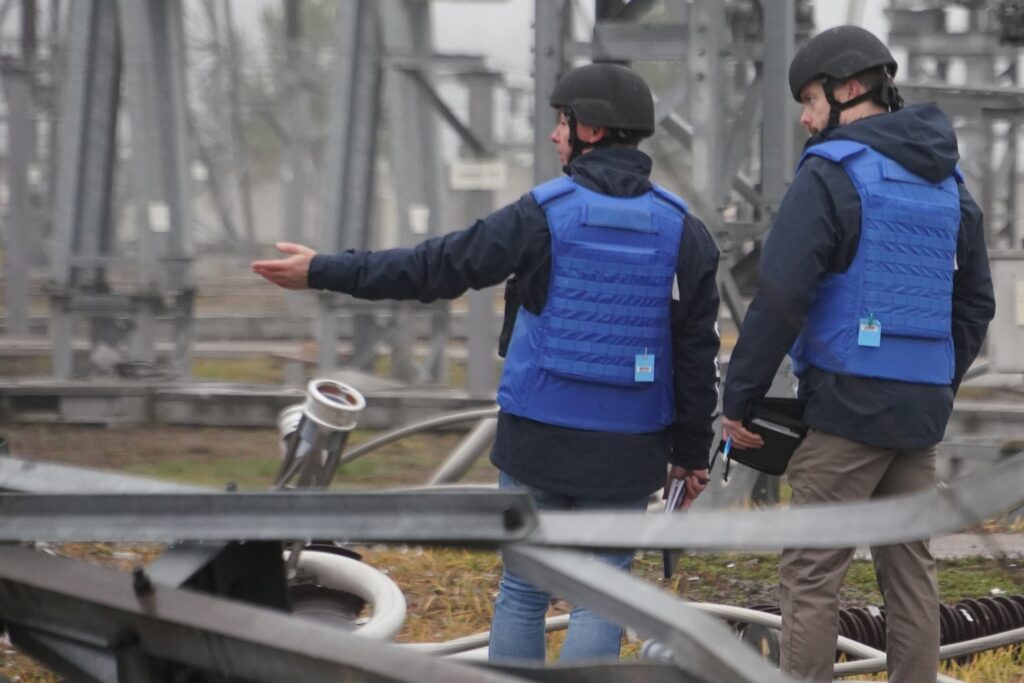
The situation on the domestic fuel market deteriorated amid the Ukrainian Armed Forces’ strikes on Russian refineries. Since the beginning of August, more than 20 refineries have been hit, some of which were partially or completely disabled. According to Bloomberg, in October, Russia’s oil refining volumes dropped to 4.86 million barrels per day, down almost 10% from July, and reached their lowest level in at least five years.
Against this backdrop, residents of at least 57 regions of the country faced gasoline shortages, and in a number of regions the authorities imposed restrictions on the sale of fuel to one person. As a result, the government abandoned exports of petroleum products, increased purchases of gasoline from Belarus, and began importing fuel from China and other Asian countries. The International Energy Agency had previously predicted that the decline in oil refining due to the Ukrainian strikes would continue until at least mid-2026.