Bulgaria has figured out how to reduce food prices. Consumers helped with protests
25 March 2025 09:42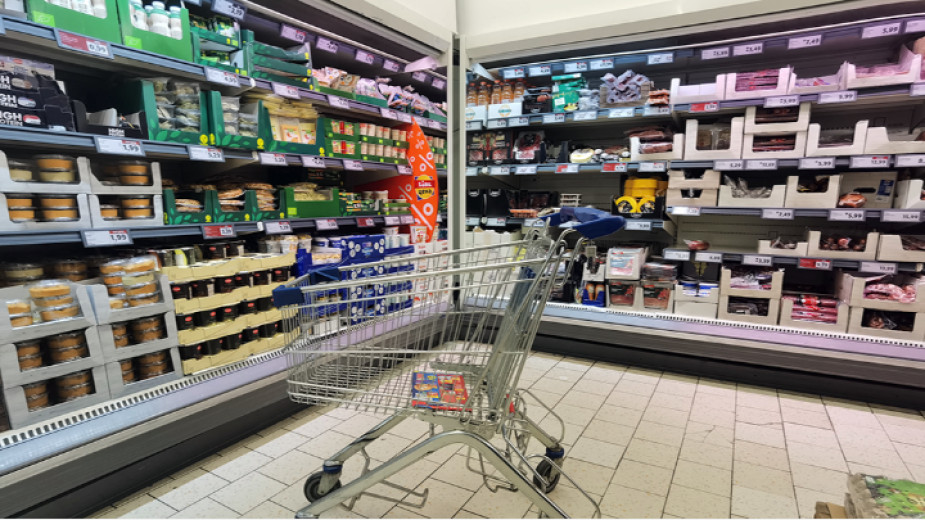
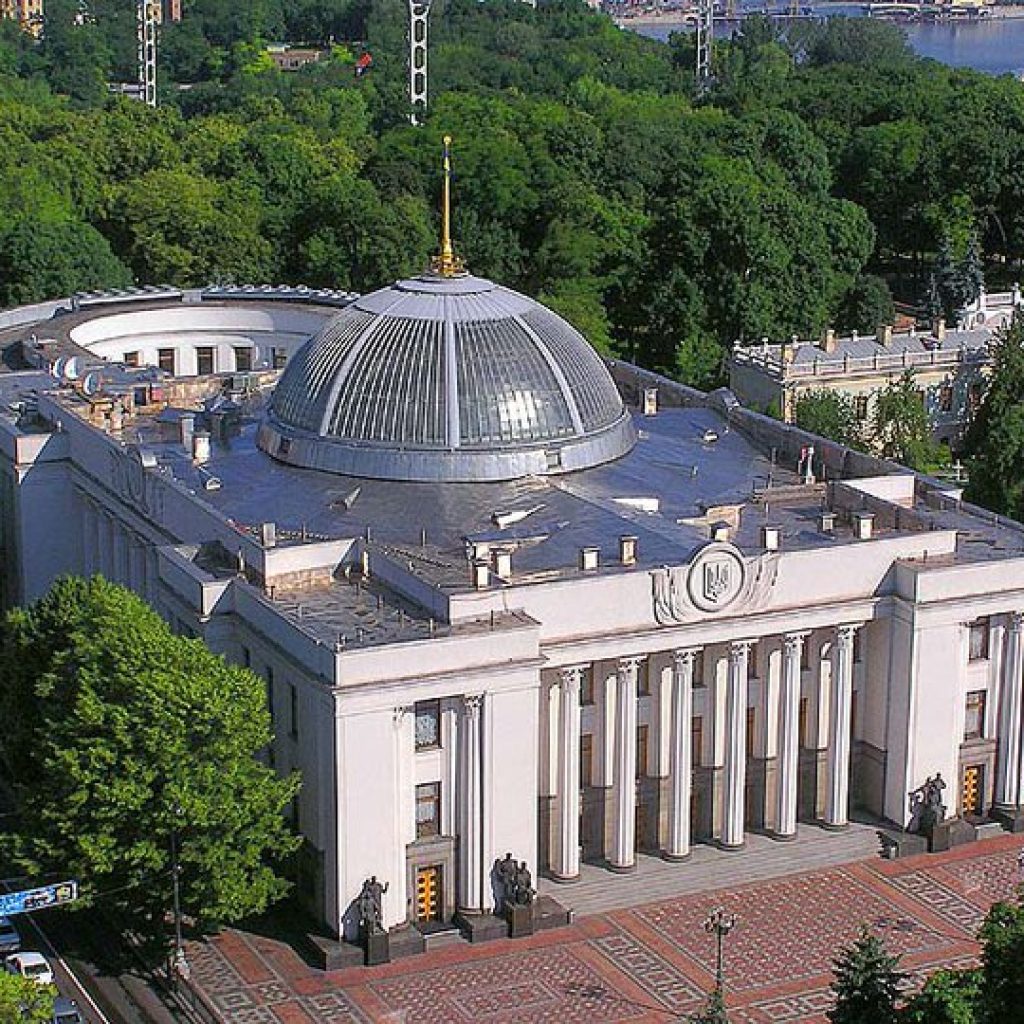
Bulgaria’s parliament has supported the idea of creating a state-owned chain of stores that will sell food at controlled prices and with a limited margin. This was the reaction of the deputies to the protests of consumers who boycotted local retail chains. This was reported by Euractiv, according to "Komersant Ukrainian".
The government has been instructed to set up a trading company with an initial capital of €5 million, which will be controlled by the Ministry of Agriculture and Food. The stores will be located in small towns in the premises of state post offices where elderly people receive their pensions.
“The creation of a state-owned network of grocery stores with controlled prices is the most important step the state must take to curb speculation by resellers, networks and cartels, to support people’s purchasing power and access to quality and affordable food even in the smallest settlements,” the political initiators of the DPS-Novoe Pochastie parliamentary group said.
However, economic experts are not happy with the initiative. Adrian Nikolov of the Institute for Market Economy emphasized that state intervention in any market raises suspicions of violating competition and EU law.
“In this case, the explicitly stated intention is to change market conditions in order to reduce food prices. The Commission for the Protection of Competition will have to check in great detail whether the trading network, behind which the entire financial power is standing, is not an unfair player in the market,” the economist said.
Politicians were pushed to the decision by consumers
Over the past two months, Bulgarian consumer organizations have organized several protest actions to boycott shopping. Such actions have become particularly popular in Eastern European countries.
The Bulgarian movement “The System is Killing Us”, the Bulgarian Consumer Federation and the United Pensioners’ Unions used social media to urge their fellow citizens not to shop at any grocery store, retail chain or supermarket on the designated days of the campaigns.
In fact, people’s discontent was not limited to rising prices for basic necessities; it was also a protest against low wages that did not keep up with prices.
The protests had an effect. It was reported that the first such action alone resulted in a decrease in store turnover by about 20%.
Euractiv reminds that annual inflation in Bulgaria is 2.6%.
Which EU countries are the poorest
Taking into account the level of GDP per capita, according to the IMF, the poorest countries in Europe are those outside the European Union. The poorest EU country in 2024 was Bulgaria with a GDP per capita of $17 thousand.
The next poorest countries in the EU after Bulgaria were Romania, Croatia, Poland, and Hungary.
The richest country in Europe and the world in terms of GDP per capita was Luxembourg with a figure of $131 thousand in 2024. This figure is 23 times higher than in Ukraine. Luxembourg is followed by Ireland with a result of more than $100 thousand.