The price of “borscht ingredients” has dropped in Ukraine: prices for beets and onions have fallen to their lowest levels in 5–7 years
26 March 17:25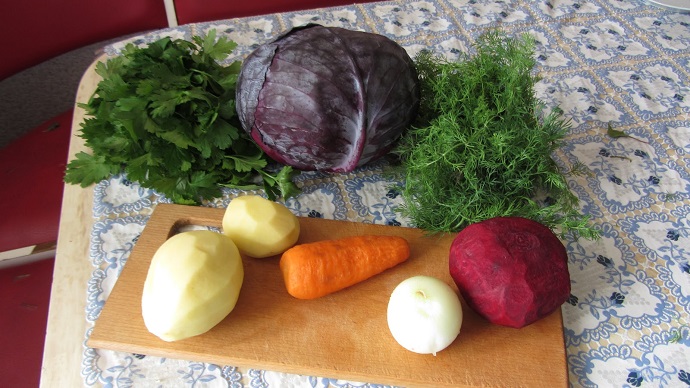
In Ukraine, prices for table beets and other vegetables in the so-called “borscht mix” have plummeted, reaching their lowest level in the past 5–7 years. The reason is an oversupply of produce on the market. Alexander Khorev, an agricultural market expert and coordinator of the EastFruit Weekly Ukrainet project, spoke about this in a comment to "Komersant Ukrainian" .
According to him, the second half of the vegetable marketing season—the period after New Year’s and before the new harvest—is unfolding atypically in 2026.
Unusual situation in the vegetable market
The expert notes that prices are falling for almost all items in the “borscht set.”
These include:
- beets
- onions
- carrots
- potatoes
- cabbage
“Cabbage is holding its price a bit better so far, but it’s still cheaper than a year ago,” says the expert.
Usually, vegetables don’t get cheaper in March, since farmers are already selling off their remaining stock, and the amount of produce on the market decreases significantly.
Why prices have fallen sharply
According to Oleksandr Khorev, many producers decided to store larger volumes of vegetables than usual.
The reason is low prices in the fall, which led farmers to expect to make money in the spring, when supply usually shrinks.
However, a significant number of producers did the same at the same time. As a result, a surplus of produce has formed on the market.
Another factor was the decline in the number of consumers due to the war and population migration.
Record-low wholesale prices
Beets and onions saw the biggest price drops.
According to an expert:
- wholesale prices start at 3 UAH per kilogram for lower-quality produce;
- up to 7 UAH per kilogram for higher-quality vegetables.
Retail prices are higher, but even they remain significantly lower than in previous years.
Farmers may be operating at a loss
Low prices create serious problems for producers.
Storing vegetables in warehouses requires ongoing expenses—for electricity, labor, and logistics. Therefore, selling at current prices often results in losses for farmers.
At the same time, producers are forced to sell their products, as they may simply spoil if unsold.
When prices may change
An expert predicts that the market situation may not change until April at the earliest.
By that time, a significant portion of the vegetables will have been sold or will have lost quality due to prolonged storage.
There may also be an increase in vegetable imports, as the new Ukrainian harvest of early crops will not be available until late May or early June.
For now, consumers are the winners
The current situation is favorable for shoppers, as prices for traditional vegetables remain very low.
However, for farmers and vegetable growers, such price dynamics could mean financial losses in the 2025–2026 season.