The Moscow Convention, a collection of articles on the treatment of prisoners of war by Russians, was presented in Ukraine
22 November 2024 09:35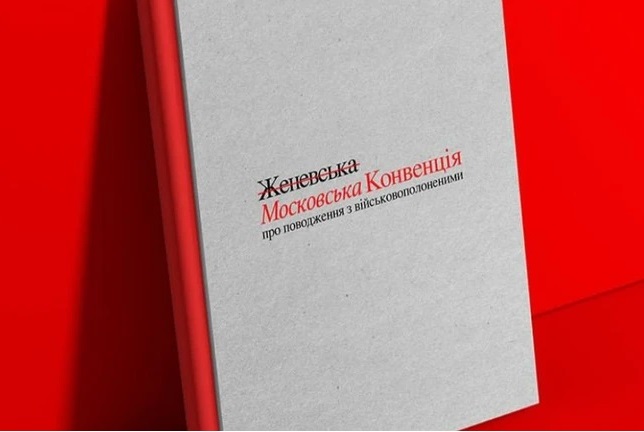
The collection “Moscow Convention” consists of 137 articles written on the basis of real testimonies of former prisoners of war, their relatives and colleagues. This was reported by the Association of Families of Azovstal Defenders, "Komersant Ukrainian" reports.
the Association called the “Moscow Convention” on the treatment of prisoners of war a “special document” and emphasized that it is a kind of alternative to the Geneva Convention. The articles of the Moscow Convention describe the “norms” of the Russian Federation regarding the treatment of prisoners of war: abuse, beatings, starvation, sexual violence, torture, etc.
“This is another attempt to show the world the consequences of a ‘neutral’ attitude to crimes against humanity. If we continue to ignore Russia’s violations of the Geneva Conventions, it will mean that we are living in a new reality where torture and murder are allowed. Based on the testimonies of former prisoners, we have compiled a list of “norms” that Russia offers to the world,” the Association of Families of Azovstal Defenders noted.
They also reported that they had launched the website moscowconvention.com, where they collected evidence of crimes and materials illustrating this gruesome document.
Representatives of the Association appealed to all concerned to help disseminate this evidence, to ensure that it is not swallowed up by the information noise, as every crime that is silenced is a new page of the Moscow Convention.
The Association of Families of Azovstal Defenders suggests
– download materials with translations into different languages;
– distribute them online and on the streets of cities;
– tag @icrc and @unitednations;
– demand recognition of Russia’s crimes and protection of prisoners.
The Moscow Convention project was developed by the Association of Families of Azovstal Defenders together with Banda Agency and the Media Initiative for Human Rights with the support of the Coordination Headquarters for the Treatment of Prisoners of War at the Defence Intelligence of Ukraine, the Ombudsman’s Office and the Ministry of Foreign Affairs.