“Learning responsibility under fire”: how the war has changed the attitude of Ukrainian schoolchildren to learning
18 September 2025 14:28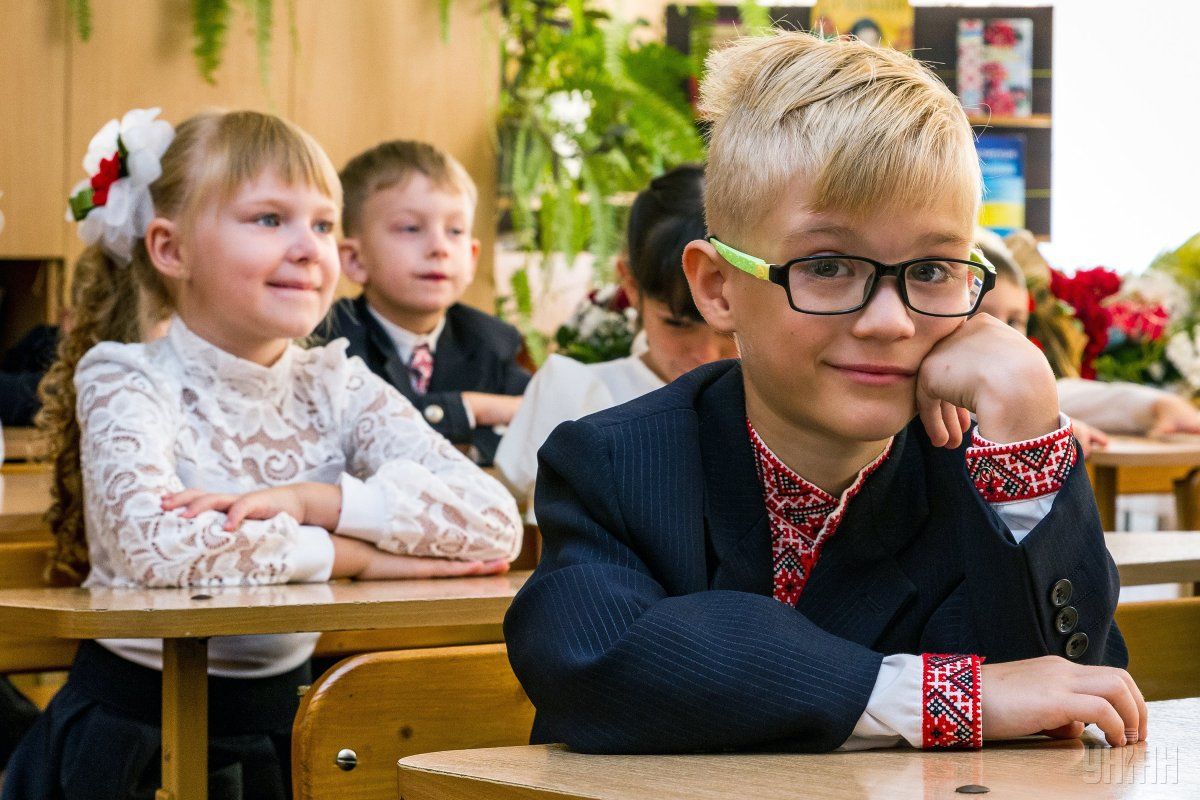
More than two and a half years after the start of the full-scale invasion, school for Ukrainian teenagers is no longer just a place of learning. A study by the Center for Social Change and Behavioral Economics has shown that students have become more independent, responsible, and talk more about the war and helping the country, "Komersant Ukrainian" reports.
42% of students said that during the war they felt more independent in their studies. Another 40% said that discussing the war has become a common part of classroom life, and 46% said that the format of lessons is constantly changing: from remote to face-to-face.
New values of the younger generation
Respondents were asked what was most important to them in wartime. The answers show a shift in emphasis:
- respect for the military – 36%;
- belief in their own strength – 33%;
- responsibility for actions – 30%;
- solidarity and mutual support – 28%.
To a lesser extent, but still noticeably, students emphasized national identity (7%) and awareness of the importance of freedom and democracy (12%).
Why it is important to talk about the war in schools
More than half of students (52%) participated in special events, from meetings with the military to thematic days. 61% emphasized that it is important to support the Armed Forces and help others in the classroom and extracurricular activities.
At the same time, 13% of students admitted that the war is hardly ever discussed in their schools. Experts warn that silence can become a breeding ground for trauma and leaves children vulnerable to disinformation.
Teenagers’ reactions: from volunteering to avoiding the topic
43% of students are already involved in volunteer or charitable projects. Others try to discuss the news (41%) or support their classmates (38%). However, 26% feel disappointed and discouraged, and 17% avoid talking about the war because it causes anxiety.
Culture of peace as the future
Students see school not only as a place to learn, but also as a space to develop a culture of peace. They want to learn how to resolve conflicts peacefully (37%), discuss human rights (34%), participate in joint projects (32%), and develop critical thinking (28%).
What educational experts say
Olena Synyavska, an educational analyst at the Kyiv School of Economics, explains:
“We see that the war has made students more mature. They are more likely to understand the importance of values – freedom, responsibility, and mutual support. But there is also a challenge here: the school should not only impart knowledge, but also teach how to live in conditions of uncertainty.”
Hanna Kovalenko, a psychologist and teacher at the Pedagogical University, adds:
“Children need more emotional support programs. If schools do not help them process the experience of war, it can lead to increased anxiety and aggression.”
The Ministry of Education and Science says it is currently working on new curricula that will take into account the experience of wartime: from safety lessons to practical volunteering.
How war affects children
According to UNICEF, more than 5 million children in Ukraine have faced disruption of the educational process due to shelling and evacuation. Some students are forced to study online from abroad, while others are in schools with shelters. Psychologists emphasize that, in addition to academic knowledge, the primary task of schools today is to preserve the mental health of students and create a sense of security.
What’s next
The survey shows that the war is changing Ukrainian youth faster than any educational reforms. It is making students more mature, shaping their civic position and skills that will determine the country’s recovery after the victory.