Vance intrigued by statement on the war in Ukraine
5 December 2025 06:34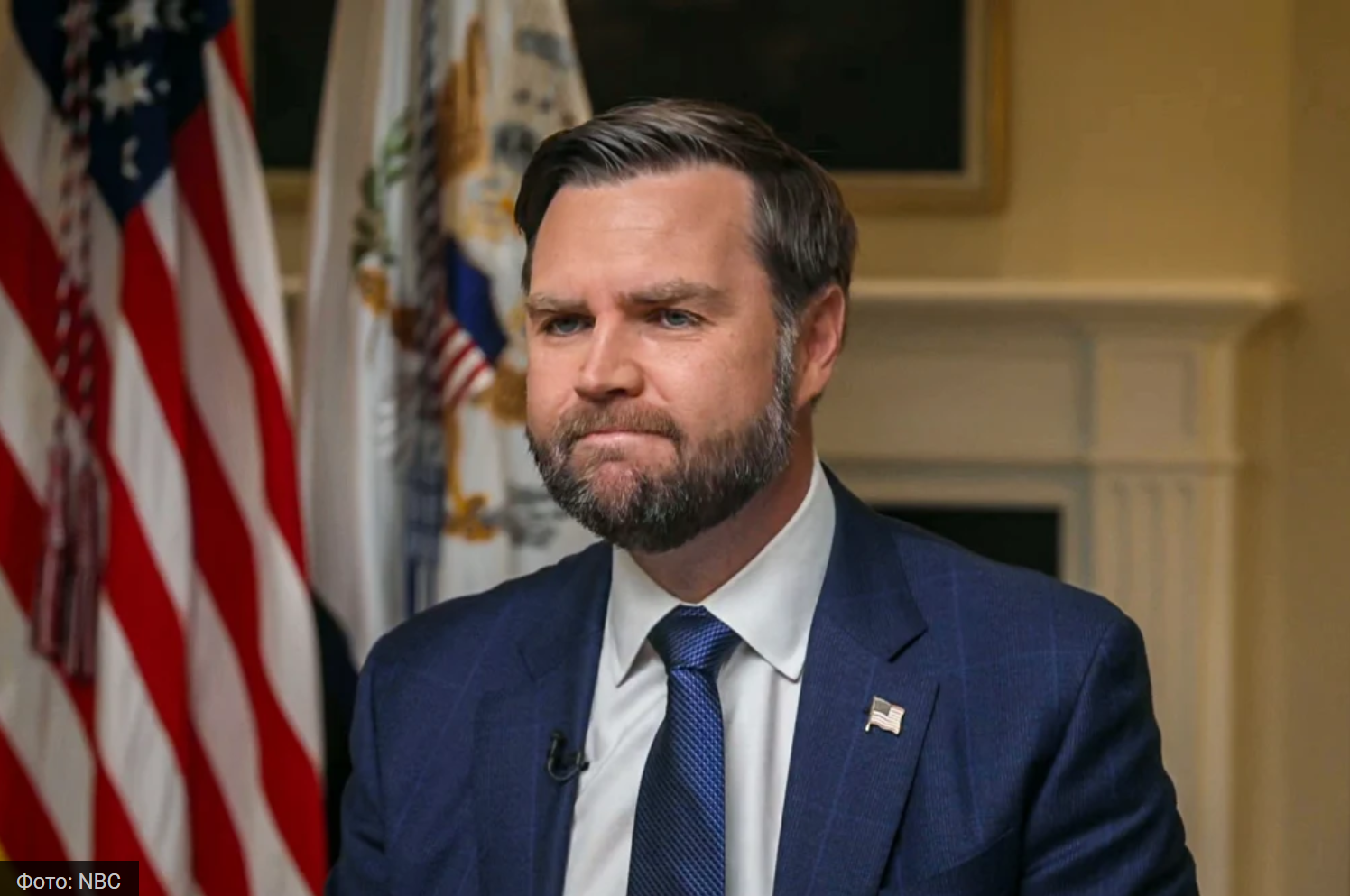
US Vice President J.D. Vance has suggested that “good news” may emerge in the coming weeks regarding the settlement of Russia’s war against Ukraine. He said this in an interview with NBC News, "Komersant Ukrainian" reports
During the conversation, journalists asked Vance what exactly frustrates him about his work as vice president. He admitted that the biggest failure was the lack of a breakthrough in attempts to reach agreements that would end Russia’s aggression against Ukraine.
“Russian-Ukrainian relations have been a source of constant frustration for the entire White House,” the vice president said.
Vance added that Washington had hoped for a quicker resolution of the conflict. According to him, even President Donald Trump has repeatedly said that this war is “the easiest to resolve.”
However, the reality was the opposite.
“If someone had ever told me that it was easier to achieve peace in the Middle East than in Eastern Europe, I would have thought that was crazy,” he said.
Why Vance talks about “good news”
Despite the complexity of the negotiation process, Vance argues that progress is being made and that the United States is moving forward in finding solutions.
“We’ve made a lot of progress, but we’re not there yet. There is hope, and I’m hopeful that there will be good news in the next few weeks,” he said.
Vance did not specify what kind of decisions or agreements should be expected. The White House has not yet disclosed any details.
What is happening in the negotiations
The Trump administration declares its desire to end the war quickly, but does not specify what the agreement should look like.
The US is consulting with European partners and countries of the Global South.
Russia publicly insists on ultimatum demands that contradict Ukraine’s basic interests.
Ukraine emphasizes that negotiations are possible only under conditions that guarantee security and do not violate sovereignty.
Analysts note that Vance’s statement may signal a move in the diplomatic direction, but it is unclear whether it is a real breakthrough or just a preparation for political statements in the United States.