The Verkhovna Rada requires tools to control the supervisory boards of state-owned companies: their effectiveness is unknown
10 December 2025 18:12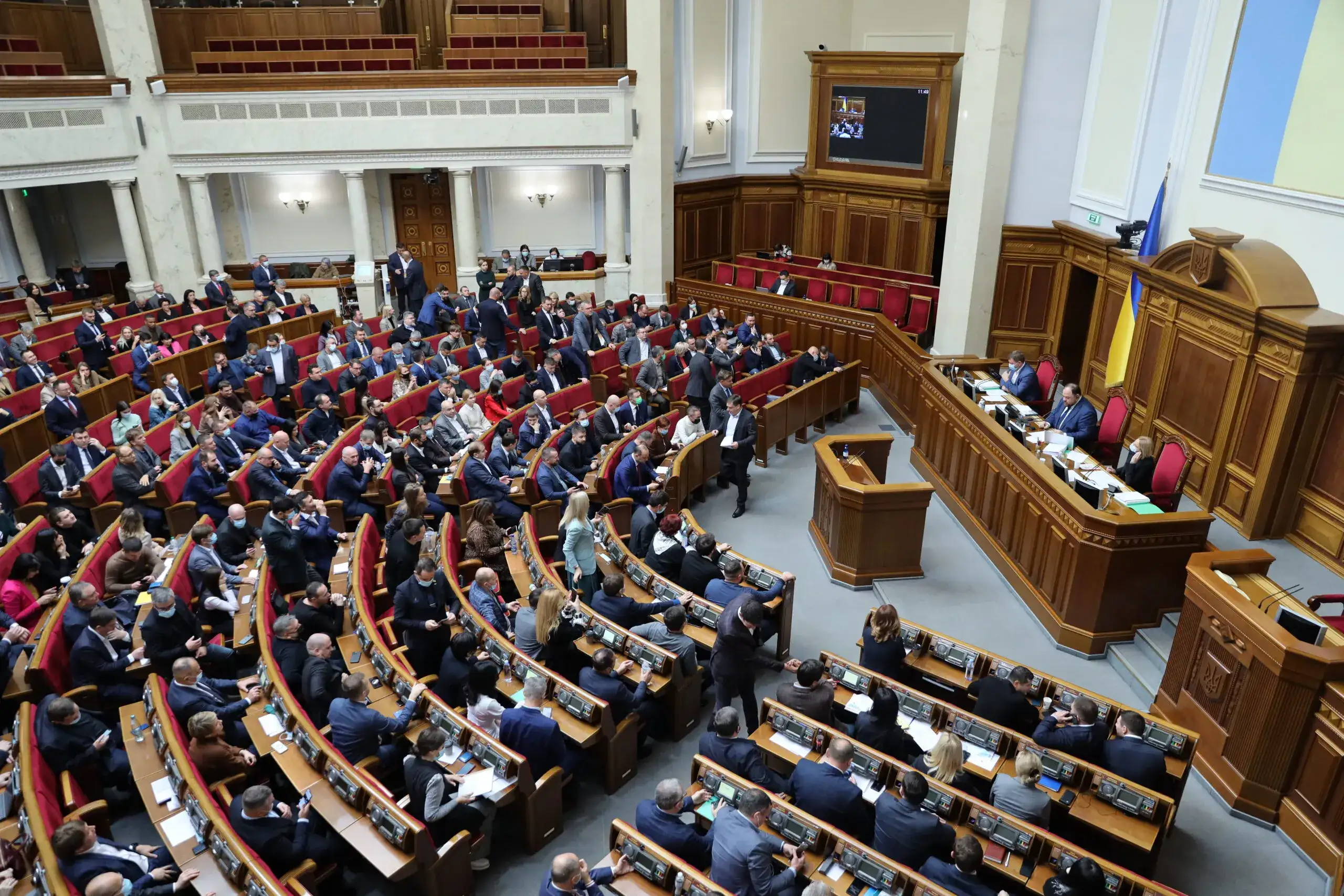
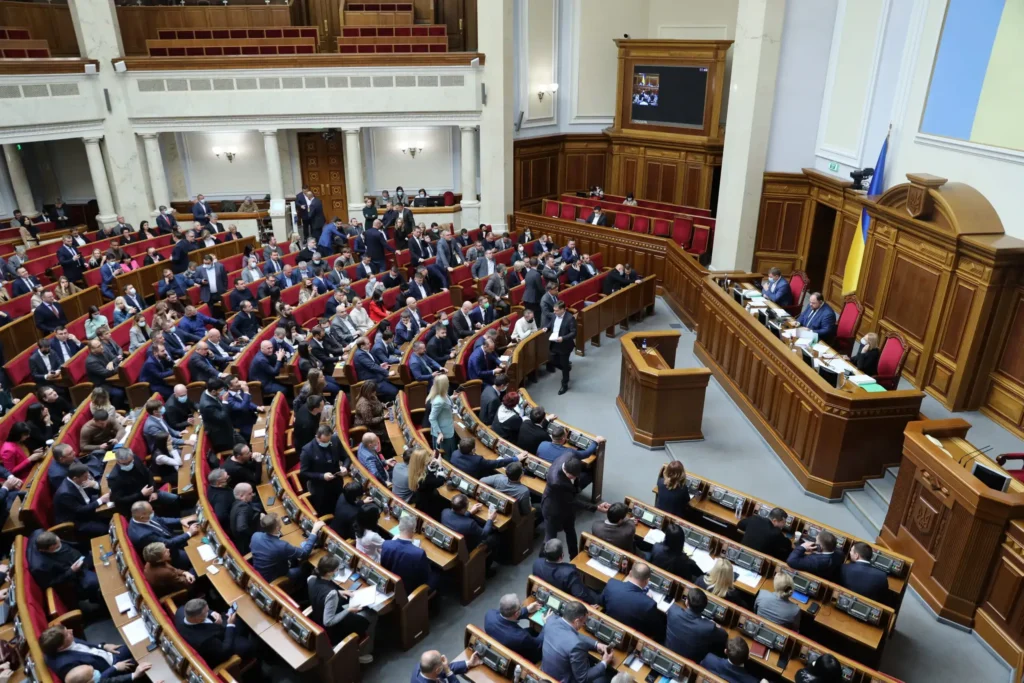
The high-profile Midas case, which has shaken both society and the government, has exposed a critical gap in the corporate governance system. As it turned out, the government lacks any tools to monitor and control the work of the supervisory boards of the largest state-owned companies, including Energoatom, Ukrenergo, Naftogaz, Ukrzaliznytsia, Ukroboronprom, and Ukrposhta. MPs drew attention to this during a meeting of the Verkhovna Rada on November 19, which was attended by Deputy Prime Minister Taras Kachka, "Komersant Ukrainian" reports.
MP Andriy Zhupanin said that the government should develop a clear and comprehensive procedure for evaluating the work of supervisory boards of state-owned companies.
“Please develop a normal procedure for evaluating the work of supervisory boards of state-owned companies at the government level. I have read the report of Ernst & Young on the assessment of the work of the supervisory board of Naftogaz. The report is purely formal – it answers the question of whether there is a supervisory board, how many members it has, whether they meet the requirements of a supervisory board – and that’s it. No analytics, no analysis, no understanding of how the work of the supervisory board affects the company’s performance.
It is the government’s job to provide the right parameters for assessing the work of supervisory boards. The second question is why the government is selective in reforming the supervisory boards of energy companies?” – emphasized the MP.
In response, Deputy Prime Minister Taras Kachka admitted that there has been no systematic control over the work of supervisory boards until now.
“This is a good question. The government, as you know, has approved the Property Policy – a comprehensive one – quite recently. Last fall, we presented it and want to stick to it. Because the creation of a supervisory board is just a tool. It needs to be filled and managed. We have to give very clear instructions, guidelines, and performance assessments. Everything you are talking about is our priority today,” Kachka said, while denying the government’ s “selective approach” to reforming supervisory boards.
Selective approach
Nevertheless, while the supervisory board of Energoatom was dissolved after the Midas corruption scandal and audits of Ukrenergo and Naftogaz were launched , Ukrzaliznytsia and Ukroboronprom were, indeed, initially ignored by Prime Minister Yulia Svyrydenko.
A week later, however, an audit of Ukroboronprom was scheduled, and this happened against the backdrop of Volodymyr Zelenskyy ‘s instruction to report to him on a weekly basis on inspections in the defense sector. The government itself took over the inspection of Ukroboronprom, as well as the Defense Procurement Agency and the State Logistics Operator.
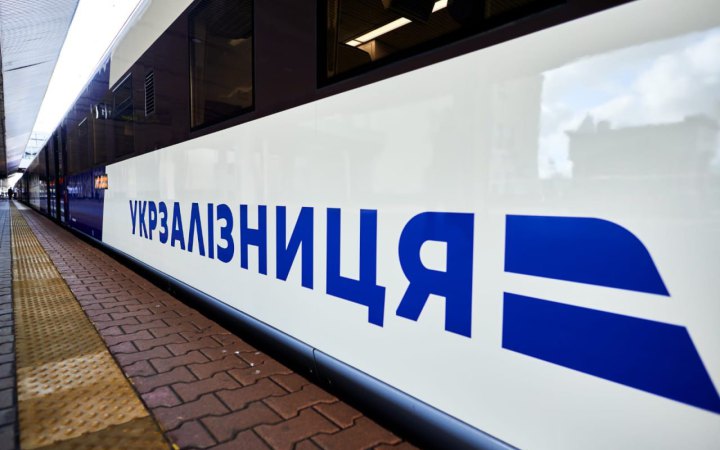
However, no one has yet begun to inspect Ukrzaliznytsia, which has been brought to a critically unprofitable state.
The only thing that Yulia Svyrydenko said on this topic was that she had instructed Ukrzaliznytsia to check itself. More precisely, she said that the Supervisory Board of UZ (which has no mechanisms to control its performance – ed.) should audit its own company.
“The supervisory boards of Naftogaz, Ukroboronprom, Ukrzaliznytsia, Ukrhydroenergo, and state-owned banks should analyze the activities of the executive bodies of the companies within their powers. If violations are found, additional measures should be taken,” Svyrydenko said.
To the topic
Earlier, UZ ordered an external audit of itself from Ernst & Young for UAH 55 million. However, the content of a similar audit (from the same auditor for Naftogaz), as noted above by MP Zhupanin, does not contain “any analysis, any understanding of how the work of the supervisory board affects the company’s efficiency.”
“Results” of Ukrzaliznytsia
Over the past five years, the state of UZ has deteriorated to the level of a deep financial crisis. Throughout 2025, the company has been operating even without a financial plan, as the Supervisory Board has not approved it.
In 2021-2025, UZ’s cargo traffic decreased by 49%: from 315 million tons to 160 million, which led to a significant drop in profits and subsequently to an increase in the company’s debts. In 2027, the forecast of UZ’ s losses is already estimated at almost UAH 5 billion.
The trail of corruption scandals involving UZ is also considerable. The most famous of them(according to the NABU) include embezzlement in the procurement of cable, gas, repairs of track machines, etc.
Reaction of the Verkhovna Rada
Reacting to this situation, a parliamentary committee of the Verkhovna Rada has already summoned the management of Ukrzaliznytsia, members of its supervisory board, and government officials for a public report. However, the date of this meeting was postponed.
At the same time, the Verkhovna Rada openly states that members of the company’s supervisory board avoid answering inquiries about their work, avoid communicating with parliamentarians, and generally do not explain why they receive millions in salaries – even in the face of war in the country.
Who is in charge at UZ?
The composition of the Supervisory Board (SB) of UZ was slightly updated in early October this year. However, it was minimal. Oleksandr Kamyshyn (who was dismissed from the post of UZ chairman), Serhiy Leshchenko(who joined the SB for a second term), Hafer Cheetah(who joined the SB for a second term), David Lomjaria(who joined the SB for a second term and also heads the SB of Ukroboronprom), and Anatoliy Amelin (who joined the SB for a second term ) continue their longstanding leadership in the company.