From de facto to de jure: how the Kremlin is changing the rules of negotiation
6 February 09:17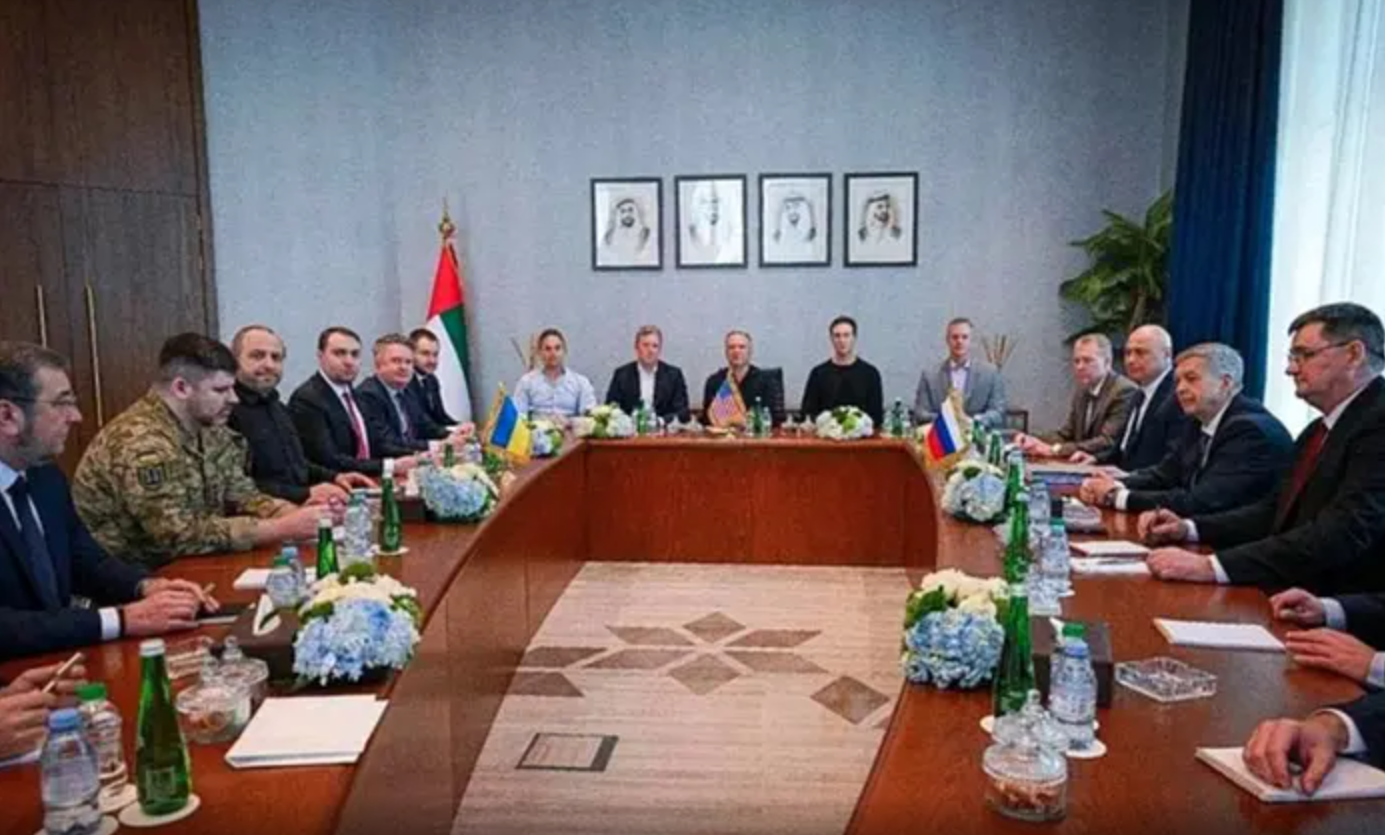
The negotiation process between Ukraine, the US, and Russia increasingly resembles a vicious circle: the parties continue to meet, make statements, and discuss possible peace scenarios, but experts see no real progress. Russia’s demands are becoming tougher, and a number of media outlets report that the issue of territory is shifting from the realm of actual control to the legal realm, while the war itself continues.
According to Western sources in the Russian media, the Kremlin has put forward a new key condition for a potential peace agreement — international, i.e., de jure, recognition of Donbas as Russian territory. This has been reported by several news outlets, citing sources in diplomatic circles. At the same time, the Russian side claims “progress” in the negotiations. In particular, Russian President Vladimir Putin’s special envoy Kirill Dmitriev said in a comment to Sky News:
“We see that there is definitely progress and good, positive movement forward.”
However, according to Ukrainian experts, the real meaning of these “positive signals” looks much less optimistic.
From de facto to de jure
Doctor of Philosophy Sergei Yagodzinsky, in a comment for
“The Russian Federation is raising the stakes in the negotiation process, and now the issue of Donbas is no longer de facto, but de jure. If the information about the de jure recognition of Donbas as part of Russia is confirmed, I am afraid that these negotiations will stall again and will have no effect,” Serhiy Yagodzinsky emphasizes.
In fact, this is a demand to legalize the results of aggression, which contradicts not only Ukraine’s position but also the basic principles of international law.
Peacekeepers as “intervention”
Another sensitive point in the negotiations is the issue of security guarantees for Ukraine. According to preliminary data, instead of a classic peacekeeping contingent, a model of rapid response by multinational forces is being discussed.
However, Russia’s position remains tough on this issue as well. According to Yagodzinsky, Moscow has already made it clear that any presence of foreign troops in the occupied territories will be regarded as “intervention in its territory.”
“They really position Ukrainian land as their territory. Even where it is temporarily occupied or not yet occupied, they already behave as if it were their sovereign space,” Yagodzinsky notes.
This means that Russia is trying not only to consolidate its territorial gains, but also to block any mechanisms of international security control.
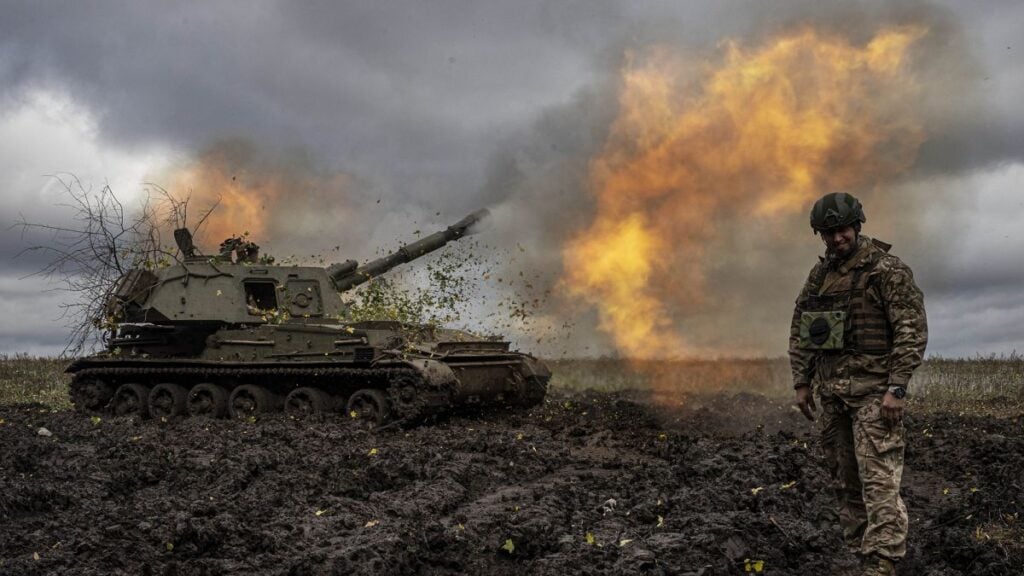
Despite statements about “positive dynamics,” the fighting continues. In recent days, Ukraine has again suffered massive missile and drone strikes on Kyiv, Kharkiv, Dnipro, Zaporizhzhia, and other cities.
Against this backdrop, the negotiations seem detached from reality.
“In fact, the negotiations are going on separately, and the war is going on separately. The lack of progress in the negotiations corresponds to the fact that Russia is not stopping the shelling,” Yagodzinsky emphasizes.
According to him, even if the parties continue to meet and discuss the possibility of a ceasefire, there are no real preconditions for this yet.
Raising the stakes and the risk of a deadlock
The expert does not rule out that Russia is deliberately raising the stakes, counting on Ukraine not agreeing to the new conditions. At the same time, according to his assessment, the US is also putting pressure on the negotiation process, trying to achieve at least a formal result.
“The question arises: is it even possible in this case to conclude these negotiations with any kind of result?” Yagodzinsky notes.
Thus, the current round of negotiations risks turning into another diplomatic impasse: Russia demands the legalization of the occupation, Ukraine cannot agree to this, and the fighting continues with no signs of de-escalation.
Moreover, at this point, most of the information is based on leaks and statements from individual participants in the process. Final conclusions can only be made after official comments from all parties.
Read us on Telegram: important topics – without censorship