From propaganda to the “shadow fleet”: The EU has expanded sanctions – Diana Panchenko and Kremlin structures are on the list
15 December 2025 18:44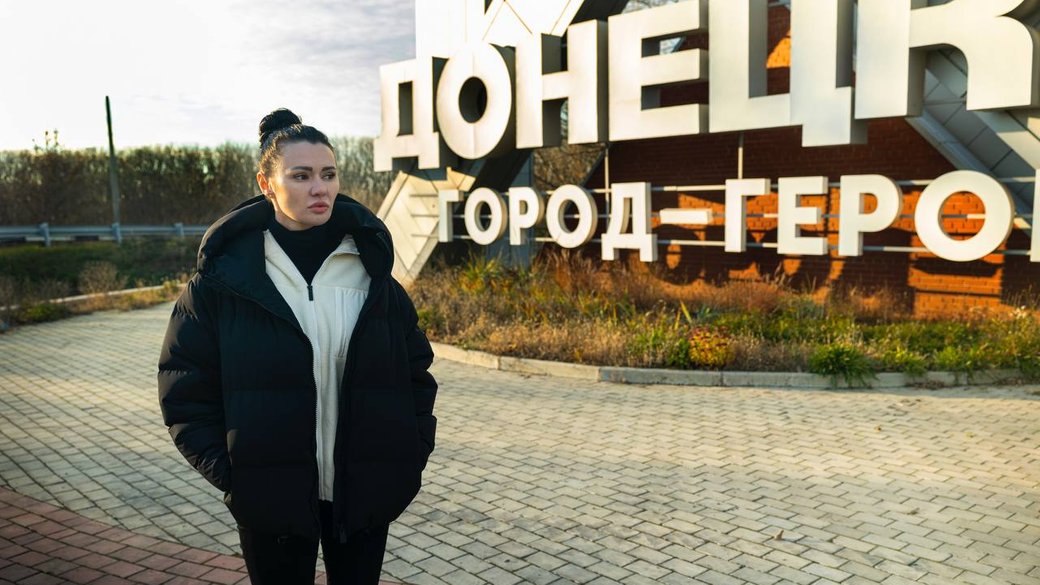
The European Union has announced another expansion of sanctions in response to hybrid threats from Russia, "Komersant Ukrainian" reports.
The EU Council has imposed restrictions on 12 individuals and two organizations that Brussels considers to be involved in information manipulation, propaganda, and cyberattacks against Ukraine, EU states, and NATO allies.
Separately, the European Union adopted another package of sanctions, this time against members of Russia’s “shadow fleet” used to circumvent oil restrictions.
Who is subject to sanctions
The EU says that the new restrictions are aimed at individuals and entities associated with the Kremlin’s information apparatus. The list includes pro-Russian analysts, propagandists, and conspiracy theorists.
Among the defendants:
- aUS citizen, a former sheriff’s deputy in Florida, who is accused in the EU of supporting Russia on social media;
- Andrey Sushentsov (MGIMO) and Dmitry Suslov (Higher School of Economics);
- ivan Timofeev, Director General of the Russian International Affairs Council and Program Director of the Valdai Club;
- “International Russophile Movement;
- 142nd Battalion of Electronic Warfare of the Russian Armed Forces, which the EU links to GPS failures in the EU countries;
- members of GRU unit 29155 and the hacker group Cadet Blizzard.
Diana Panchenko, a former Ukrainian TV presenter who, according to the EU, has been working in the information space in favor of Russia since the outbreak of full-scale war, was added to the sanctions list.
“Diana Panchenko is a journalist and propagandist of Ukrainian origin. She creates and disseminates anti-Ukrainian, pro-Russian and anti-NATO narratives. In her videos, Panchenko deliberately imitates the format of television news, trying to give the Kremlin’s narratives the appearance of legitimacy. She manipulates information, portraying the Ukrainian government as “Nazi” and accusing it of betraying its own people, while justifying Russia’s military aggression and crimes,” the sanctions justification reads.
Panchenko actively spreads conspiratorial and anti-Ukrainian rhetoric on her Telegram channel (402,000 subscribers) and on the social network X (148,000 subscribers). On the X platform, she is trying to expand her English-speaking audience by using clickbait content and promoting pro-Russian accounts.
Why Panchenko is mentioned
Until 2022, Panchenko worked for TV channels associated with Viktor Medvedchuk and hosted political talk shows. After the start of the full-scale invasion, she left Ukraine and intensified her public activities abroad.
In October 2023, the Security Service of Ukraine notified her of suspicion of treason. The EU emphasizes that the sanctions were imposed as part of the fight against Russian information operations and interference in democratic processes.
Cyberattacks and hybrid warfare
The EU Council states that the individuals on the list were involved in cyberattacks against Ukrainian government agencies, as well as EU and NATO countries. According to Brussels, these actions were aimed at stealing confidential information and political destabilization.
What the sanctions mean
All of the suspects are banned from entering and transiting the EU, their assets are frozen, and EU citizens and companies are prohibited from providing them with financial or economic resources.
In total, the EU sanctions regime in response to Russia’s war against Ukraine now covers more than 2,600 individuals and organizations. Brussels emphasizes that the new decisions are part of a long-term strategy to deter Russia’s hybrid war, which it is waging not only against Ukraine but also against the European Union.