Ukraine risks losing billions in aid: the delay in reforms has already cost us over 4 billion euros, says Getmantsev
8 April 18:20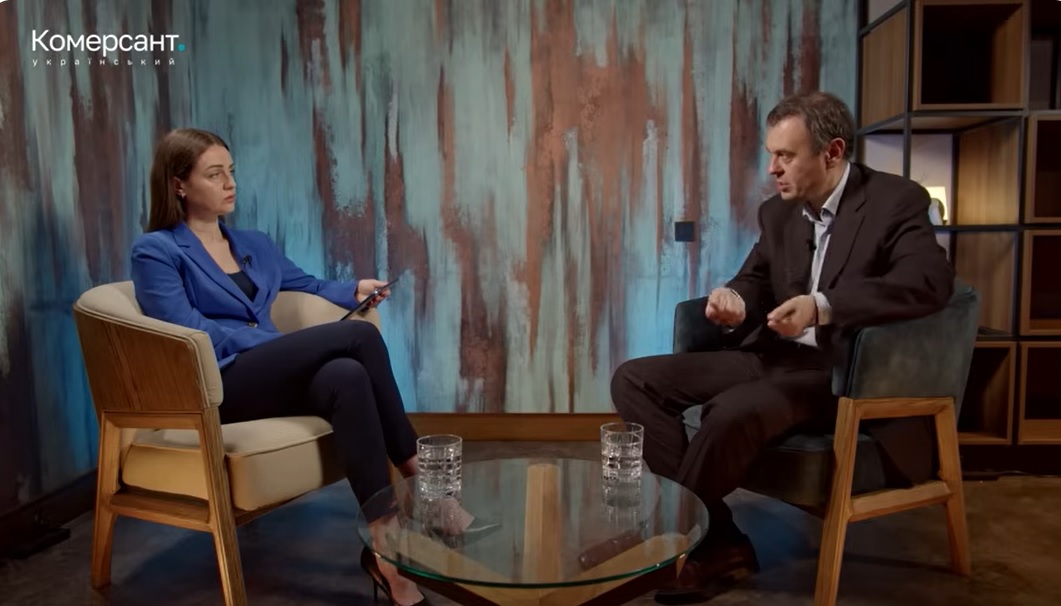
Ukraine is missing out on international financial aid due to delays in fulfilling its commitments. This involves billions of euros needed to support the budget, the economy, and social payments.
This was stated in an interview with the YouTube channel "Komersant Ukrainian" by Danylo Getmantsev, a member of the Ukrainian Parliament and chairman of the Verkhovna Rada Committee on Finance, Tax, and Customs Policy.
“We have lost out on more than 4 billion euros due to failure to meet the performance indicators under international aid programs. And we won’t receive another 3.3 billion until we pass key laws,” Ukraine risks losing billions in aid: the delay in reforms has already cost us over 4 billion euros, he noted.
According to Getmantsev, the problem lies not in a lack of resources or partner support, but in the internal inability to implement agreed-upon reforms in a timely manner. Ukraine itself identifies these steps as priorities, yet their implementation is systematically delayed by lawmakers.
Watch us on YouTube: important topics – without censorship
This refers, in particular, to legislative initiatives in the financial sector, energy, and integration into the European payment area, which are prerequisites for receiving funds under EU programs and from international financial institutions.
“This isn’t something imposed from outside—these are our own commitments. We agreed to these reforms, identified them as necessary, but we aren’t implementing them on time. And because of this, we’re losing funding,” the lawmaker explained.
He also emphasized that the situation is becoming critical against the backdrop of the country’s growing budgetary needs, particularly in funding the social sector.
Read us on Telegram: important topics – without censorship
“We’re talking about secondary issues, but we’re not talking about the main thing—where to get the funds to pay teachers and medical workers. Today, a nurse with many years of experience earns less than 10,000 hryvnias, and teachers’ pensions are in the range of a few thousand. These are the issues that should be the focus,” he emphasized.
Getmantsev also noted that cooperation with international partners, particularly within the framework of macro-financial assistance programs and the IMF, entails clear conditions, the fulfillment of which is critically important for the country’s financial stability.
“The memorandums clearly spell out which decisions we must adopt and by when. This is a set of measures necessary to avoid a financial crisis and ensure the stability of the state,” he noted.
According to him, under current conditions, the issue is not merely about economic growth, but about the state’s fundamental ability to finance its expenditures.
“Right now, we’re not talking about additional percentage points of GDP growth. We’re talking about preserving the country and ensuring its financial stability,” Getmantsev concluded.