28 days of vacation and new work rules: how large-scale labor reform will change the lives of Ukrainians
12 January 17:31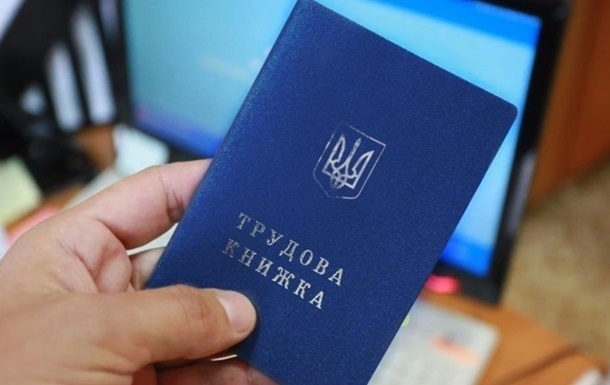
Ukraine is preparing for one of the most ambitious reforms of labor legislation since independence. The draft of the new Labor Code, which was approved by the government on January 7, 2026, enshrines modern forms of employment and significantly expands social guarantees for employees — in particular, it increases the duration of annual paid leave to 28 days.
Deputy Minister of Economy, Environment, and Agriculture Daria Marchak spoke about the key innovations in the document on the “Yedyny Novyny” telethon, according to "Komersant Ukrainian".
More contracts and more flexible work formats
One of the basic innovations is the expansion of the types of employment contracts. Their number is increasing from six to nine. According to Marchak, this should make labor relations more flexible and better adapted to the real conditions of the labor market.
The code separately establishes modern work formats: remote, home-based, and work with flexible hours. Remote work, the ministry emphasizes, is becoming a full-fledged separate type of employment contract — with clear agreement between the employee and the employer and the terms fixed in the contract.
The document also allows for combined employment models. For example, an employee can work in the office several days a week and remotely the rest of the time. Such agreements must also be officially documented.
Protection for vulnerable groups
The draft Labor Code defines situations in which remote work will take priority. These include, in particular, pregnant women, parents of children under 18 months of age, or children with disabilities.
A separate provision concerns protection against mobbing and discrimination. In such cases, an employee may be temporarily transferred to remote work as a protective measure while the situation is being reviewed.
Minus outdated restrictions
Another fundamental change is the abolition of a number of outdated restrictions which, according to the government, do not correspond to modern realities and are often discriminatory in nature.
As an example, Marchak cited the current ban on night work for women with children under three years of age. As a result, midwives with small children, for example, are formally unable to work night shifts. The new code proposes to remove such restrictions, giving female employees more freedom of choice.
28 days of vacation — a step towards the EU
One of the most significant changes for employees could be an increase in annual paid leave. Currently, the law guarantees 24 calendar days, while in EU countries the standard is 28 days.
The draft Labor Code provides for just such a norm, adding four additional days of vacation per year. The ministry emphasizes that this is not only a social guarantee but also an important step toward European integration.
What will happen to existing contracts
Once the new code comes into force, there will be no need to renegotiate existing employment contracts. At the same time, employers who have not yet formalized their employment relationships properly will have a year to do so in writing or electronically.
The draft Labor Code still has to go through parliamentary review, be approved by the Verkhovna Rada, and signed by the President. Only then will the document come into force.