“Russian-free” vacations remain the top trend this year for Ukrainians planning to vacation abroad
15 March 14:09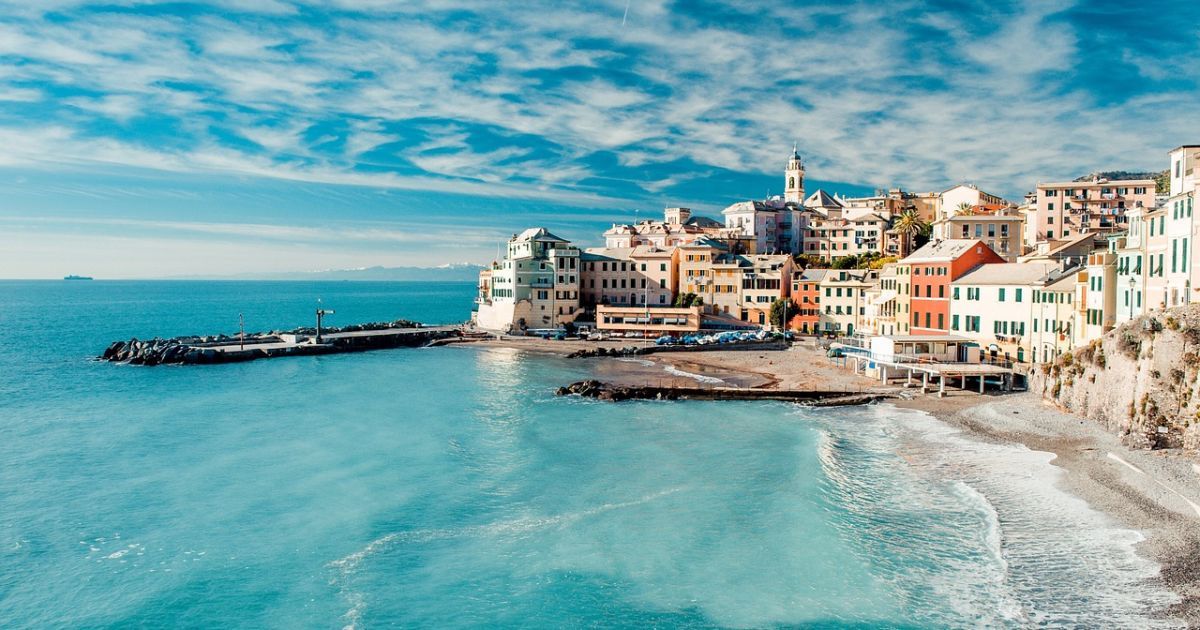 ANALYSIS FROM
Despite the tense global security situation caused by military conflicts in various regions, demand for overseas vacations among Ukrainians remains quite high. Since the peak summer vacation season is just beginning, it is currently difficult to assess its actual figures. Last year’s trends showed positive results. While very few Ukrainians traveled abroad for vacations in 2022 and 2023, this figure surged by 70% in 2025 compared to 2024.
Tour operators
In addition, the absence of tourists from Russia remains a key criterion for choosing a hotel—this is primarily due to issues of psychological comfort and the absence of grounds for disputes and verbal altercations.
Popular destinations with a Ukrainian “filter”
Experienced Ukrainian travelers and tour operators have their own unspoken list of countries and resorts where the likelihood of Ukrainians encountering Russians is minimal.
Overall, since 2022, the travel patterns of Russian citizens have changed radically. Russians have almost stopped traveling to most countries in Europe and North America due to direct bans, the cancellation of air service, and visa restrictions.
Many EU countries have officially suspended the issuance of tourist visas to Russians. In particular, the Baltic states (Estonia, Latvia, Lithuania) and Poland closed their borders to Russians holding Schengen visas as early as September 2022. Finland and the Czech Republic have completely stopped admitting Russian tourists and issuing visas. Denmark, Belgium, the Netherlands, Germany, and Slovenia have also introduced strict visa restrictions, making travel nearly impossible for ordinary tourists. Even Cyprus—once one of the most popular destinations for Russians—has become less popular among Russian citizens due to the cancellation of direct flights and the introduction of visa fees.
As for popular destinations chosen by Ukrainians with “no Russians” filters in their favorites, Croatia and the Adriatic, Southern Italy (Calabria, Sicily), Greece (Santorini Island), Croatia, Malta, and Madeira (Portugal), which are favored by road trippers from EU countries.
In Egypt, despite the dominance of Russian tourists, Ukrainians choose Marsa Alam and El Alamein. Unlike the crowded resorts of Hurghada and Sharm el-Sheikh, which are packed with Russian tourists, these resorts cater to the Italian and Polish markets. El Alamein on the Mediterranean Sea is called the “Egyptian Maldives” without the Russian crowd.
The situation is similar in Turkey. Despite the large number of Russians overall, there are still resorts like Kas, Ovacık, and Dalaman—they attract fewer mass tours from Russia, preserving an authentic European vibe.
According to various estimates, such hotels account for 5–10% of all those available to Ukrainians in Turkey.
Another fairly popular summer vacation destination for Ukrainians is Bulgaria. Although there is no complete ban on Russians entering the country, the flow of tourists from Russia has significantly decreased compared to 2022 due to logistical and visa barriers.
In November 2025, the country stopped issuing multiple-entry Schengen visas to Russians. Now, visas are issued primarily as single-entry and strictly limited to the duration of the trip. There are no direct flights between Russia and Bulgaria. Russians are forced to travel with layovers through Istanbul, Belgrade, or Yerevan, which makes the trip long and expensive (starting at 34,000 UAH for a one-way ticket).
How Ukrainians check hotels after February 24, 2022
To ensure a peaceful vacation, Ukrainian travelers use several verification methods via Booking.com and TripAdvisor. They also pay attention to the language of reviews regarding the quality of accommodations and services—the dominance of German, Polish, or English in recent comments is a positive sign that citizens from the aggressor country are not vacationing there.
In addition, Ukrainian travel agencies and tour operators do indeed use internal filtering and labeling systems for hotels that do not accept Russian citizens or have a minimal number of Russian tourists. In a comment
Ukrainian tourists rarely cross paths with Russians even while traveling to resorts. Since Ukraine lacks its own air service, starting in 2022, travelers have been flying from European hubs (Chisinau, Warsaw, Rzeszów), which are more difficult for Russian citizens to access.
Statistics and Preferences
| Indicator | Data for 2025–2026 |
|---|---|
| Growth in demand | 70% for international tours |
| Leaders (bus tours) | Bulgaria, Romania, Greece |
| Leaders (flights with layovers) | Turkey, Egypt, Albania |
| Domestic tourism | Carpathians (75% of requests), Lviv, Odesa |
It is worth noting that it is difficult to provide a 100% guarantee that there will be no Russians, as many of them hold residence permits in other countries or book accommodations through international platforms such as Booking.com.