Resignation from the rostrum: how ministers will now be dismissed in Ukraine
17 December 2025 13:18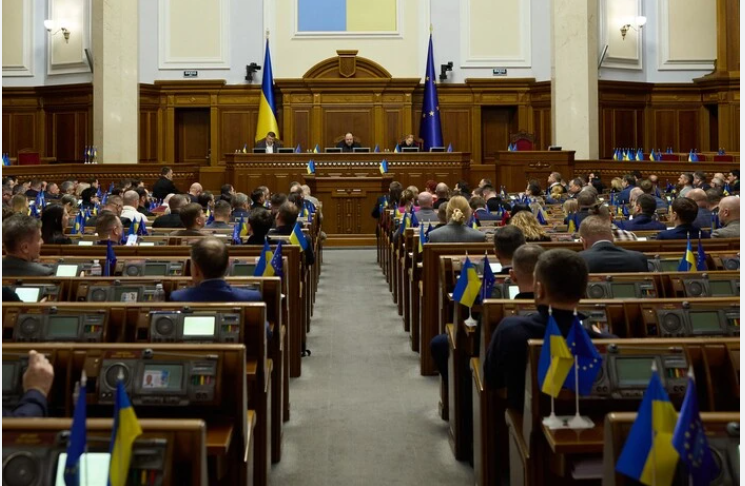
The Verkhovna Rada of Ukraine has supported a draft law that significantly changes the procedure for dismissing members of the Cabinet of Ministers and strengthens parliamentary control over the executive branch. The bill provides for mandatory public reporting of ministers in the event of their resignation, as well as updating the rules for the appointment and dismissal of government officials. This is reported by "Komersant Ukrainian" with reference to the broadcast of the Verkhovna Rada meeting,
285 MPs voted for the adoption of Law No. 1514 “On Amendments to Certain Legislative Acts of Ukraine on Improving the Procedure for Appointing and Dismissing Members of the Cabinet of Ministers of Ukraine.”
What is the essence of the innovations?
Draft Law No. 3195 (on the basis of which Law No. 1514 was adopted) stipulates that a member of the Cabinet of Ministers who resigns will no longer be able to leave office without a public report.
The document sets out three key requirements:
- Personal presence of the minister during the consideration of his or her dismissal:
- at a meeting of the relevant committee of the Verkhovna Rada;
- in the parliamentary session hall.
2. A written report on the results of work is required – without it, the resignation cannot be registered.
3. The right of a representative of the relevant committee to speak during the consideration of the minister’s dismissal in the session hall.
Why it is important: explanation of the lawmakers
The explanatory note to the draft law states that previously, Ukrainian legislation did not oblige individual ministers to report on the state of affairs in their area of responsibility before dismissal.
Because of this, the Verkhovna Rada and its committees often did not receive
- an official assessment of the work done;
- information on the problems that remain in the sector;
- an understanding of the managerial legacy that the minister passes on to his successor.
The new law aims to close this gap and make the process of dismissing ministers more transparent and accountable.
What other changes does the law provide for?
In addition to mandatory reporting, the law introduces a number of systemic innovations:
- Unification of appointment and dismissal procedures
The law clearly defines the deadlines for submitting candidates, the procedure for their consideration in committees and putting them to a vote in the session hall.
- Increased transparency of personnel decisions
The Law provides for mandatory publication of:
biographical references of candidates
property declarations;
professional profiles and work experience – even before consideration by the committees.
- Clear grounds for early termination of powers
The law details the criteria and procedures for initiating the dismissal of ministers – both by the President and the Parliament.
- Empowerment of parliamentary committees
Committees will have more tools to assess the professional suitability of candidates before making personnel decisions in the parliamentary hall.
What effect is expected from the reform?
The authors of the draft law emphasize that the new rules should
- increase the responsibility of ministers for the results of their work;
- reduce political turbulence during personnel changes;
- minimize the risks of non-transparent or backroom appointments;
- strengthen the role of the parliament as a controlling body over the executive branch.