A war involving Iran could affect internet service in Europe and Ukraine: what is known about the risks to undersea cables
19 March 06:54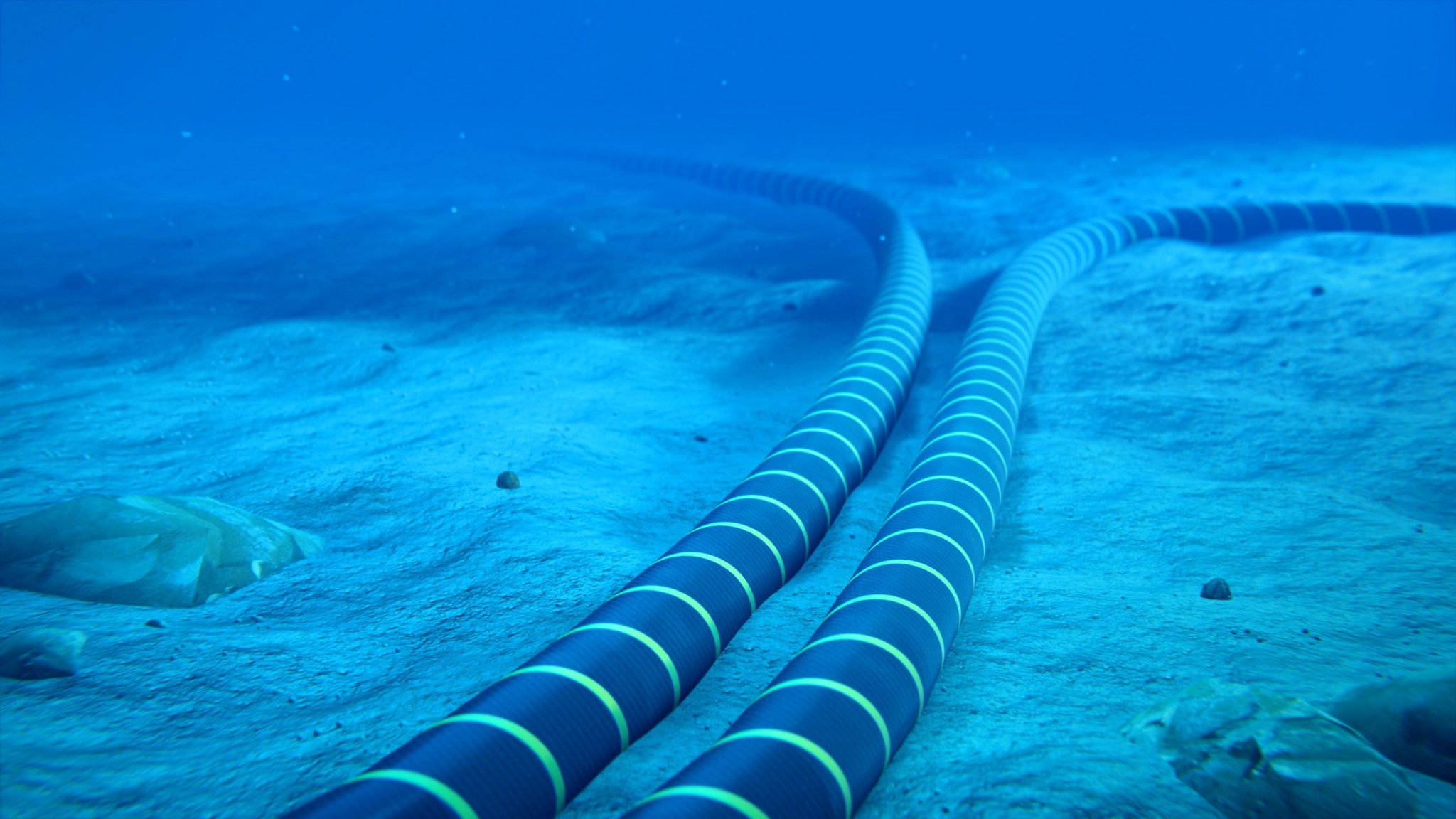
Global conflicts in the Middle East could pose risks to undersea internet cables, which carry the majority of global internet traffic. At the same time, there is currently no confirmed information regarding Iran’s plans to deliberately attack such cables—the discussion centers specifically on potential threats and risks that experts are analyzing.
This is reported by international publications Reuters, Associated Press, Wired, and industry think tanks, according to "Komersant Ukrainian"
Why Undersea Cables Are Critical Global Infrastructure
According to estimates by telecom analysts, over 95–99% of global internet traffic passes through undersea fiber-optic cables, rather than via satellites, as is often believed.
These cables support:
- international bank payments
- stock exchanges
- data centers
- cloud services
- military communications
- global IT companies
In fact, undersea cables are the “digital arteries” of the global economy.
How war could affect internet infrastructure
The analytical publication Rest of World writes that the risks to cables in the Persian Gulf region are linked not so much to direct attacks as to the possible collateral effects of hostilities.
Experts note:
- direct attacks on cables are unlikely
- damage may be accidental
- risks arise from military operations or restrictions on access for repairs.
There have already been cases of cable damage during conflicts
According to the Associated Press, damage to undersea cables has already occurred in the Red Sea, causing internet outages in countries across Asia and the Middle East.
At that time, networks were affected in:
- India
- Saudi Arabia
- Pakistan
- the UAE.
The causes of the damage have not been definitively established, although theories ranging from accidental incidents to possible attacks have been discussed.
Geopolitics Makes Cables a New Target
Wired magazine notes that modern wars are increasingly affecting digital infrastructure, including data centers and data transmission channels.
Experts explain that digital infrastructure is becoming a new element of strategic confrontation.
Countries are already preparing for possible attacks
Reuters reports that European nations have begun training to respond to potential incidents involving undersea cables due to rising geopolitical tensions.
In particular, the United Kingdom and Ireland:
- are testing response systems
- are strengthening maritime security
- improving infrastructure monitoring.
Could this affect Europe?
Direct damage to cables in the Persian Gulf region would not necessarily lead to an internet outage in Europe, but could cause:
- slower international traffic
- increased load on alternative routes
- increased costs for internet infrastructure
- delays in financial transactions
Europe has backup cable routes across the Atlantic and the Mediterranean, so a complete outage is not expected.
Read us on Telegram: important topics – without censorship
Could this affect Ukraine?
For Ukraine, the direct risk is minimal, but an indirect impact is possible due to:
- the operation of international data centers
- cloud services
- financial transactions
- global IT systems
The most realistic consequences could be as follows:
- short-term service delays
- network overload
- technical disruptions on international platforms
Experts note that modern internet architecture has significant redundancy, so global outages are unlikely.
Why countries have started to better protect cables
In recent years, NATO and EU countries have begun to view undersea cables as strategic infrastructure.
Reasons:
- the rise of cyber threats
- geopolitical conflicts
- economic dependence on digital networks
- previous incidents of cable damage in various regions
That is why many countries are strengthening:
- maritime monitoring
- cybersecurity
- backup routes
- infrastructure security
Is Iran really planning to attack the cables?
To date, reputable international media outlets have not confirmed reports of specific Iranian plans to attack undersea cables.
Analysts emphasize:
- risks exist
- cables could be damaged due to the war
- but there is no evidence of preparations for targeted attacks.
Most studies specifically mention:
- strategic risks
- escalation scenarios
- infrastructure vulnerabilities.
Why this matters to the whole world
Experts note that even local conflicts can affect the global internet.
Key risks:
- data transmission delays
- rising costs of internet infrastructure
- risks to financial transactions
- problems with international services
International experts are indeed warning of risks to undersea internet cables due to conflicts in the Middle East. However, there is currently no confirmed evidence that Iran is planning specific attacks on such infrastructure.
The concern is specifically about potential threats that could arise due to an escalation of the war.
Read us on Telegram: important topics – without censorship