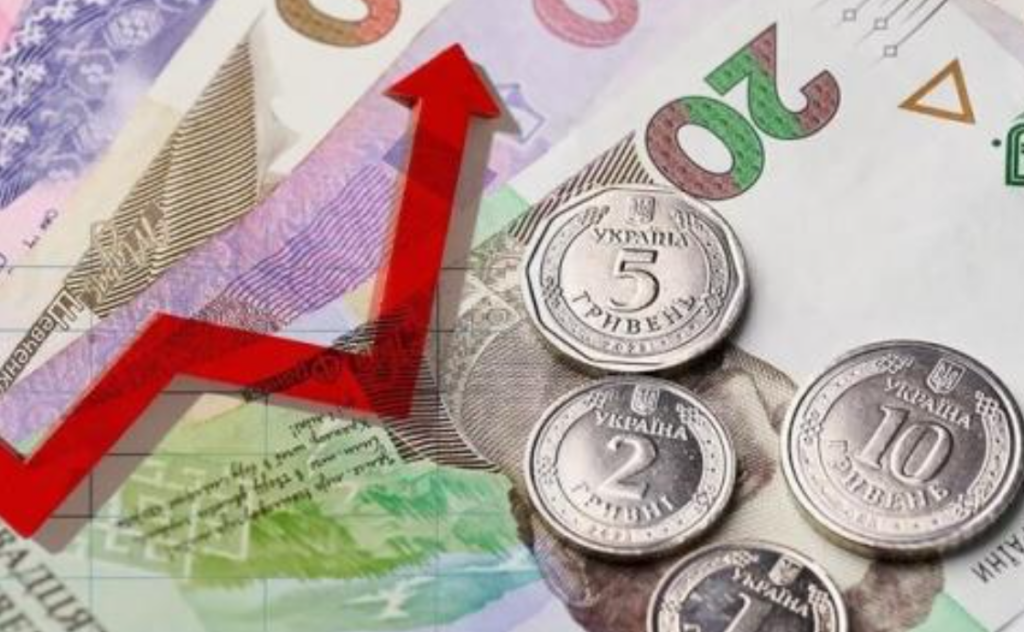
The war in Iran has hit Ukrainian farmers hard: farmers are cutting back on their crops
12 April 11:17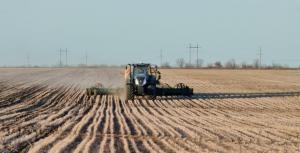
Ukrainian farmers report a sharp rise in costs and risks to exports due to rising fuel and fertilizer prices.
This is reported by "Komersant Ukrainian", citing a Reuters publication .
Ukrainian farmer Mykola Malienko, who works on fertile lands in the center of the country and supplies products to Europe, has reduced his corn acreage by 100 hectares this season.
According to him, this was a necessary decision due to rising fertilizer prices following events in the Middle East.
The biggest concern is diesel fuel, which is needed to harvest 1,200 hectares.
Its cost has nearly doubled following disruptions in global energy supplies.
Exports Under Pressure from New Risks
Despite the war with Russia, Ukraine retains its status as a major agricultural producer and exports its products to 150 countries.
At the same time, the geography of shipments has changed: volumes to Asia and the Middle East have declined, while the role of the European market has grown.
Analysts note that Russia has strengthened its position in global markets, particularly in the wheat segment, by leveraging cheaper resources.
Costs are rising, forecasts are worsening
Malyenko estimates that costs will rise by at least 10–15%, and if the conflict drags on, by up to 60%.
“Our export potential could drop significantly,” Malienko said. “This year it will fall by 15–20%, and if the situation persists, it could reach as much as 40%.”
The sector remains critically important
The agricultural sector accounts for more than half of the country’s foreign exchange earnings. After the ports were blocked, logistics costs rose, which hit farmers’ profits. The opening of the grain corridor in 2023 brought some stabilization.
However, problems remain: labor shortages, logistics disruptions, and dependence on fuel imports.
Fuel costs as the main challenge
Diesel prices have risen to nearly 92 UAH per liter. Farmers are forced to decide whether to buy fuel now or wait.
“I don’t want someone to call me and say, ‘150 hryvnias,’ when the grain is falling from the ears and I have nothing to harvest it with,” said Malienko.
Experts predict that high prices for fuel and fertilizers will persist for at least several months, which could lead to a reduction in production and crop acreage.