Milk production in Ukraine has exceeded pre-war levels
19 February 13:22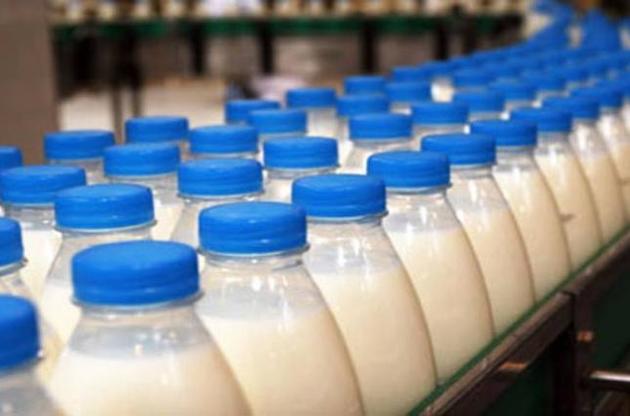
At the beginning of 2026, Ukraine experienced a surplus of dairy products caused by a decline in exports.
For the first time since Ukraine’s independence, agricultural enterprises increased their cow herd by 3% in 2025, to 385,000 head as of December 1. Milk production in this segment grew by approximately 7% to 3.2 million tons. This was reported by INFAGRO, according to "Komersant Ukrainian".
The increase in production volumes also stimulated processing: in 2025, dairy plants could receive about 3.6 million tons of raw milk, which is 9% more than last year and even exceeds the pre-war level of 2021. The production of dairy products is growing faster than domestic consumption, so producers are increasing exports.
According to preliminary estimates, exports of dairy products in terms of milk equivalent increased by 17% in 2025, to 0.7 million tons. At the same time, imports remain significant, at around 0.4 million tons, which is explained by price disparities.
At the beginning of the year, against the backdrop of record high prices for raw milk, processors managed to raise prices for finished dairy products and overcome the crisis in the raw materials market in the fourth quarter of 2024. In mid-2025, the market balance was supported by high global prices for exchange-traded dairy products, primarily butter.
The worst situation occurred in the fourth quarter. Global commodity markets collapsed, cheese imports rose sharply, forcing processors to significantly reduce their purchase prices for milk during the off-season. Mass power outages posed an additional challenge.
Despite this, the overall results for the year were relatively positive for the industry.
The outlook for 2026 remains cautiously pessimistic. There are no signs of a quick end to the war, and the global economic situation is not developing in favor of exporters. Rabobank analysts predict a decline in global prices for dairy products due to significant stocks and export surpluses, with the risk of a protracted decline until mid- or late 2026.
Therefore, 2026 may be another difficult year for Ukrainian dairy farmers. At the same time, experts are more positive about the industry’s long-term prospects: farmers and processors who maintain their livestock numbers and invest in sustainability and modernization may gain competitive advantages after 2026.