How businesses can store fuel for generators without penalties: explanation from the tax authorities
22 January 06:44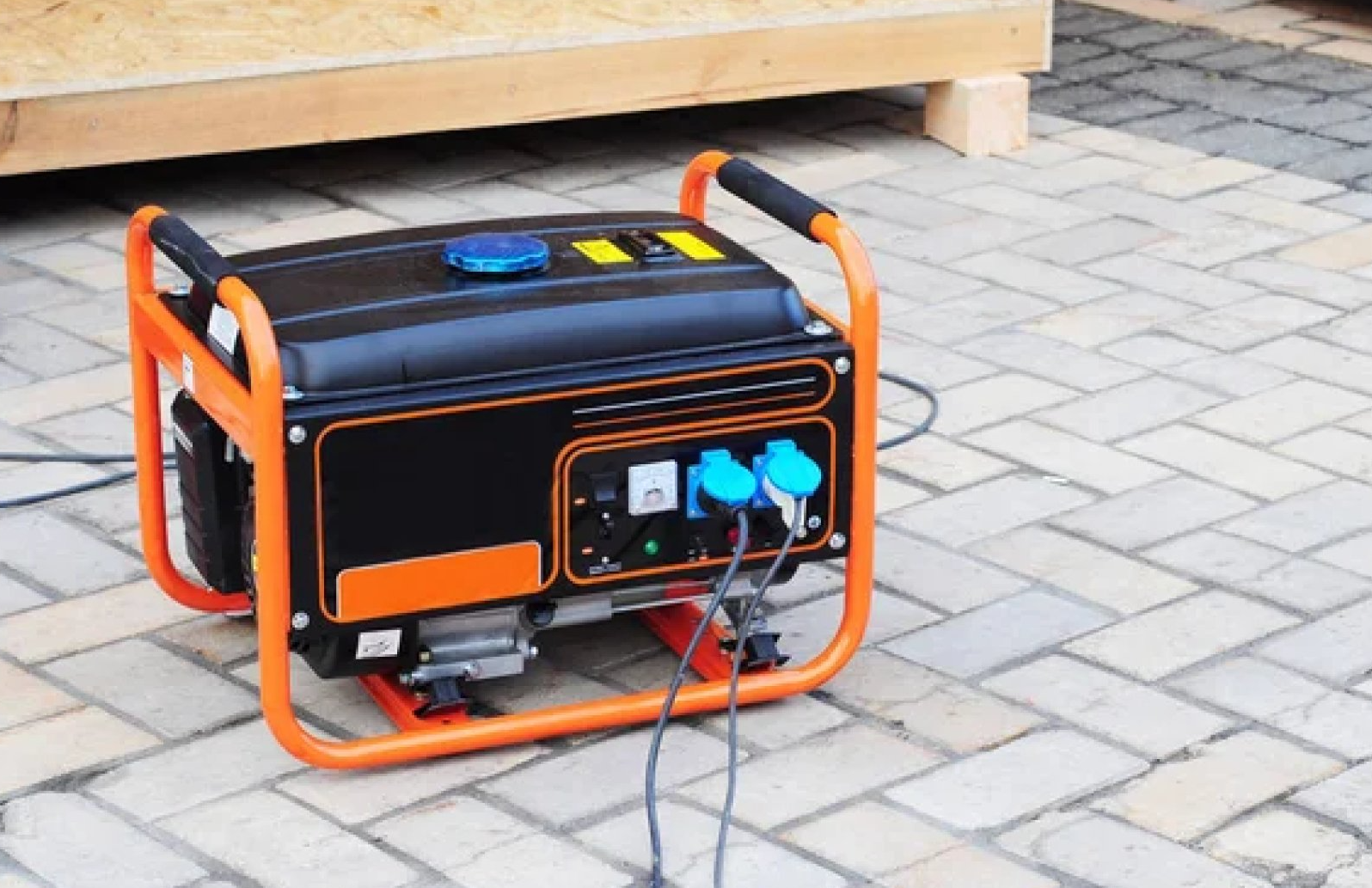
Today, a working generator is not only a technical solution for individual businesses, but also an element of national resilience in wartime. That is why the state has simplified the rules for storing fuel for generators as much as possible so that enterprises and organizations can continue to operate without interruption even during power outages. The State Tax Service of Ukraine has announced the current requirements and permitted volumes, according to "Komersant Ukrainian".
Fuel storage without licenses and permits
During the period of martial law in Ukraine, there are lenient rules for storing fuel used to power generators.
Each business entity has the right to store up to 2,000 liters of fuel at each separate facility without:
- obtaining a license;
- obtaining permits;
- going through any additional administrative procedures.
The tax service notes that this rule allows for the rapid formation of the necessary fuel reserves and ensures the uninterrupted operation of enterprises, institutions, and critical infrastructure.
If more than 2,000 liters are required
If the business needs exceed the 2,000-liter limit, the law provides for a declarative principle.
This means that the taxpayer does not need to obtain a license. It is sufficient to submit a declaration on fuel storage to the territorial tax service authority.
The document
- is drawn up in any form;
- can be submitted in paper or electronic form.
Key advantage of the declarative principle
The main feature of the simplified procedure is that the right to store large volumes of fuel arises immediately — from the moment the declaration is submitted.
No approvals, waiting for decisions, or additional checks are required.
What must be included in the declaration
The State Tax Service of Ukraine emphasizes that the declaration must contain basic information:
- information about the business entity:
company name or entrepreneur’s surname, first name, and patronymic, EDRPOU code or taxpayer registration number, location; - technical characteristics:
total capacity of tanks and containers in which fuel is stored; - storage address:
actual location of fuel containers.
Compliance with these simple requirements allows businesses to legally store fuel for generators and avoid penalties.