How a tent can help heat an apartment without electricity or heating: the “room within a room” method
27 January 12:12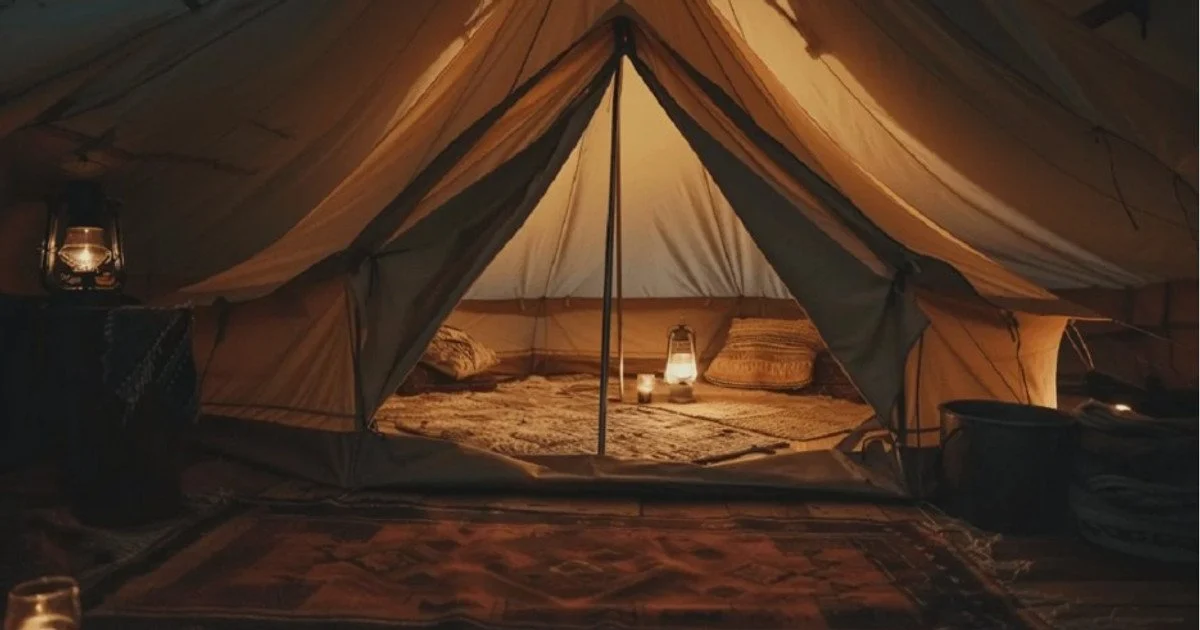
Prolonged blackouts, partial lack of centralized heating, and severe frosts are once again posing serious challenges for Kyiv residents. Given the current weather conditions, the use of alternative heating methods has become a matter of survival in their own homes.
The lack of heating and electricity is forcing Ukrainians to look for unconventional solutions to stay warm and create at least a minimum level of comfort. One such method is to set up tents at home, as a kind of “room within a room,” where you can sleep and keep warm at low temperatures.
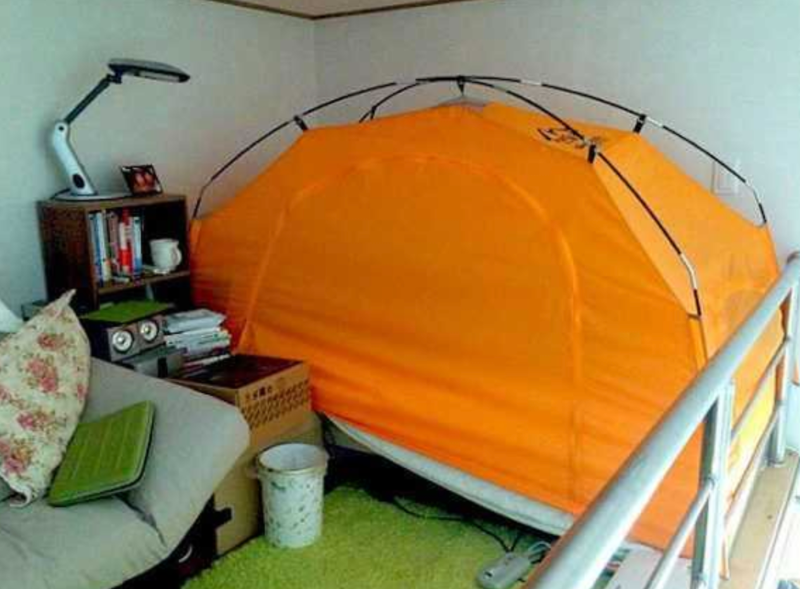
At first glance, the idea of setting up a tent in the middle of a house or apartment may seem strange, but this method of saving heat has long been used in countries with cold winters and expensive heating.
Where did the idea of placing a tent in an apartment come from?
The practice of putting up tents in living spaces has long been widespread, particularly in South Korea. In this country, central heating is usually powered by electricity, and electricity rates remain very high. In winter, the temperature in apartments often stays at 10-15 °C, as locals deliberately heat their homes to a minimum in order to reduce their electricity bills.
This is where the idea of creating a small warm space right inside the room came from. Koreans put camping tents right on their beds or on the floor, lay a mattress there, and sleep, because heat is retained much more effectively in an enclosed space. If you choose a double-layer tent, the temperature difference can reach 8–10 degrees compared to the temperature in the room.
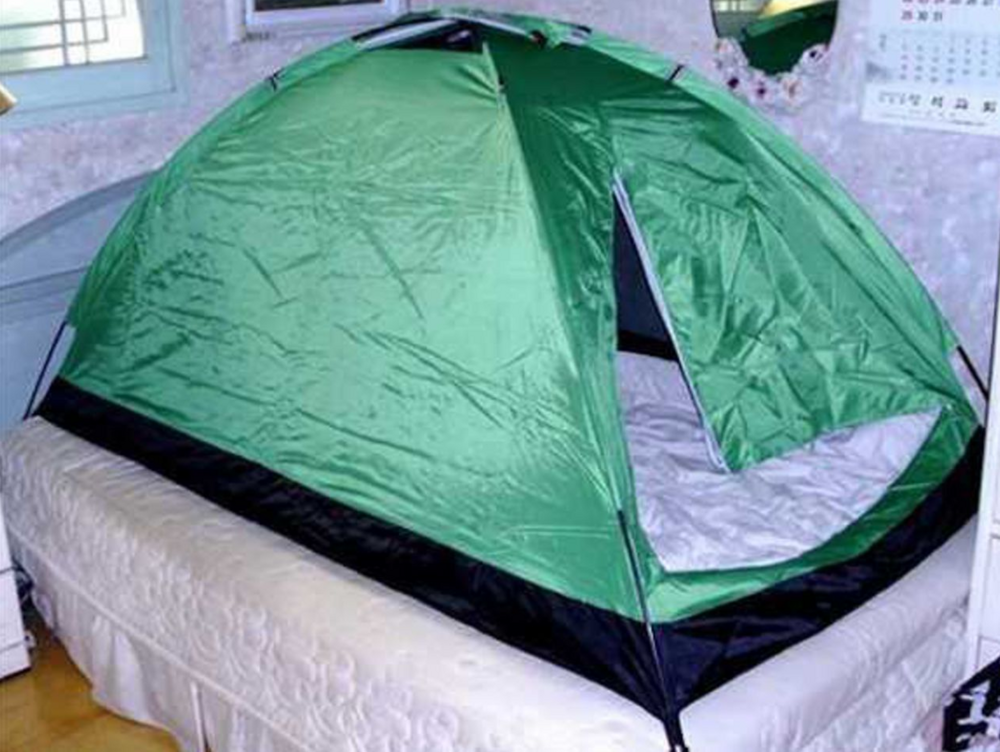
How to create a “room within a room” in your own apartment: detailed instructions
To ensure that the tent retains heat most effectively, it is important to follow these rules:
- Insulate the tent from the cold floor. It is advisable to place the tent not just on the cold floor, but on a carpet, sleeping mat, or thick blanket. In addition, it is worth spreading a mattress or thick blanket inside the tent, as this will prevent your body from coming into contact with the cold floor.
- Choose a high-quality tent. Given the severe frosts, it is better to give preference to double-layer tents, as they retain heat better. You can also choose a tent size that matches the size of your bed. This way, you can securely fix it on the bed and sleep comfortably right in the tent.
- Choosing the right location. For the most effective heat retention, the tent can be placed on the floor in the smallest room, near a wall where there are no drafts.
Why this method really works: a tent as a simple way to keep warm
The effectiveness of this method can be explained by a number of reasons:
1) The volume of space that needs to be heated is reduced;
2) The tent fabric blocks drafts and convection, so warm air does not dissipate throughout the room but accumulates inside;
3) The walls of the tent create a barrier between the body and cold surfaces, such as walls, windows, and floors, reducing heat loss.
As a result, even in a room with a temperature of 5-12 °C, you can achieve 18-20 °C inside the tent just from body heat and blankets.
What to consider when setting up a tent in an apartment
Condensation often accumulates inside the tent, as moisture from breathing settles on the fabric. Therefore, the tent should be regularly ventilated and dried.
In addition, it is important to organize your sleeping space inside the tent correctly, because the thicker the layer between your body and the floor, the warmer it will be at night. To ensure maximum comfort while sleeping, you can also use sleeping bags.
What you absolutely cannot do inside a tent: safety rules
A tent in an apartment is not intended for the use of any open flame sources. First and foremost, it is prohibited to:
- lighting candles;
- using gas heaters or stoves;
- placing any burning devices inside.
It is important to remember that even in a well-ventilated room, there is a risk of carbon monoxide poisoning and fire.
If you need an additional source of heat, you can choose a safer option: a hot water bottle, a bottle of hot water, or disposable chemical heaters.
This method does not replace heating, but it allows you to survive the coldest nights in warmth and comfort.
Author: Olya Yushko