How Ukrainians celebrate Old New Year: history of its origin, date of celebration, traditions, and prohibitions
13 January 10:07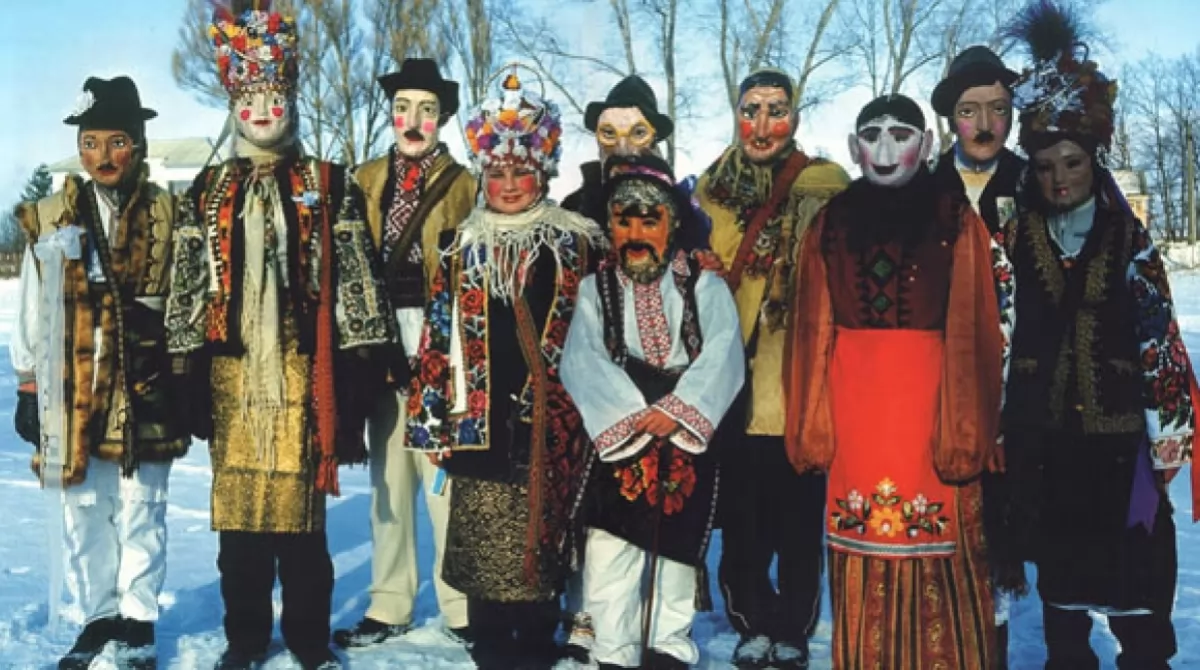
Old New Year is an unofficial holiday that is deeply rooted in Ukrainian culture. For many Ukrainians, this holiday provides an opportunity to gather with their families once again and symbolically conclude the winter holiday season. Although Old New Year does not have the status of a state or church holiday, it remains an important part of Ukrainian traditions.
What is Old New Year: how this holiday came about
For many years, Ukrainians have been seeing off the old year on December 31 and welcoming the new one on January 1. However, this holiday used to fall on a different date, which is why Old New Year began to be celebrated. The holiday appeared after the calendar reform of 1918, when Ukraine abandoned the Julian calendar and switched to the more accurate Gregorian calendar. The difference between them was 13 days, so the Old New Year began to be celebrated on January 14.
When is Old New Year celebrated in 2026: date of celebration
The date of Old New Year has remained unchanged for over a century. It is traditionally celebrated on the night of January 13-14. At the same time, in the old church calendar, January 14 was the day of remembrance of St. Basil the Great, and January 13 was the day of the Venerable Melania (Malanka). That is why many folk customs of celebrating Old New Year were closely related to Christian traditions.
However, Ukrainians’ attitude towards this holiday is gradually changing. Many Ukrainians perceive it more as a conditional date, without loud celebrations and large gatherings. At the same time, for others, Old New Year remains an additional reason to spend time with their loved ones. In Soviet times, this holiday was considered an unofficial continuation of New Year.
Traditions of celebrating Old New Year
The evening of January 13 was called Generous Evening or Malanka in Ukrainian tradition. On this day, housewives set a generous table, which had to include generous kutia, meat dishes, pies, and other dishes. It was believed that the richer the table, the more prosperous the year would be.
One of the most vivid traditions was caroling. Young people dressed up as various characters: Malanka, Vasyl, Kozak, Doctor, Gypsy, and then went caroling, wishing the owners happiness, prosperity, well-being, and all the best.
January 14 was traditionally associated with St. Vasyl’s Day. On this day, young men sowed grain in homes while singing sowing songs. It was believed that the first sower in the house would bring good luck for the whole year, and this role was traditionally entrusted to young men.
Fortune-telling occupies a special place in the traditions of celebrating the Old New Year. Girls would gather together to use candles, water, grain, or mirrors to find out about their fate and future husband.
However, after the Ukrainian Orthodox Church and the Ukrainian Greek Catholic Church switched to the New Julian calendar in 2023, these church holidays were moved to December 31 and January 1.
What not to do on Old New Year’s Eve: prohibitions that apply on this day
There are many folk omens and prohibitions associated with this holiday. It was believed that on Old New Year’s Eve, one should not:
- use foul language, quarrel, or insult others;
- bring up old conflicts;
- wish ill or complain about fate;
- borrow money or celebrate with an empty wallet.
Our ancestors believed that negative emotions on this day could lay an unfortunate foundation for the entire coming year, and that quarrels could drag on. It was also considered inappropriate to borrow money, and it was advisable to have at least a little cash in one’s wallet, because according to superstition, one should celebrate Old New Year in abundance so that the year would pass without financial difficulties.
Author: Olya Yushko