How to maintain a portable charging station: tips to extend the life of your equipment
29 January 10:17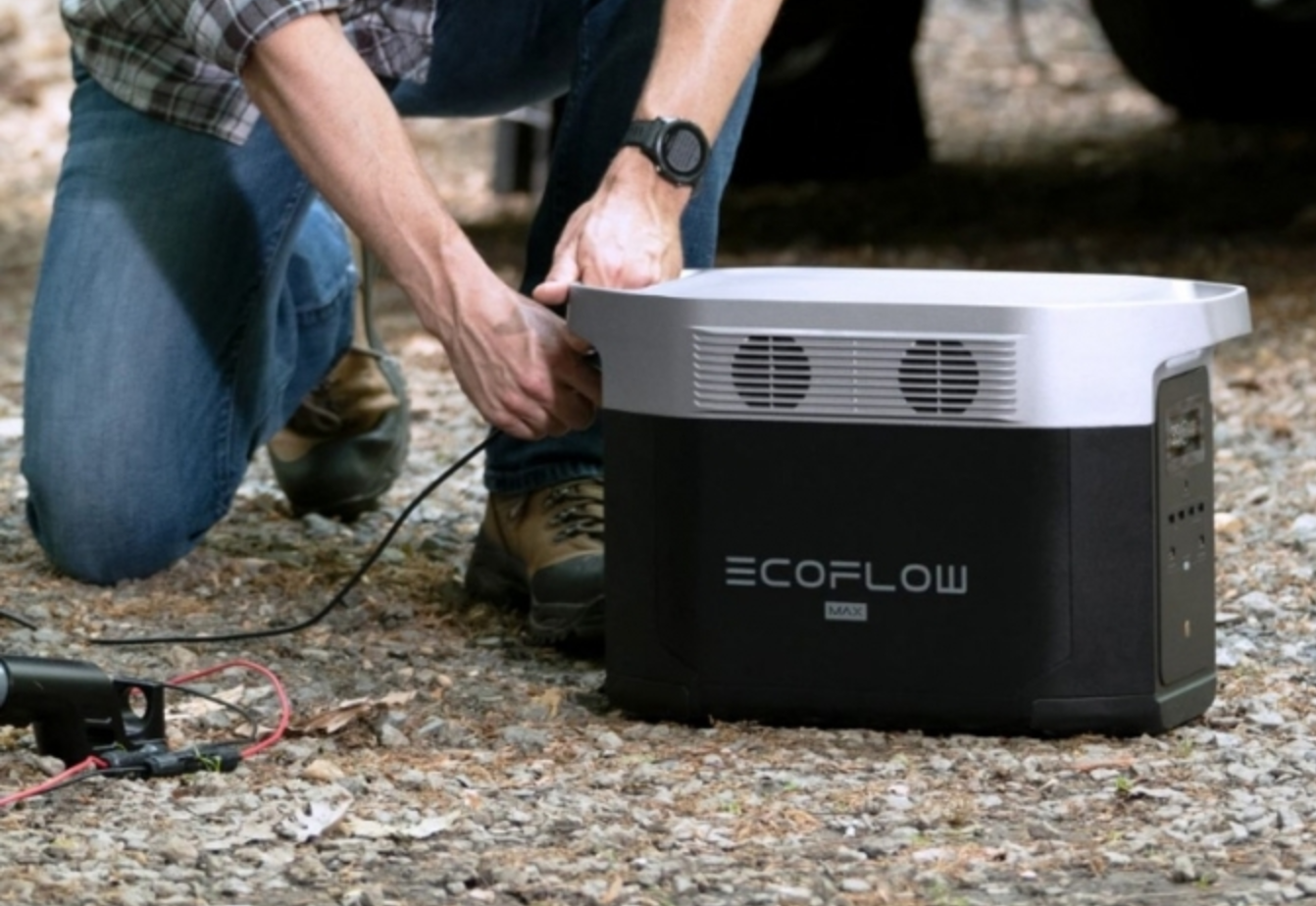
After widespread power outages, portable charging stations have become a necessity for many Ukrainians. Charging stations are used to charge devices and stay in touch with loved ones, work, and use necessary appliances.
However, if used incorrectly, even the most powerful station can quickly lose its capacity or start to malfunction. In order to keep the charging station working in Ukrainian conditions, it is important to avoid a number of common mistakes and follow certain rules. For more details, read the article "Komersant Ukrainian".
Why it is important to follow the operating conditions of the charging station
Portable charging stations are quite complex mechanisms consisting of a lithium-ion or lithium-iron-phosphate battery, an inverter that converts the current to 240 volts, a charge controller, and a battery management system that protects the cells from overheating, over-discharging, and other risks.
It follows that the main rules for preserving the longevity of a charging station are:
– stable temperatures;
– permissible loads;
– correct connection.
Overheating, failure to comply with input parameters, or disregard for the basic rules of using the station can lead to a decrease in battery capacity, emergency shutdowns, and even fire.
Which battery is better to choose: lithium-ion or lithium iron phosphate
If the station will be used daily, lithium iron phosphate batteries should be preferred, as this chemistry can withstand thousands of charge cycles and reacts more calmly to regular recharging.
Lithium-ion batteries are lighter and more compact, but more demanding in terms of storage conditions.
In many modern lithium-ion models, manufacturers directly emphasize high cyclability, which also makes them suitable for frequent use.
What you should know about operating portable charging stations: rules of use
- Avoid overheating. Heat accelerates the aging of any lithium battery. What’s more, if you place the charging station in a closed space or in a warm place (e.g., a closet, cardboard box, closed tent, or place exposed to direct sunlight), it will overheat even faster. Ventilation problems increase the risk of overheating, causing the battery’s chemical elements to rapidly degrade. In the worst case, overheating can lead to fire.
To avoid overheating, it is important to follow these rules:
- place the charging station on a solid, level surface;
- Leave at least 10-20 cm of free space around it to ensure air circulation.
- Do not cover the case or block the ventilation openings.
- keep away from batteries, heaters, and direct sunlight.
- Do not discharge to zero. One of the most common mistakes is also using the charging station to 0% and storing it in a discharged state for a long time. Deep discharge has a detrimental effect on the battery, so the battery management system may preventively block the battery (for safety reasons), and the capacity of the cells may be irreversibly reduced. For daily use, keep the charge between 20-80%, and for storage for several weeks/months, charge to approximately 40-60% and recharge every few months. However, due to different types of batteries, these figures may vary slightly, so it is advisable to check the user manual for your specific model.
- Leave a power reserve for “hidden kilowatts.” Most household appliances consume 2-3 times more energy during startup than indicated in their specifications. Users often only take into account the nominal power of the appliance, forgetting about the starting currents, which can lead to overheating of the inverter and shutdown of the charger.
To avoid overheating the inverter and emergency shutdowns, try to leave a power reserve by adding approximately 25-30% to the planned load, do not turn on several devices with significant energy consumption at the same time (for example, a refrigerator, kettle, and hair dryer). If you need to connect appliances with high energy consumption, choose a station with sufficient peak power.
- Avoid improper connections to your apartment: the “plug-plug” method and other homemade schemes. The most dangerous mistake is trying to power your apartment using the “plug-plug” method or cheap extension cords that are not grounded. When the centralized power supply is restored, the reverse current can damage the charging station’s electronics or even cause a fire in the apartment. The connection of backup power sources should only be performed by a professional electrician with the connection of a special backup input switch. In addition, during power surges, it is advisable to unplug the charging station from the outlet, as they can damage the input power circuits.
How to calculate the actual capacity of a charging station
Considering that part of the energy is used to power the inverter and convert the voltage, to calculate the actual capacity, you need to multiply the watt-hours declared by the manufacturer by a factor of 0.8.
For better charge economy and longer station life, it is advisable to charge small devices, such as laptops and phones, using the built-in USB-C port.
Fire safety: what you absolutely cannot do with the station
Recently, there have been more frequent cases of charging stations catching fire, often leading to fires. Modern chargers do not detonate like explosives, but improper use can cause a so-called thermal runaway.
This phenomenon is a chain reaction in which an overheated or damaged cell begins to emit heat and heat adjacent cells. To avoid a fire in the charging station, follow these rules:
- do not use damaged cables and connectors;
- do not use the station in the rain and avoid moisture;
- Do not cover the case or block the ventilation to avoid overheating.
- Do not disassemble or repair the station yourself: incorrect interference with lithium systems can create a risk of thermal runaway.
If you smell something burning, see smoke, or notice that the device has started to overheat rapidly, immediately disconnect all connections, move the station to a safe place, and call the fire department if necessary.
Author: Olya Yushko