How to make new tariffs of Ukrzaliznytsia reasonable and understandable for business
13 December 2024 13:48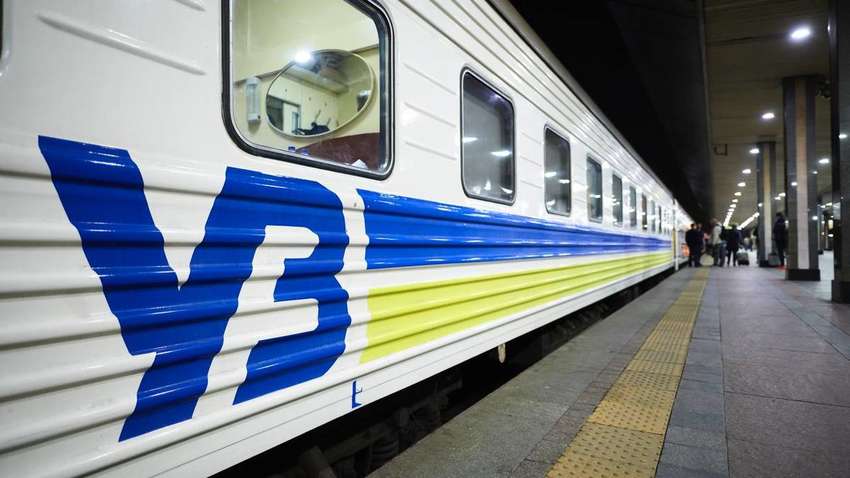
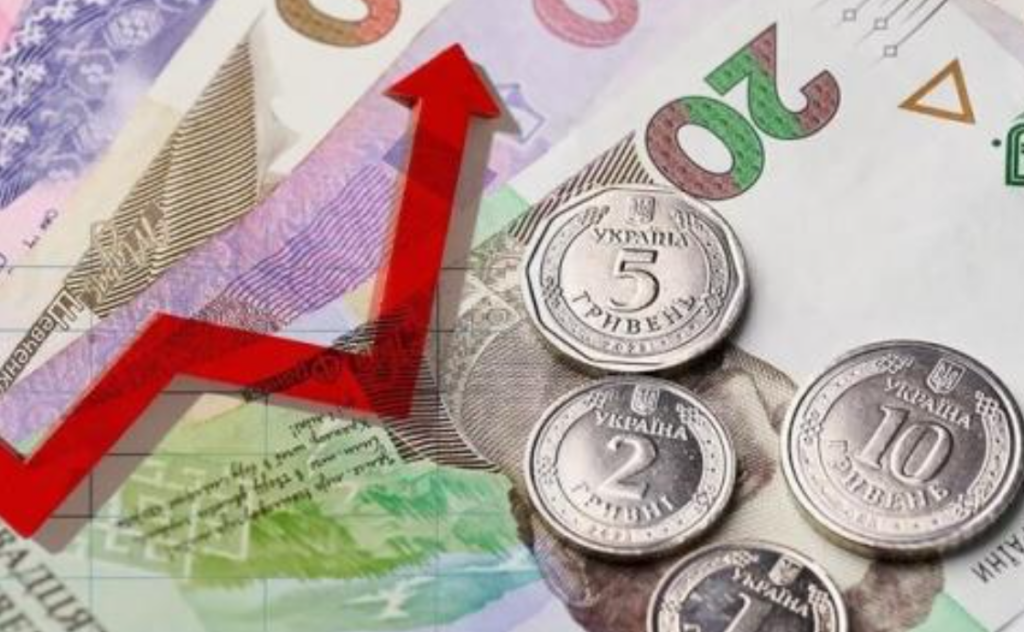
The announcement by Ukrzaliznytsia of a 37% increase in freight transportation tariffs has caused negative reactions among businesses. According to Yuriy Shchuklin, a logistics market expert and member of the EBA Logistics Committee, the biggest market outrage is caused by the fact that the tariff increase is taking place against the background of non-transparency of the railroad’s costs and the lack of plans to eliminate the shortcomings of its operations, "Komersant Ukrainian" reports.
The expert emphasizes that for a monopoly such as Ukrzaliznytsia, it would be logical and justified to demonstrate the structure of its costs for the provision of services: staff salaries, depreciation of equipment, fuel costs, etc. (as is done in gas or electricity delivery services).
If this condition were met, consumers of a monopoly service would be sure that they were paying for both the cost of the service and the acceptable (because it is a monopoly) profit of the provider.
“Instead, we see that the cost structure, operational efficiency indicators, and the cost of maintaining the administrative staff of Ukrzaliznytsia are a secret behind seven locks. It simply calculated how much money it lacks for all its unlimited operations, for the maintenance of all infrastructure with inactive sections, all parks with departments, including redundant and inefficient ones, including the commercial department. I calculated it myself, announced the figure myself, and spent it myself. So, sorry, this is not about the tariff for services, but rather a tax on the maintenance of Ukrzaliznytsia, where every cargo owner is forced to pay for all the shortcomings of its internal organization, including unnecessary assets, inefficient departments, and unproductive expenses. This is what causes business to be outraged,” emphasizes Yuriy Shchuklin.
According to the expert, the increase in tariffs may have a critical impact on manufacturers who are on the verge of profitability, forcing them to switch to motor vehicles or shut down their operations. This, in turn, will lead to a decrease in the cargo base of Ukrzaliznytsia, which has been formed over the years, and a loss of expected revenues.
“The business understands that with the current shortage of personnel, Ukrzaliznytsia cannot retain its staff without raising salaries, and the consequences of the outflow of its active staff will be painful for all industries. But what about a business that has built a new plant, generates added value, produces a product that becomes a cargo for some time (regardless of what it may be), and is told: you, my friend, have to maintain all those abandoned branches with the ground under them, all the unaccounted losses, and also our commercial department with its unique sales strategy. And the owner naturally thinks: if I start maintaining everything, from unnecessary assets and operations to “speed up” friendly cargo to outdated mechanics with inefficient parasitic functionaries, the point of my production is completely lost,” states Yuriy Shchuklin.
The member of the EBA Logistics Committee emphasizes that Ukrzaliznytsia has all the organizational and technical capabilities to make the new tariffs clear and reasonable for cargo owners.
Ukrzaliznytsia should start such a dialogue by returning responsibility for meeting delivery deadlines, as cargo owners have the right to demand not only basic fulfillment of obligations, but also acceptable quality of the monopoly service. The next step should be to develop a transparent methodology for calculating the costs of transportation (not generalized), maintenance of railway infrastructure and its sections involved in each individual route, individual operations in motion, and other distributed railway services. This methodology should be used in modern digital automated systems.
The expert believes that the introduction of these changes will ensure transparency for each individual customer and each individual railroad shipment, as well as close the painful topic of one type of cargo subsidizing another.
“Ukraine has a serious railway scientific base and specialists capable of developing both a methodology and automated systems that will differentially calculate the cost of any transportation per second, without a single commodity cashier. In any case, we will have to do this to comply with the requirements of the European Directives. So why not start doing it now, without waiting five years? Instead of waiting for the new law “On Railway Transport” to come into force, Ukrzaliznytsia can start working according to its key principles right now, creating the basis for an honest dialogue with business,” concludes Yuriy Shchuklin.