Japan refuses to use $30 billion of frozen Russian assets for reparations loan to Ukraine
9 December 2025 10:30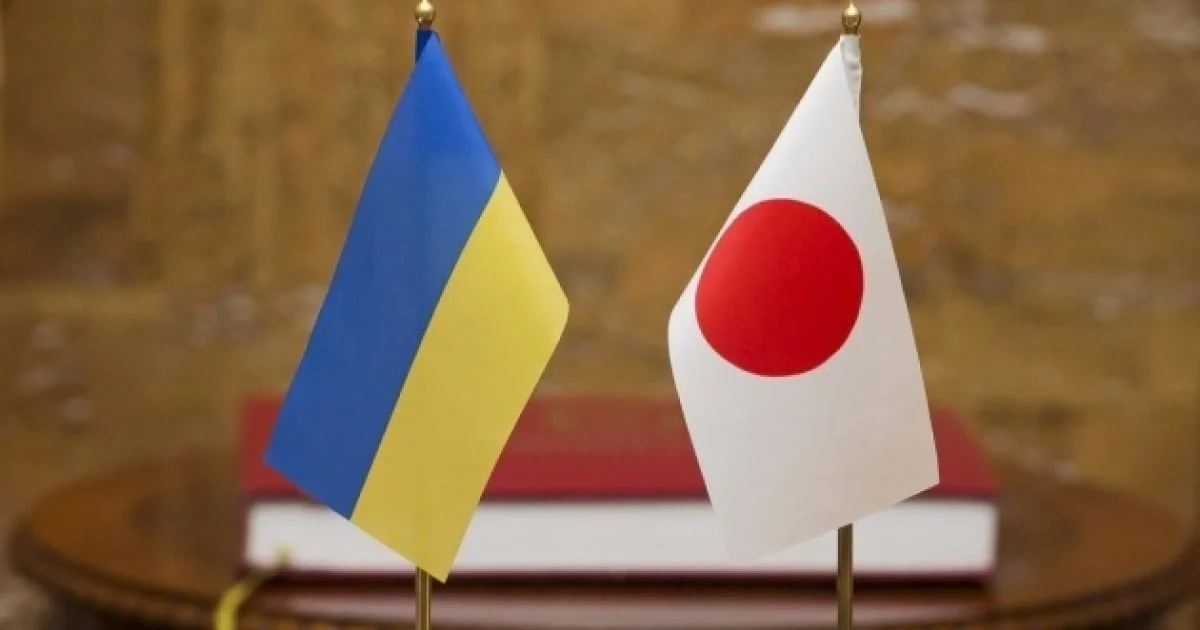
Japan has rejected the EU’s offer to provide frozen Russian assets to Ukraine as a reparations loan, sources in the European Diplomatic Service told Politico, "Komersant Ukrainian" reports.
According to them, this issue was discussed during a meeting of finance ministers of the Group of Seven (G7) countries on December 8. Japanese Finance Minister Satsuki Katayama ruled out the use of Russian funds as part of the aid to Kyiv, explaining this decision by legal problems. At the same time, according to Politico sources, Tokyo’s position is related to the fact that the United States opposes the provision of Russian assets to Ukraine, and the Japanese authorities “do not want to go against their key ally.”
After the outbreak of a full-scale war in 2022, Western countries and their allies froze about 260 billion euros of the Bank of Russia’s assets. Most of these funds – about 193 billion – are kept in Belgium in the accounts of the Euroclear depository. Japan has about $30 billion. Over the past three years, European leaders have repeatedly discussed the possibility of confiscating Russian assets to help Ukraine. At the end of November, European Commission President Ursula von der Leyen proposed to provide Kyiv with a €140 billion reparations loan secured by assets. Belgium, Euroclear, and the European Central Bank opposed this decision. They considered it legally and financially risky.
In its peace plan, the United States proposed a different use of Russian assets. In particular, it was planned to allocate $100 billion to rebuild Ukraine under the auspices of Washington. The American side was to receive 50% of the profits from this, and Europe was to add $100 billion to increase its investment in Ukraine. The rest of Russia’s assets were to be invested in US-Russian projects. According to Politico’s interlocutors, European officials were outraged at the prospect that the United States would take some of the assets, even if they were nominally used to rebuild the Ukrainian economy, and share the rest with Russia. Later, as Bloomberg wrote, the clause on unfreezing Russian assets was removed from the American peace plan.