Egypt is turning off the lights and curtailing the hours of cafes and shops: what happened
19 March 00:28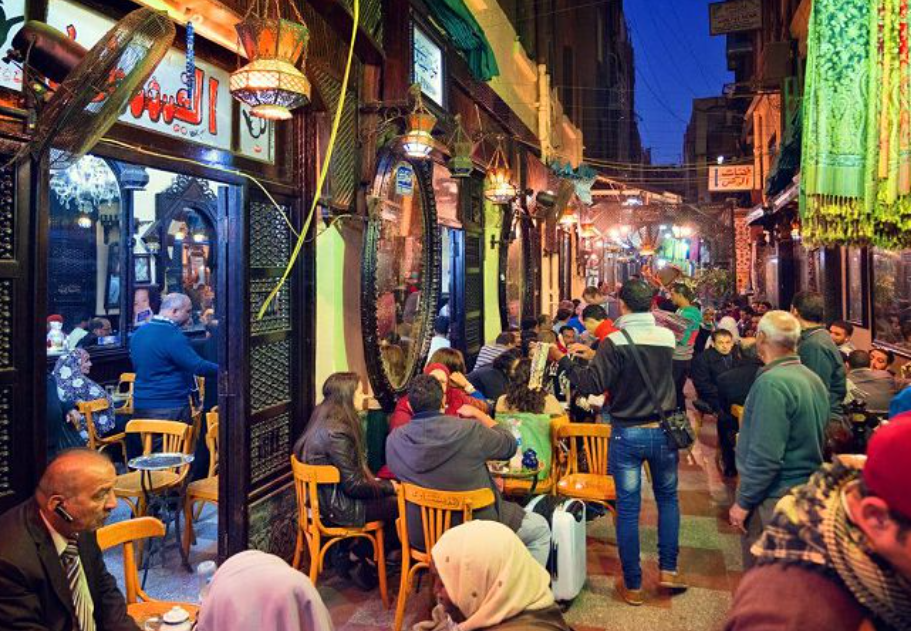
Egypt is introducing new restrictions on electricity consumption due to a sharp rise in gas and oil prices amid the conflict surrounding Iran. The government has decided to reduce street lighting in cities, limit business operations, and is even considering having some employees switch to remote work. This was reported by Bloomberg, according to "Komersant Ukrainian"
Why Egypt Has Begun Conserving Electricity
As Egyptian Prime Minister Mostafa Madbouly stated, the country is forced to implement energy-saving measures due to rising energy prices on global markets.
Egypt relies heavily on natural gas imports for electricity generation, so any global conflicts affecting fuel prices directly impact the country’s economy.
Before the war began, Egypt’s spending on gas imports amounted to approximately $560 million per month; however, following the escalation of the conflict, these costs have nearly tripled—reaching $1.65 billion monthly.
What restrictions are being introduced in Egypt
The new rules will take effect on March 28, 2026.
Key measures include:
- shopping centers, restaurants, and stores must close at 9:00 PM on weekdays
- on weekends, they will be allowed to operate until 10:00 PM
- Advertising billboards will be turned off
- Street lighting will be reduced to the minimum safe level
- some government offices will operate until 6:00 PM.
Authorities are also considering the possibility of having public and private sector employees work remotely for 1–2 days a week.
Why this is a significant step for Egypt
Such restrictions are unusual for Egypt, as the country, with a population of over 110 million, has a vibrant nightlife, and late-night shopping and dining are part of the culture.
However, the government is trying to avoid an even more unpopular decision—raising fuel prices, which has already happened previously.
According to the prime minister, energy conservation should help stabilize the economy without placing additional financial pressure on the population.
How the war in the Middle East is affecting the economy
The conflict surrounding Iran has caused instability in the Persian Gulf, leading to higher oil and gas prices.
For energy-importing countries, such as Egypt, this means:
- increased budget expenditures
- inflation risks
- the need to conserve resources
- the introduction of restrictions
Will the restrictions be permanent?
The Egyptian government has stated that these measures are temporary. They will be reviewed in about a month.
If the energy crisis eases, the restrictions may be lifted.