The European Commission approved the toughest package of sanctions against Russia: how it happened and what to expect next
19 September 2025 16:17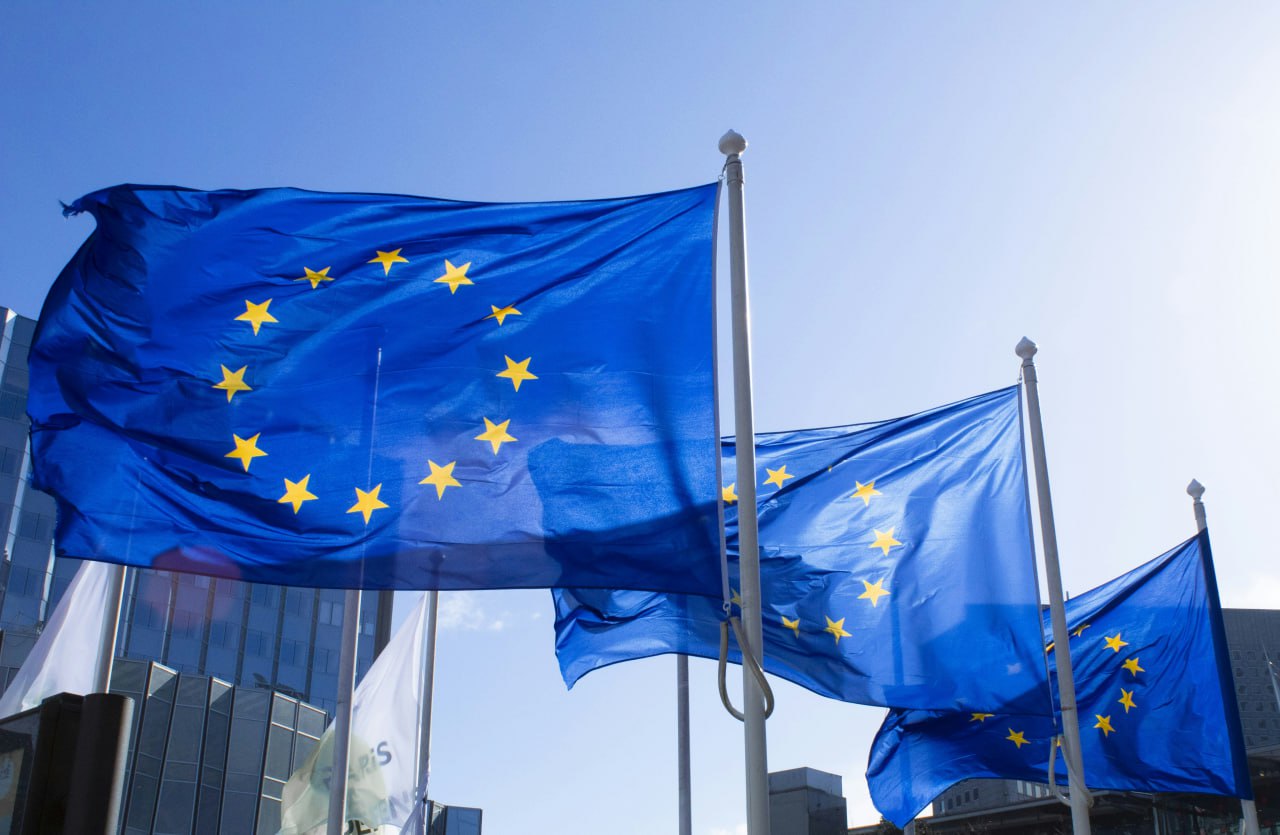
The European Commission has approved the 19th package of sanctions against Russia as another response to its aggression, violation of international law, and military actions against Ukraine. This was announced on September 19, 2025, at a briefing by EC spokesperson Paula Pinho, "Komersant Ukrainian" reports.
The new package targets “key sectors that support Russia’s war,” including energy, finance, technology, and entities that facilitate sanctions evasion or assist in the Russian military industry.
European Commission President Ursula von der Leyen on the new package of sanctions against Russia: direct speech
Russia’s military economy is supported by fossil fuel revenues. We want to reduce these revenues. That is why we are banning the import of Russian liquefied natural gas to European markets. It is time to turn off the tap. We are ready for this.
The President of the European Commission also emphasized that:
…we (the European Commission – ed.) have just reduced the price of crude oil to $47.6. To strengthen control, we are imposing sanctions on 118 more shadow fleet vessels. In total, more than 560 vessels are currently under EU sanctions. The main energy trading companies, Rosneft and Gazprom Neft, are now completely banned from transactions.
Ursula von der Leyen emphasized the following point:
“We are targeting refineries, oil traders, petrochemical companies in third countries, including China. Over the past three years, Russia’s oil revenues in Europe have decreased by more than 90%. Now we are closing this page forever.
The new package of sanctions against Russia from the European Union: nuances
Some of the provisions may come into force or be applied only after the adoption of bylaws or specific rules.
There is a question of how quickly countries dependent on Russian energy resources will adapt to the LNG ban, both in terms of infrastructure and economics.
Potential impact of the 19th package of sanctions on the parties to the conflict
For Russia, this means
- reduced revenues from energy exports. The ban on LNG could significantly complicate its position in the global energy market;
- restricted access to technology and data may slow down the development of Russia’s military and technological sphere;
- increased risk of pressure through international financial networks and disruption of sanctions circumvention.
For the EU and its member states:
- countries that still import Russian gas or LNG will have to look for alternative supplies. This may create time costs, investment costs, and price increases;
- increased dependence on international cooperation, infrastructure modernization, and renewable energy development;
- the issue of supporting countries with a high dependence on Russian fuel (e.g., Hungary, Slovakia) may cause political controversy.
the 19th package of EU sanctions against Russia should be another step towards increasing economic and technological pressure on Moscow. The main goals are to limit the budget revenues of the Russian Federation, make it more difficult to evade sanctions, and weaken Russia’s ability to use technology and energy resources to support its military machine.
However, much of the effectiveness will depend on how quickly and clearly EU member states can implement these restrictions, how the energy market reacts, and how much opposition there will be from those who lose out on the benefits of the old model of energy trade with Russia.
Read also: EU is preparing a new blow to the Russian energy sector: 19th package of sanctions approved
The European Commission has approved the 19th package of sanctions against Russia: what preceded it
As The Wall Street Journal wrote a little earlier, the adoption of the new package faced difficulties and disagreements among the allies themselves, as Brussels tried to find a compromise on Donald Trump’s demands. The US president demands a complete embargo on Russian oil and the imposition of duties against India and China, which continue to buy energy from Moscow. However, the EU rejects this idea, preferring targeted sanctions against individual companies and individuals to avoid a large-scale trade war.
After the talks with Trump, European Commission President Ursula von der Leyen promised that the 19th package would contain restrictions on the Russian banking sector, the cryptocurrency market, and the energy sector. It is expected that several Chinese companies will be added to the sanctions list, and that pressure will be maintained on the Russian LNG market, whose imports to Europe reached $27 billion in 2024.
EU diplomats are concerned that Trump’s demands are deliberately formulated in such a way that they are impossible to fulfill. This would allow Washington to blame Brussels for the lack of new tough measures against the Kremlin and thus relieve the United States of some of its political responsibility.
At the same time, America itself refrains from large-scale sanctions, limiting itself to tariffs against India for purchasing Russian oil. The EU is trying to maintain a balance between pressure from Washington and its own economic interests, as it is important for it not to lose access to Chinese markets and at the same time reduce its dependence on Russian energy.
The discussion is complicated by the position of some members of the bloc. Slovakia and Hungary are categorically against a sharp reduction in Russian oil and gas imports. Slovak Minister of Economy Denisa Sakova said that her country is ready for energy diversification, but only after creating alternative supply routes.
Дивіться нас у YouTube: важливі теми – без цензури
Hungarian Minister Gergely Gulyás confirmed that Budapest would veto any EU decisions that could “jeopardize the security of energy supply.”
Читайте нас у Telegram: головні новини коротко