The EU may postpone a ban on Russian oil and gas due to the war in Iran – Bloomberg
21 March 10:16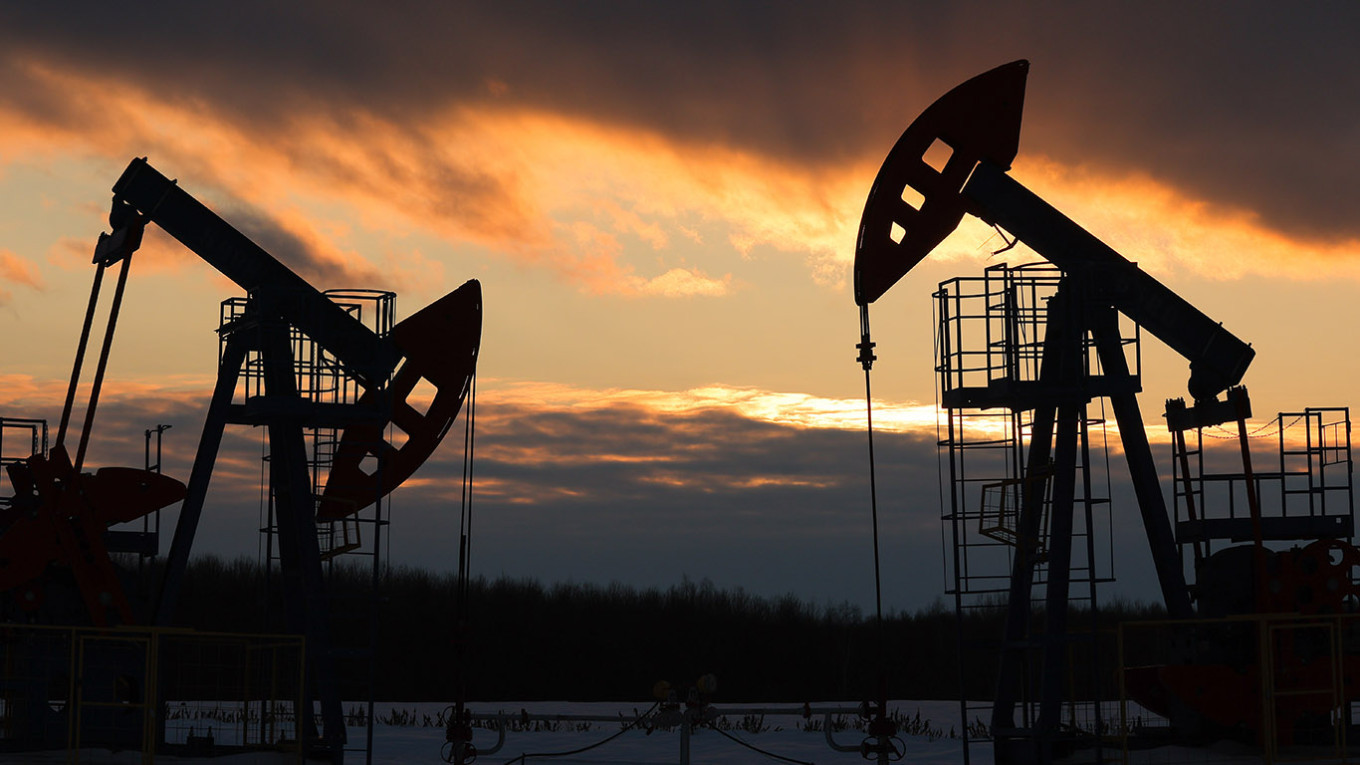
The European Union may postpone the introduction of a ban on Russian oil and gas imports due to the U.S.-Israel war against Iran, which has disrupted energy supplies from the Persian Gulf.
Bloomberg reports this, citing informed sources, according to [Komersant].
According to the agency, the EU, in particular, wanted to phase out Russian gas, believing it could compensate for the shortfall by increasing supplies from the Middle East, but these plans are now in jeopardy.
The key reason is Iran’s blockade of the Strait of Hormuz—the most critical energy artery through which about 20% of global oil supplies and up to 30% of liquefied natural gas (LNG) pass. According to Bloomberg sources, Iranian officials are not yet willing to even discuss the issue of reopening the strait. Even if the war in the Middle East ends, there is a risk that shipowners will refuse to pass through the strait for some time, noted a high-ranking European government official.
The situation is exacerbated by Iran’s strikes on the energy infrastructure of Persian Gulf countries. In particular, the Iranian military launched a missile strike on the industrial city of Ras Laffan in Qatar, home to the world’s largest LNG production complex. QatarEnergy CEO Saad al-Kaabi stated that it will take three to five years to restore the damaged capacity (12.8 million tons of LNG per year).
The consequences have already been felt in the market: on March 19, the price of gas in Europe soared by 32%, to 72 euros per MWh ($873.5 per thousand cubic meters). Bloomberg notes that the crisis is heightening global concerns about energy supplies, and the strikes on Ras Laffan effectively remove Qatar from the list of reliable suppliers for several years. The European Central Bank warns that a prolonged disruption could push inflation in the eurozone up to 6.3% and trigger a short-term recession.
According to Bloomberg, the current situation is becoming a “huge gift” for Vladimir Putin, who is already benefiting from rising global oil prices, which are helping to finance the war in Ukraine. EU officials are losing confidence that the U.S. and Israel have a plan to resolve the crisis and fear deeper economic turmoil in the future, the agency reports.