EU to impose duties on Russian grain imports
19 March 2024 13:42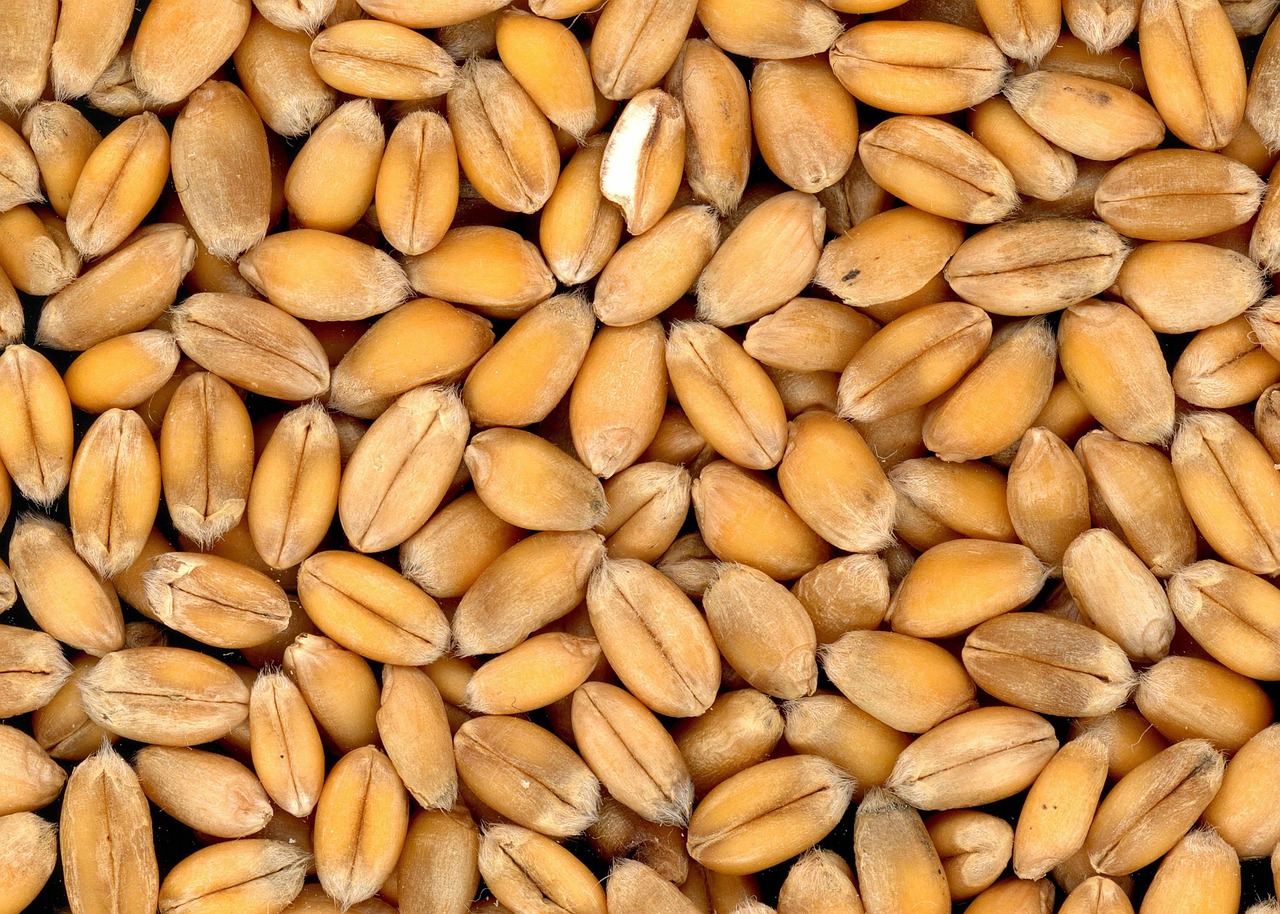
The European Union is preparing to impose duties on grain imports from Russia and Belarus. This was reported by the Financial Times, citing its own sources, Komersant ukrainskyi reports 
The duty is expected to be 95 euros per tonne of grain. This will increase its price by 50% and make the product economically unattractive to buyers. The same measure will be applied to oilseeds and their products.
In general, the European Commission is planning to “destroy” Russian and Belarusian products on the European market.
Discussions about imports of Russian and Belarusian grain have intensified amid growing farmers’ protests, which, among other things, are also against Ukrainian imports. In response, representatives of a number of European governments reminded that the EU has been successfully importing Russian and Belarusian grain for two years of war, and for some reason no one has protested against it.
At one time, Russian food was not subject to European sanctions, as it was believed to be part of global food security. As a result, imports of Russian and Belarusian grains and oilseeds reached a record 4 million tonnes in 2023.
The publication reports that the European Commission is likely to choose the customs mechanism, as sanctions require the approval of all member states, while the introduction of a duty does not.
The preferential trade regime and its opponents
Many EU members do not like the quota-free import of Ukrainian products into the EU, which has been in place since 2022. In particular, a number of Eastern European countries are demanding that the EU impose import duties on Ukrainian goods, citing unfair competition. The agriculture ministers of Bulgaria, Poland, Hungary, Romania and Slovakia sent a letter to the European Commission asking for action and claiming that cheaper agricultural products from Ukraine were swallowing up their markets. Six major European farmers’ associations also strongly protested against Ukrainian products.
Despite this, the European Parliament extended the liberalisation of the trade regime with Ukraine and Moldova until 5 June 2025. At the same time, the EU made concessions to the demands of these countries and farmers. In particular, the European Commission can now take any necessary measures in the event of significant disruptions in the EU market or in the markets of one or more EU countries due to Ukrainian imports.
It also provides for the possibility of emergency braking for particularly sensitive agricultural products, namely poultry, eggs and sugar. This means that if imports of these products exceed the average volumes of 2022 and 2023, tariffs will be reintroduced.