Europe is interested in keeping Ukrainians, not returning them home – demographer
2 December 2025 13:12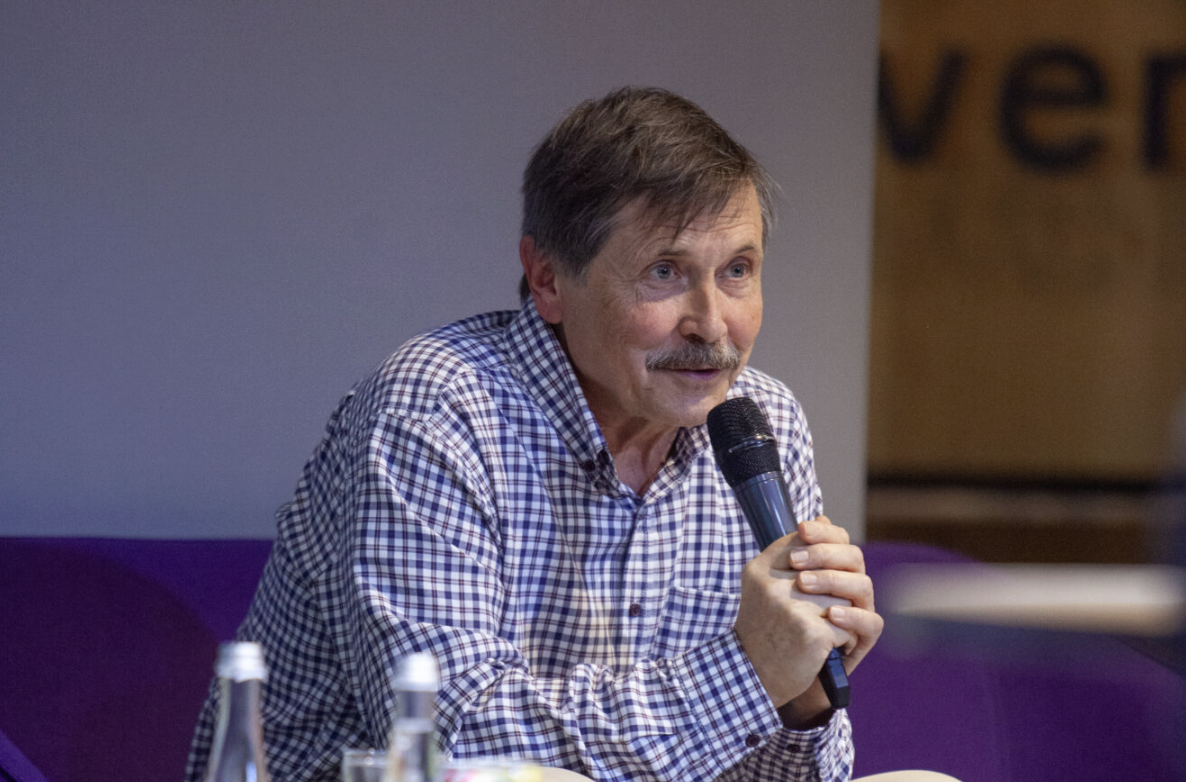 OPINION
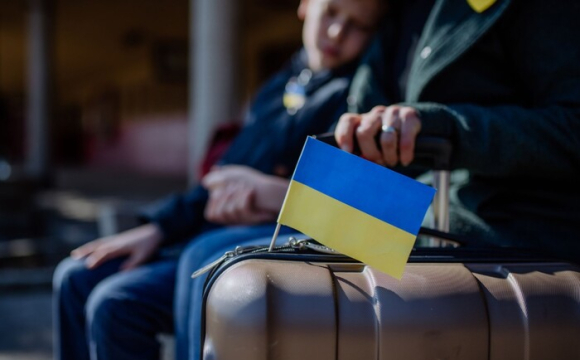
Despite statements by some EU countries about their intentions to return Ukrainian refugees home, the real chances of a mass return of more than five million forced migrants after four years of war remain low. European states have already built their own long-term strategies that are aimed at retaining Ukrainians rather than returning them. This was stated by demographer Oleksandr Gladun in a commentary to "Komersant Ukrainian".
“European countries are interested in keeping our forced migrants there. Why? Because in terms of the gender and age structure, only 6% of people aged 65 and older are there. Pensioners stayed in Ukraine, while children and the working population are abroad,” emphasizes Gladun.
According to the expert, the policy of “pushing” Ukrainians back is unlikely to be widespread. According to him, the European Union has already given its member states the ability to determine the conditions of stay for Ukrainians, and most states areeager to keep them.
“I doubt very much whether there will be an active policy of, let’s say, squeezing our people back. Most European countries have long been pursuing an active adaptation policy: language courses, kindergartens, schools. They attract people because they need an able-bodied population,” Gladun notes.
He reminds that the EU countries have officially extended the temporary protection program for Ukrainian citizens until March 4, 2027. After that, each country will make its own decisions on extending the stay of Ukrainians, adds Gladun.
“Although severe scenarios are unlikely, internal political factors in the EU, as well as the situation in Ukraine, may affect the mood and scale of Ukrainians’ return home,” he summarized.
As a reminder, opinion polls show that while at the end of 2023 only 26% of Ukrainians planned to emigrate, in April 2025 the number increased to 45%. In addition to the war, the migration situation in Ukraine is complicated by a number of internal factors, such as a sense of injustice and the closure of social elevators.