Zelenskyy’s European tour: 5 key requests from Ukraine and their chances of success
11 October 2024 07:26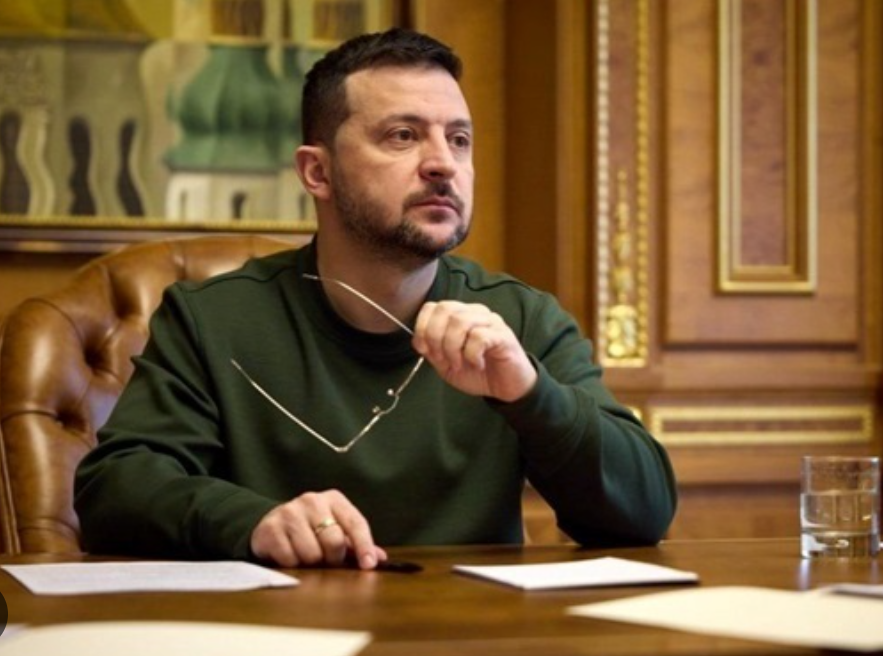
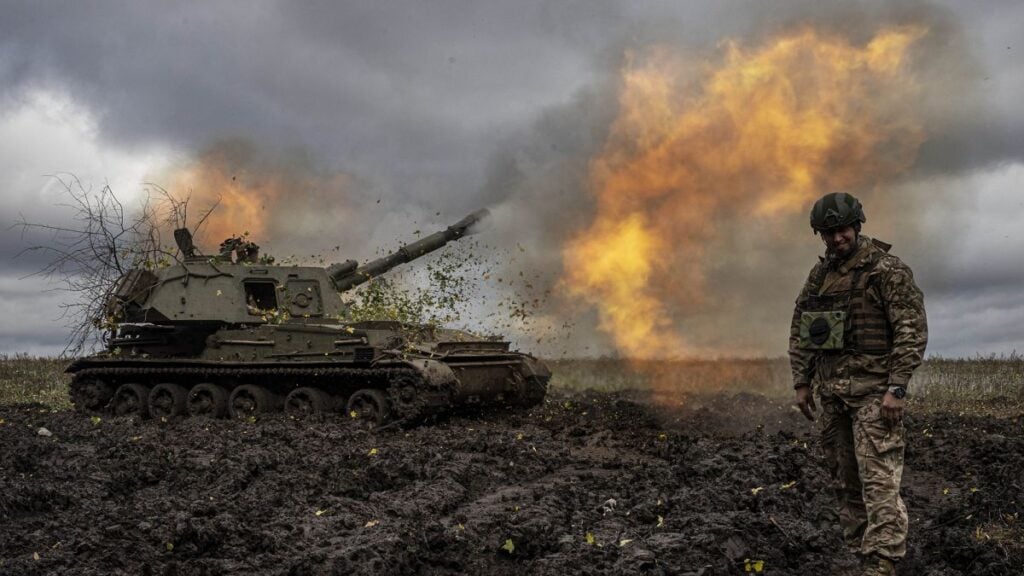
Ukrainian President Volodymyr Zelenskyy is on a tour of major European capitals to persuade the leaders of the UK, France, Italy and Germany, along with the new NATO secretary general, to offer further military assistance. Politico has analysed Zelenskyy’s five most popular requests and assessed the chances of getting them, "Komersant Ukrainian" reports
The Ukrainian president started in London, where he presented his plan to Prime Minister Keir Starmer and NATO Secretary General Mark Rutte.
According to him, it is “aimed at creating the right conditions for a fair end to the war… Ukraine can only negotiate from a strong position”.
He also – again – asked for permission for Kyiv to use the provided weapons to hit targets in Russia that the US has been blocking.
“From a legal point of view, this is possible, because legally Ukraine is allowed to use its weapons if they can hit targets in Russia, if these targets pose a threat to Ukraine,” Rutte said.
Zelenskyy made the same requests to President Emmanuel Macron in Paris on Thursday afternoon, and will then end the day in Rome with Prime Minister Georgia Meloni, who is a strong supporter of Kyiv but adamant that Italian weapons cannot be used inside Russia.
After breakfast with the pope on Friday, Zelenskiy heads to Berlin to meet with Chancellor Olaf Scholz, Ukraine’s biggest military supporter after the US, but also the one who refuses to give the long-range Taurus cruise missiles for fear of provoking Russia.
Politico has reviewed Zelenskyy’s five biggest requests during his European tour and rated his chances on a scale of 1 to 5, with 1 meaning almost no chance and 5 meaning very likely.
Road to NATO
Some form of commitment to NATO membership is a big part of Kyiv’s plan to end the war, as it is seen as the only way to prevent another Russian attack.
But getting a clear invitation in the near future will be a big ask.
While NATO says Ukraine is on track to join one day, there is no time frame – the US and Germany lead a group of sceptics concerned about Kyiv’s acceptance.
Instead, Kyiv has begun signing 20 bilateral security agreements with various allies aimed at establishing closer security ties, but they do not provide anything like the security guarantees that NATO membership does.
Chances of success: 1
Protecting Ukraine’s skies
A practical step would be to get Western allies closer to the front line – essentially Poland and Romania – to use air defence assets to shoot down Russian drones and missiles flying over western Ukraine.
At the moment, this is absolutely impossible, as the allies are concerned about the possibility of direct conflict with Russia.
This caused some surprise in Kyiv when diplomats pointed out that the US, together with Israel, is using its air defences to shoot down Iranian missiles. Kyiv is calling for “the same determination” in defending Ukraine “against Russian missile and drone attacks.”
Chances of success: 1
A related issue is also to convince leaders in European capitals to send more air defence systems that the Ukrainian army can deploy on its own, with the promise of new Patriot platforms and Franco-Italian SAMP/T units as a key target.
Despite promising statements over the summer, deliveries have stopped, but promises continue.
Chances of success: 4
Ukraine’s right to strike deep into Russia
Zelenskyy has been pushing hard for a review of restrictions that prevent Ukraine from striking deep into Russia with the weapons it has been given.
Despite Rutte’s support, capitals fear that allowing deep strikes could provoke a wider war or even a nuclear response from Russia.
Chances of success: 1
Delivery of Taurus missiles
The US, UK, France and Italy have sent Ukraine a limited supply of long-range missiles, although they do not want them to be used in Russia.
Germany has steadfastly refused to allow the shipment of its powerful Taurus cruise missiles.
Despite pressure from his coalition partners to change his position, Scholz has responded with a consistent and categorical “no”.
Chances of success: 1
To make Ukraine an arsenal of democracy
The Ukrainian government also wants to attract investment in its own arms industry, which will boost the country’s economy and provide it with weapons it can use against Russia.
Defence companies such as Rheinmetall, Nammo and Saab have already agreed on some form of localised artillery and armoured vehicle production programmes. Denmark, Canada and Lithuania also place direct orders with Ukrainian companies.
Chances of success: 5