European Central Bank refuses to guarantee €140 billion loan to Ukraine – FT
2 December 2025 10:37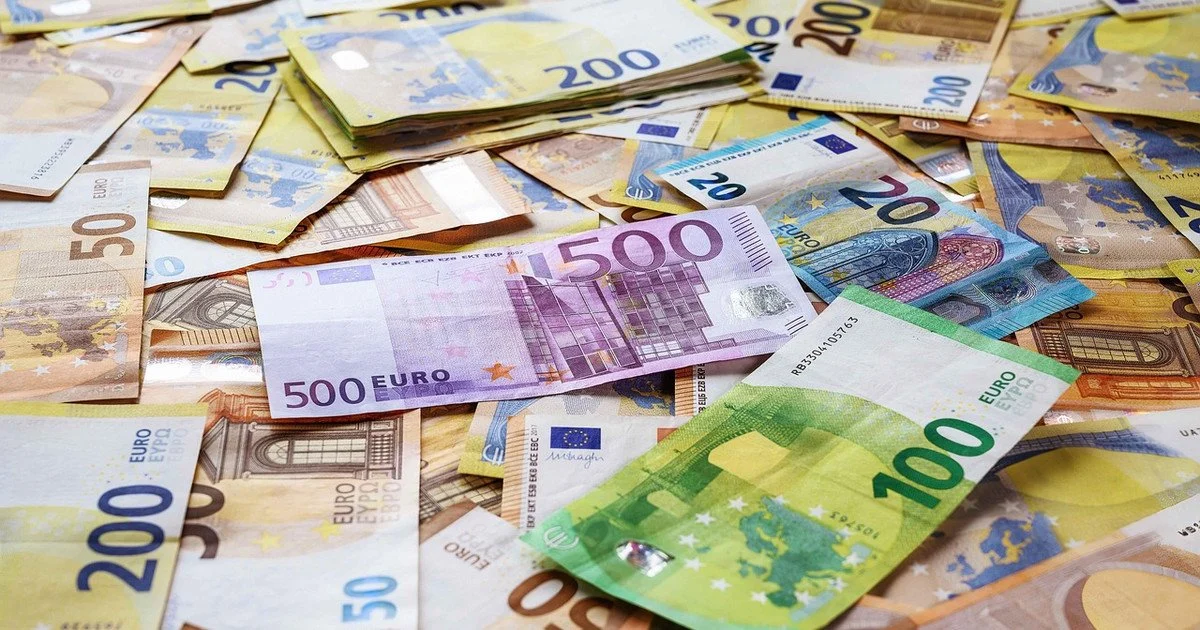
The European Central Bank has refused to provide a guarantee for a 140 billion euro ($162.53 billion) payment to Ukraine, undermining the EU’s plan for a reparations loan secured by frozen Russian assets, the Financial Times reported on Tuesday.
The ECB has concluded that the European Commission’s proposal violates its mandate, the newspaper reported, citing several officials.
This decision exacerbates Brussels’ difficulties in attracting a loan secured by the Russian central bank’s assets immobilized in Euroclear.
The European Commission’s proposed “reparations loan” to Ukraine from frozen Russian assets was supposed to be one of the main pillars to meet Ukraine’s financial needs in 2026-2027. However, Belgium, where the funds are kept, refuses to support this scheme and demands more guarantees from the EU in order not to be left as the sole defendant in the event of a lawsuit by Russia.
At the same time, the EU believes that Belgium seems to have ulterior motives in keeping the Russian money through tax revenues from it, as the country has not implemented a special tool for transparent accounting of these funds.
Why alternative options are needed
The European Council was scheduled to make a decision on a “reparations loan” for Ukraine on October 23. However, the issue was postponed because Belgium, where Russian funds are kept in the Euroclear depository, refused to support the loan. And it does not want to change its position yet.
Belgium is afraid that if the situation suddenly develops in such a way that Russia demands the funds to be returned, it will have to “take the fall” for the EU’s decision alone. It wants to share responsibility among all members of the association.
The next meeting of the European Council, where they want to raise the issue of the loan again, will be held on December 18. There are still hopes for a positive decision, but they are practically unreasonable and sound like political statements.
For example, Polish Prime Minister Donald Tusk said that the discussion on the loan should be completed as soon as possible. “The European Council will meet in December, and this should be the final deadline for making a decision: yes or no. And we should not play with emotions either, because Ukraine will not win this war or defend itself against Russia without financial support,” the Polish prime minister said.
Media sources in European structures also talk about the likelihood of a decision on December 18. Almost all EU members, with the exception of Hungary, the source said, recognize the importance of helping Ukraine, as it could affect the whole of Europe in the future.
At the same time, the EU is considering alternative options as a safety net. The head of the European Commission, Ursula von der Leyen, has already voiced two of them.
The first is to support Ukraine with grants and loans from individual EU members.
The second is to provide assistance through EU borrowing on the financial markets. That is, the EU can take out a loan specifically for Ukraine.