The European Union may stop recognizing some Russian passports
28 March 18:12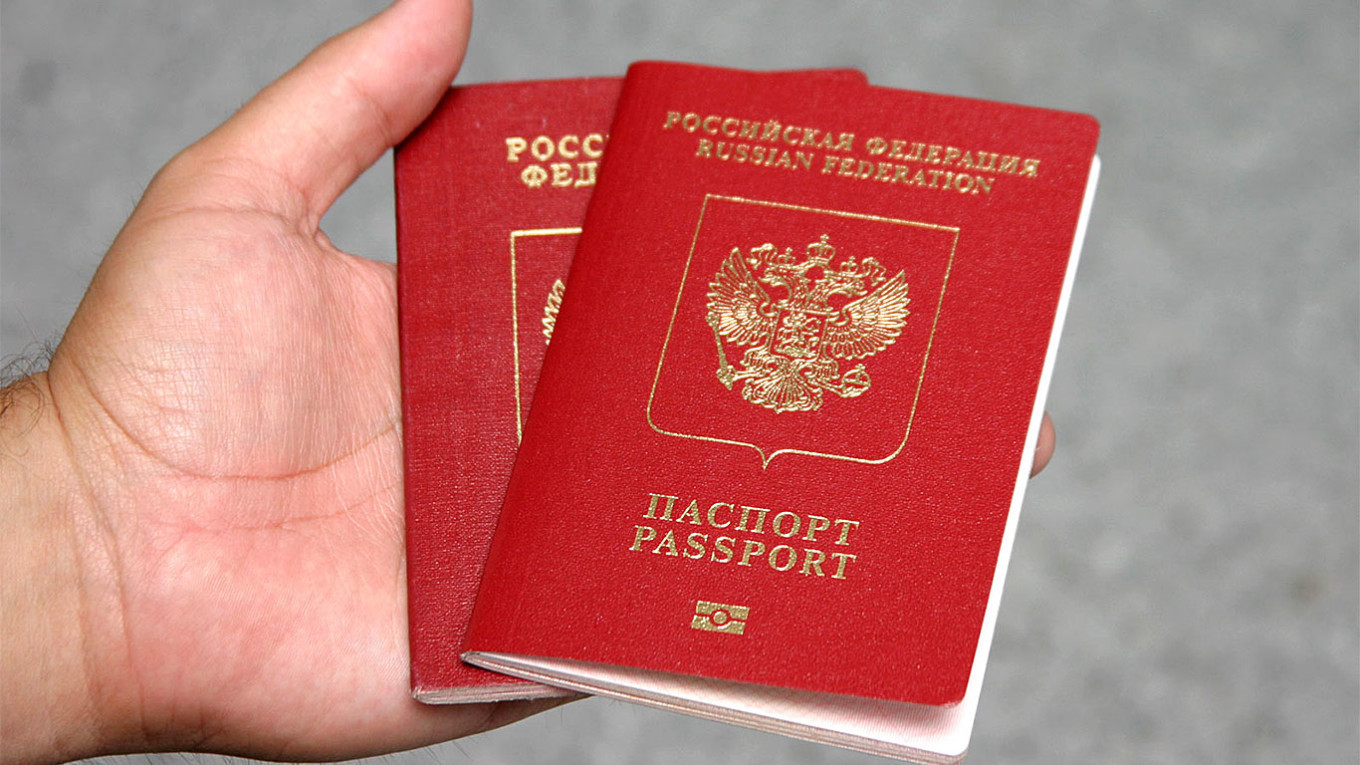
Germany has proposed a coordinated suspension of the recognition of non-biometric Russian passports at the EU level.
Euractiv reported this, citing three diplomats, according to "Komersant Ukrainian".
The proposal, aimed at strengthening border security and closing legal loopholes, has been supported by the Czech Republic, Finland, Poland, and Romania. The initiative will be discussed at the technical level among representatives of EU countries.
In recent years, several EU member states have already introduced individual restrictions on Russian non-biometric passports. Germany stopped accepting such documents as of January 1, 2026, with the sole exception for those holding a valid German visa. Finland will introduce similar measures starting in early summer 2026, the country’s Foreign Ministry reported. Exceptions will apply to Russians under the age of 18, holders of a Finnish residence permit, as well as in cases of “special grounds,” which are considered on a case-by-case basis. The Czech Republic stopped recognizing old foreign passports back in July 2024. Similar restrictions have also been introduced by Denmark, Estonia, France, Iceland, Lithuania, and Latvia.
Problems with non-biometric passports also arise during transit. In the summer of 2025, Russians with such documents began to be removed from trains at the Lithuanian border on routes to and from the Kaliningrad region. To travel, they also had to obtain a simplified travel document and fill out a form on the website of Lithuanian consular offices.
A biometric passport is a modern identity document with an electronic chip containing the holder’s photograph and fingerprints. It is valid for 10 years, whereas a non-biometric passport is valid for five years.