From January 1, Bulgaria introduces the euro: what will happen to the Bulgarian lion
29 December 2025 14:35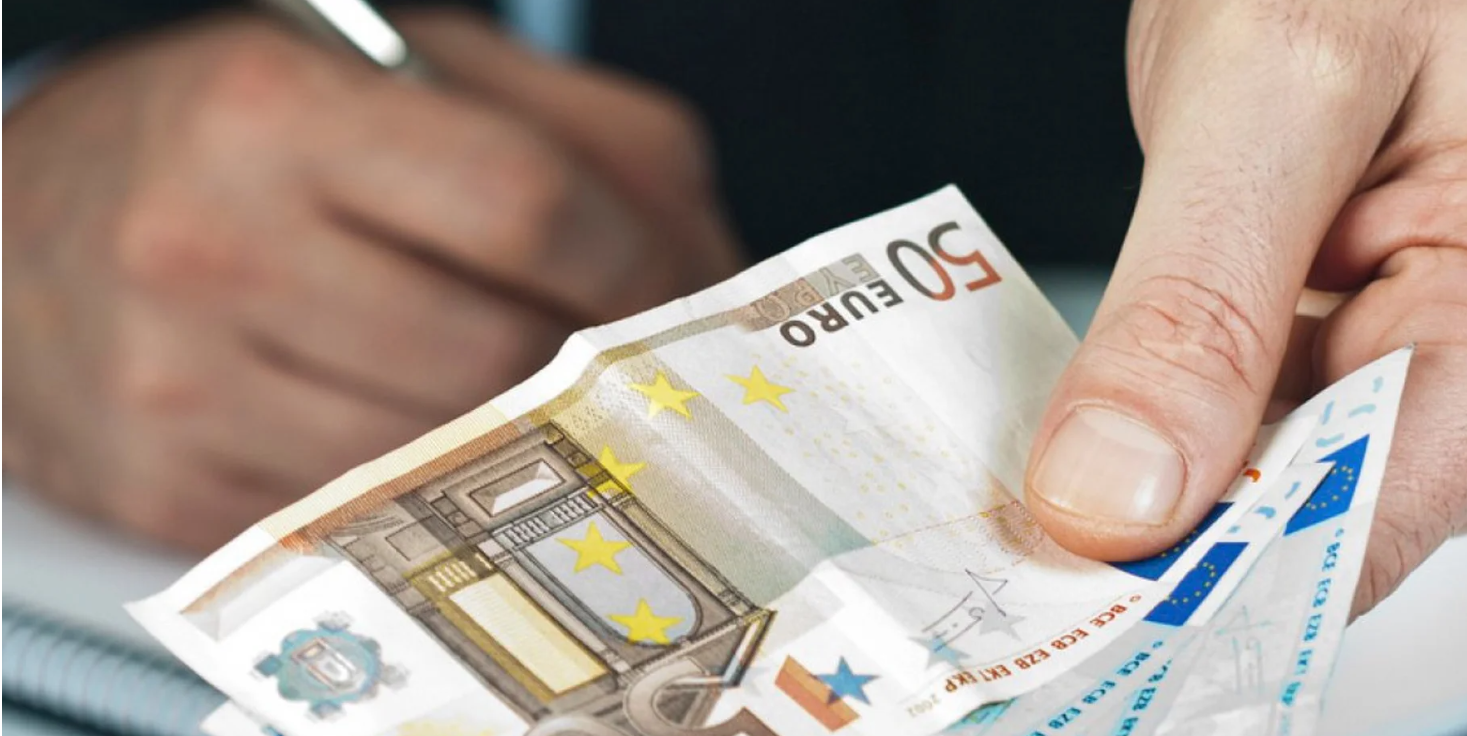
On January 1, 2026, Bulgaria officially joins the euro area and introduces the euro as its national currency. During the first month, the country will have a transitional period, during which the Bulgarian lev and the euro will be in circulation simultaneously. This was reported by Forbes Bulgaria, "Komersant Ukrainian" informs
Transition period: what will change from January 1
From January 1 to January 31, 2026, Bulgaria will have a dual currency regime. During this time, both the lev and the euro will be recognized as legal tender.
At the same time, non-cash payments will be fully switched to the euro from the first day of the new year. This applies to:
- payments by bank cards;
- transfers through bank accounts;
- transactions via POS terminals.
In addition, vending machines and self-service systems will accept euros exclusively from January 1, 2026.
The full transition to the new currency will take place on February 1, 2026 – from that moment on, the euro will become the only official currency of the country, and the Bulgarian lion will finally lose its status as a means of payment.
Rules for cash payments during the transition month
Retail outlets will have the right to determine whether to accept BGN and euros as part of a single purchase. However, clear rules have been established for cash payments:
Change must be given out in only one currency, preferably in euros. Change in leva is allowed only if there are no euros at the cash desk.
Coin restrictions: the seller may refuse to accept more than 50 coins in BGN during one transaction.
Refunds in case of a product complaint will be made in euros. If euros are not available, refunds are possible in leva.
Where you can exchange leva
The exchange of old currency for euros will be available for a long time. In particular:
- bulgarian National Bank will exchange leva for euros indefinitely.
- commercial banks and Bulgarian Post branches will exchange currency until the end of 2026.
As a reminder, Bulgaria became a member of the European Union on January 1, 2007, along with Romania, but for a long time it was not part of the eurozone. The Bulgarian lion remained the country’s national currency.
Only in June 2025, the European Commission and the European Central Bank officially confirmed that Bulgaria met all the necessary criteria for the transition to the euro.